







The New Final Frontier
For the longest time, sleep was treated as a passive activity—something you did after the important work of the day was done. In the high-octane world of fitness, it was often sacrificed for an early morning workout or a late-night gym session. That mindset
is now undergoing a radical transformation. Sleep is no longer just about rest; it's about active recovery. The fitness industry, from elite athletes to everyday enthusiasts, now recognises sleep as the third pillar of wellness, as critical as diet and exercise for achieving peak performance, building muscle, and maintaining mental clarity. A growing body of research shows that quality sleep is where the real magic of fitness happens—it’s when muscles repair, hormones that regulate growth and stress are balanced, and the body truly adapts to training.
Your Wrist Is Watching
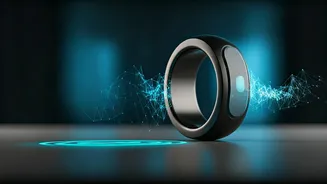
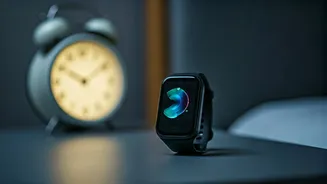
This newfound reverence for rest is being driven by a surge in technology. Smartwatches, rings, and other wearable devices have evolved from simple step counters into sophisticated health monitors. Brands like Apple, Garmin, and Oura now come equipped with advanced sensors that track your night, measuring metrics far beyond just how many hours you were in bed. Using a combination of heart rate monitoring, heart rate variability (HRV), motion sensors, and body temperature, these devices estimate your sleep stages—light, deep, and REM. In the morning, they present you with a neatly packaged “Sleep Score,” a single number designed to tell you how well you recovered overnight, turning the abstract concept of a “good night’s sleep” into a quantifiable goal.
The Rise of 'Sleep Fitness'
This data-driven approach has given birth to a new concept: “sleep fitness.” The goal is no longer just to get the recommended seven to nine hours of sleep but to improve the quality and efficiency of that sleep. Think of it like a training programme for your rest. Your sleep score can influence your workout recommendations for the day; a low score might prompt an app to suggest a lighter activity or a rest day, while a high score gives you the green light to train hard. This feedback loop is designed to create a virtuous cycle where better sleep leads to better performance, which in turn motivates healthier habits. In India, where there's a growing awareness of wellness alongside a rise in stress and sleep deprivation, this trend is finding fertile ground among a tech-savvy, health-conscious population.
A Double-Edged Sword
However, the intense focus on optimising sleep is not without its downsides. Experts are seeing a rise in a condition dubbed “orthosomnia”—an unhealthy obsession with achieving perfect sleep data. For some, a low sleep score can trigger anxiety, stress, and frustration, ironically making it harder to fall asleep the next night. This fixation can lead people to trust their device’s data more than their own body’s signals, spending excessive time in bed trying to game the algorithm rather than actually resting. It’s also crucial to remember that consumer sleep trackers are not medical devices. While they are getting better, their accuracy in distinguishing between sleep stages can be questionable when compared to clinical sleep studies. They are a guide, not a gospel.