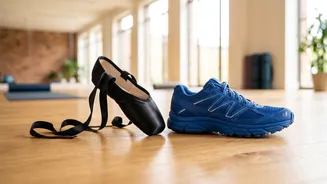


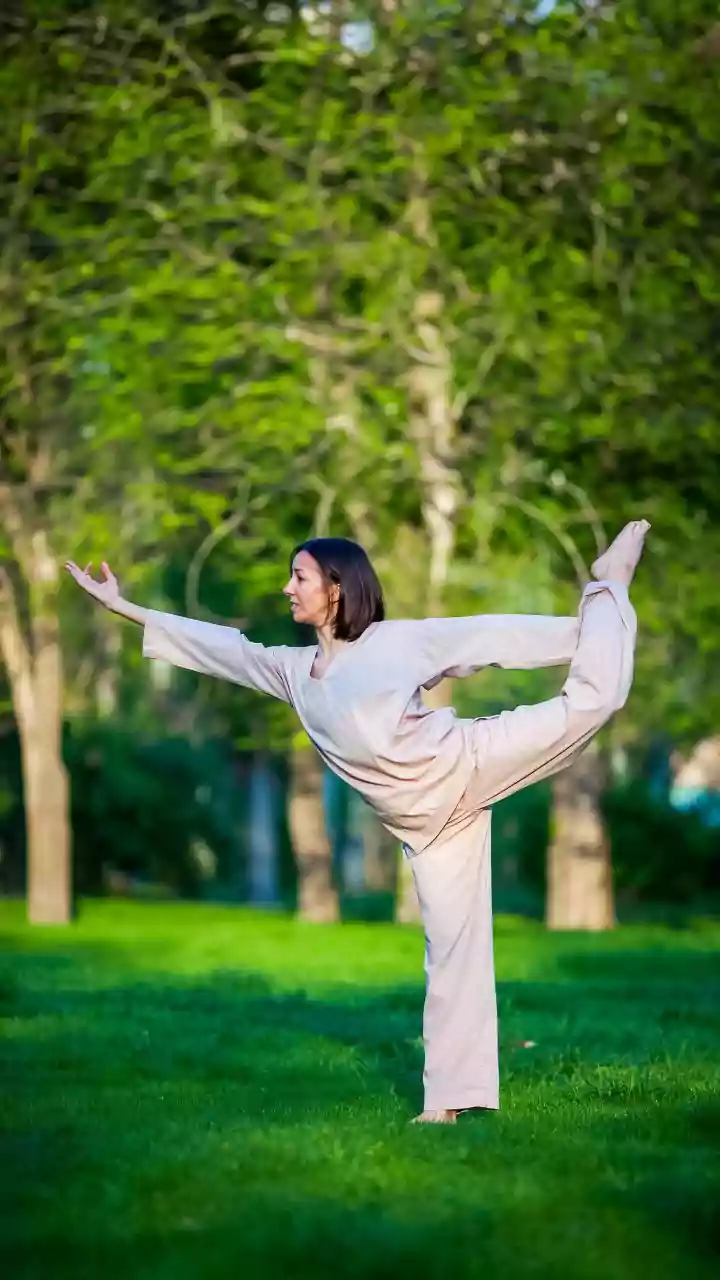




Choosing between joining a group dance class or hitting the pavement for a solo run? Both paths lead to better health, but they offer vastly different experiences for your body, mind, and social life. Here’s a look at how they stack up.
The Physical Workout: Full Body vs. Focused Power
From a purely physical
standpoint, dancing and running offer distinct advantages. Running is a master of cardiovascular endurance, efficiently strengthening your heart and lungs while primarily targeting the muscles in your lower body. It's a repetitive, forward-motion activity that builds power and stamina. Dance, on the other hand, is a full-body workout. It engages your legs, core, arms, and back, often with lateral and rotational movements that running doesn't incorporate. This variety helps develop balance, coordination, and flexibility alongside cardiovascular fitness. While running is a high-impact activity, many forms of dance are lower-impact, making them potentially gentler on the joints over time. Some research even indicates that 30 minutes of contemporary dance can burn more calories than 30 minutes of running.
Brain Boost: Choreography vs. The Runner's High
Both activities are fantastic for mental health, but they stimulate the brain in unique ways. Solo running can be a meditative practice. The repetitive rhythm allows many to clear their head, process thoughts, and achieve the famed 'runner's high' from the release of endorphins. It offers valuable time for self-reflection and mental clarity. Group dancing provides a different kind of cognitive challenge. Learning and memorizing choreography, coordinating with music, and reacting to an instructor's cues actively works your brain's plasticity, which is its ability to form new connections. This process has been shown to enhance memory, focus, and problem-solving skills. One study noted that dance is the only physical activity linked to a lower risk of dementia because it engages multiple cognitive functions at once.
The Social Component: Community vs. Solitude
Perhaps the most significant difference lies in the social environment. Group dance classes are inherently social. They provide a built-in community where you can build friendships, enhance communication skills, and develop a sense of teamwork. This shared experience can be a powerful motivator, providing accountability and reducing feelings of stress and isolation. In fact, studies have shown that people who exercise in a group report greater reductions in stress and bigger improvements in emotional quality of life compared to those who exercise alone. Solo running, by contrast, is an exercise in independence and solitude. It offers complete control over your schedule and pace, without any pressure to keep up with others. For those who use exercise as a way to decompress and recharge alone, the freedom of a solo run is its greatest appeal.
Injury Risks and Prevention
Both running and dancing carry risks of injury, often stemming from overuse and repetitive strain. Running, being a high-impact and repetitive activity, can lead to issues in the knees, shins, and feet. Proper footwear and gradual increases in mileage are key to prevention. Dancers, meanwhile, are prone to injuries from extreme ranges of motion and repetitive movements, with ankle sprains being particularly common. However, dance training from a young age may help improve muscle control and reduce the risk of certain injuries like ACL tears compared to other athletes. For both activities, cross-training, proper warm-ups, adequate rest, and listening to your body are crucial for preventing injuries.
Accessibility and Getting Started
When it comes to accessibility, solo running has a low barrier to entry. All you really need is a decent pair of shoes and a safe place to run, making it a flexible and budget-friendly option. You can do it almost anywhere, anytime, without being tied to a class schedule. Group dance classes typically involve a membership or class fees and are fixed to a specific time and location. However, they also remove the guesswork from your workout. An instructor guides you through a structured session, which can be ideal for beginners who are unsure where to start or those who thrive on expert guidance and a predictable routine.