






More Than Just Grams
For anyone focused on fitness, protein is the undisputed king of macronutrients, essential for muscle repair, recovery, and growth. Traditionally, the conversation has been about quantity—hitting a specific number of grams per day. However, as more people
adopt plant-centric diets, the focus is shifting to protein quality. The critical factor isn't just how much protein a food contains, but how much of that protein your body can actually digest, absorb, and put to use. This is where protein digestibility comes in. Most plant proteins have different amino acid structures and can be harder for the body to break down compared to their animal-based counterparts. This doesn't mean they are inferior, but it does mean we need a smarter way to measure their true impact.
The Old Score: Understanding PDCAAS
For decades, the gold standard for measuring protein quality has been the Protein Digestibility-Corrected Amino Acid Score (PDCAAS). Established in 1989, this method evaluates a protein based on two key factors: its essential amino acid content and its digestibility in the human body. The score compares the protein's amino acid profile to a reference standard (based on the needs of a toddler) and then adjusts for digestibility, which was historically measured by analysing fecal matter. A score of 1.0 is considered perfect, indicating the protein provides 100% of the essential amino acids required. Animal proteins like whey and casein, as well as soy protein, typically score a 1.0. However, the PDCAAS method has limitations. A key criticism is that its digestibility measurement doesn't account for the impact of gut bacteria in the large intestine, which can skew the results. Furthermore, scores are truncated at 1.0, meaning proteins that are exceptionally high in quality aren't recognized as such.
The New Standard: Why DIAAS Is a Game-Changer
In response to the shortcomings of PDCAAS, the Food and Agriculture Organization (FAO) introduced a new, more accurate method in 2013: the Digestible Indispensable Amino Acid Score (DIAAS). The DIAAS method is considered more reliable for a few important reasons. First, it measures amino acid digestibility at the end of the small intestine (the ileum), which is where amino acids are actually absorbed. This provides a truer picture of bioavailability before gut bacteria can interfere. Second, it assesses the digestibility of each individual essential amino acid, rather than relying on a single value for the whole protein. Finally, DIAAS scores are not capped at 1.0, allowing for a better differentiation between good and excellent protein sources. This more nuanced approach gives a clearer understanding of how different proteins truly function in the body.
How Plant Proteins Really Stack Up
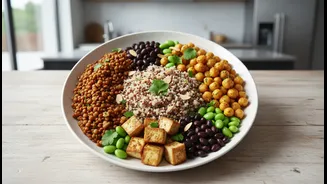
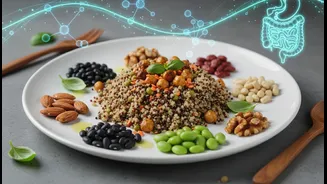
So, what does this mean for your favourite plant-based foods? Generally, plant proteins tend to score slightly lower on the DIAAS scale than animal proteins because they may be limited in one or more essential amino acids. For example, legumes like beans and lentils are often low in the amino acid methionine, while grains like rice are low in lysine. However, this is far from a deal-breaker. High-quality plant proteins like soy, quinoa, and pea protein perform very well. Soy protein isolate, for instance, is considered a complete protein and scores highly on both scales. Other powerful sources for athletes include tofu, tempeh, hemp seeds, and nutritional yeast, which all contain all nine essential amino acids.
Maximising Your Gains on a Plant-Based Diet
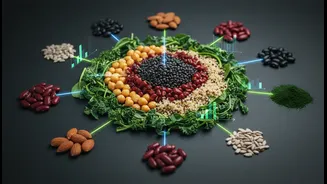
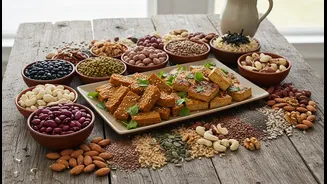
For active adults, the key to succeeding with plant-based protein isn't about finding one perfect source, but about embracing variety. The concept of 'protein combining' is a powerful strategy. By pairing foods with complementary amino acid profiles, you can easily create a complete protein meal. Classic examples include rice and beans, hummus with pita bread, or peanut butter on whole-wheat toast. The good news is that you don't even need to eat these foods in the same meal. As long as you consume a varied diet of grains, legumes, nuts, and seeds throughout the day, your body can pool the amino acids to get what it needs for muscle synthesis and repair. For those with particularly high protein needs, such as older active adults or competitive athletes, incorporating a high-quality plant-based protein powder made from a blend of sources like pea and rice can be an effective way to ensure you're meeting your targets.