

The Context: A Shock Defeat
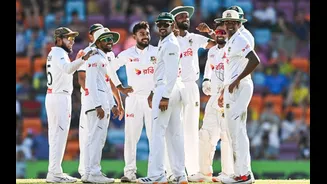
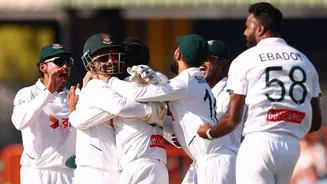
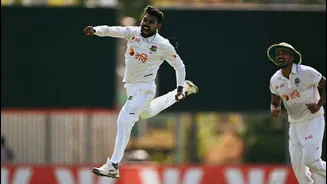
For the first time ever, Australia has lost a Test match to Bangladesh on home soil. Described in local media as one of the country's biggest Test humiliations, the loss inside four days at Darwin has put the team's top order and resilience under the microscope.
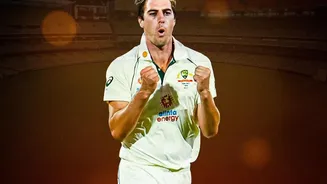
While Pat Cummins has been a hugely successful captain, leading the side to a World Test Championship and Ashes glory, this defeat serves as a stark reminder that no era of dominance lasts forever. It forces a crucial question: With a demanding schedule ahead and the inevitable passage of time, who is ready to step up and inherit the legacy built by Cummins and his predecessors? The search for the next guardian of Australia's Test captaincy has suddenly become more urgent.
The Safe Hands: Steve Smith
The most immediate and obvious answer is the man who has already done the job. Steve Smith, the current vice-captain, has repeatedly stepped in to lead the side whenever Cummins has been unavailable. His tactical acumen has never been in doubt, and his batting average as captain is a staggering 68.98. Since returning to a leadership role after the 2018 ball-tampering controversy, he has been described as a more relaxed and mature captain. While he is part of the same generation as Cummins, he remains the most experienced and reliable alternative, a steady hand capable of steering the ship through any immediate turbulence. He represents stability and a proven track record, making him the default choice in any short-term scenario.
The Future King: Cameron Green
If Smith is the present, all signs point to Cameron Green as the long-term future. The young Western Australian is widely considered the most talented cricketer of his generation, a genuine all-rounder in whom Cricket Australia has invested heavily. His performance in the humbling loss to Bangladesh was a silver lining; he stood tall amidst the collapse to score a valiant, unbeaten 104. That century, scored under immense pressure, was a testament to a temperament built for the highest level. At just 27, Green has time on his side and possesses the cool, calm demeanour often associated with great leaders. He is already a fixture in all three formats and seems destined to eventually take the reins, embodying the transition to a new generation.
The Vice-Captain: Travis Head
As a current Test vice-captain alongside Smith, Travis Head is firmly in the leadership frame. The South Australian brings an aggressive, counter-punching style that reflects the modern Australian approach. He has grown into a vital cog in the middle order and has significant captaincy experience from his time leading his state side. Head is respected within the group and offers a different leadership style to the more methodical Cummins or Smith. He is a passionate and front-foot player who leads by example. While perhaps not seen as the same long-term project as Green, he is a decorated and established senior player who could certainly step into the role and command the respect of the dressing room.
The Dark Horse: Marnus Labuschagne
Not long ago, Marnus Labuschagne might have been near the top of this list. An endlessly energetic and inventive player, he has experience leading Queensland at the domestic level. However, his recent form has become a point of concern. After making just 32 runs across two innings in the Darwin Test, coach Andrew McDonald has publicly stated the No. 3 needs “big runs” to shore up his place. While his talent is undeniable, a dip in form makes a promotion to captain unlikely in the immediate future. Labuschagne remains a potential leader, but he first needs to rediscover the run-scoring consistency that made him one of the world's best batsmen before he can be seriously considered for the top job.