


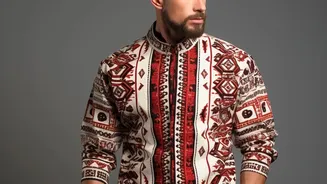

The undercut is more than a hairstyle; it's a statement. Defined by its signature short back and sides with a longer top, this versatile cut has proven its staying power. It adapts beautifully to different hair types, offering a unique look for everyone.
What Exactly Is an Undercut?
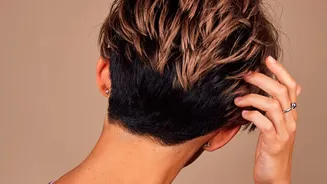
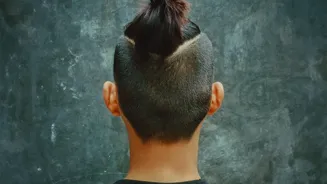
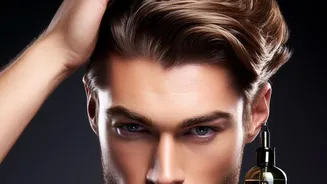
At its core, an undercut is a hairstyle where the hair on the top of the head is kept significantly longer than the hair on the sides and back. This creates a sharp, often disconnected contrast. Unlike a fade, which gradually blends lengths, the undercut makes a clear distinction. This core feature allows for immense creativity, as the longer top section can be styled in countless ways—slicked back, worn as a fringe, or shaped into a pompadour—while the short sides provide a clean, sharp foundation. It’s this blend of boldness and adaptability that keeps it a go-to choice.
For Straight Hair: Sharp and Polished
Straight hair is an ideal canvas for the undercut, as it highlights the clean lines and sharp contrast the style is known for. The smooth texture allows for sleek, polished looks like a classic slick-back or a neat side part. To achieve a slick-back, a pomade or gel will provide shine and hold when applied to damp hair. For a more modern, textured look, a matte wax or clay can be worked through dry hair to create definition and volume. A potential challenge for straight hair is a lack of volume, causing the top to lie flat. To counter this, blow-drying the hair upwards or using a root-boosting powder can add the necessary lift.
For Thick Hair: Debulk and Define
For those with thick hair, an undercut is often a game-changer. The primary benefit is its ability to remove significant bulk and weight from the sides and back, making the hair far more manageable. This debulking effect not only makes styling easier but also provides a cooler, lighter feel, especially in warm weather. With the excess volume managed, the longer hair on top can be shaped more easily into styles like a voluminous pompadour or a textured quiff. Stylists often recommend the undercut for thick hair because it helps create a cleaner, less 'poofy' silhouette without resorting to thinning shears, which can sometimes cause frizz.
For Wavy Hair: Texture and Movement
Wavy hair brings natural movement and texture to an undercut, creating a dynamic contrast between the structured sides and the free-flowing top. This hair type softens the otherwise sharp lines of the cut, resulting in a look that feels both intentional and effortlessly relaxed. You can enhance your natural waves by working a sea salt spray or light styling cream through damp hair for a beachy, textured appearance. For a more defined look, a flexible gel can be used to shape the waves without making them stiff. An undercut with a wavy top can be styled forward as a fringe or swept to the side, showcasing the hair's natural pattern.
Keeping Your Undercut Sharp
While daily styling can be relatively quick, maintaining the sharp contrast of an undercut requires regular upkeep. Because the sides are so short, regrowth is noticeable fairly quickly. Most barbers and stylists recommend a trim every two to four weeks to keep the lines clean and prevent the style from growing out disproportionately. At home, your focus should be on styling the top section. Having the right products is key. Pomades offer shine, waxes provide a natural finish with texture, and gels give a strong hold for sleeker looks. Don't be afraid to experiment to find what works best for your hair and desired style.