




From Niche Concern to Mainstream Craving
Not long ago, protein was a word reserved for gym enthusiasts and athletes. Today, it’s a mainstream priority. A recent survey found that a staggering 86% of Indian consumers consider protein an important factor when choosing a snack. This isn't just
talk; nearly a third are willing to pay a premium for protein-fortified products. This shift reflects a deeper change in the Indian mindset. Health and wellness are no longer afterthoughts but active considerations in daily life. Driven by rising disposable incomes, urbanisation, and a flood of health information online, consumers are making more intentional food choices. They are actively seeking snacks that do more than just satisfy a craving; they want functional foods that contribute to their overall well-being.
What's Driving the Protein Push?
Several factors are fueling this nationwide protein pivot. The fitness culture has officially gone mainstream, moving beyond niche gyms and into the everyday routines of millennials and Gen Z. Social media plays a huge role, with influencers normalising protein tracking and sharing "what I eat in a day" videos that consistently highlight their protein intake. Furthermore, busy urban lifestyles demand convenient nutrition. For a desk worker fighting an afternoon slump or a student with a hectic schedule, a protein bar is an easy way to stay energised and full without derailing health goals. The conversation has moved beyond just muscle building to overall wellness, including weight management and sustained energy, making protein relevant to a much broader audience.
Beyond Bars: The New Look of Indian Snacks
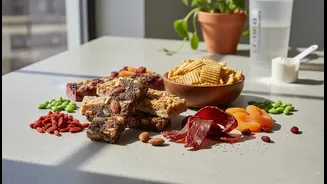
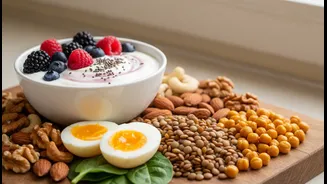
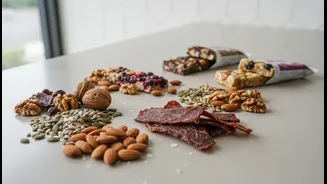
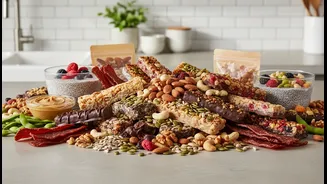
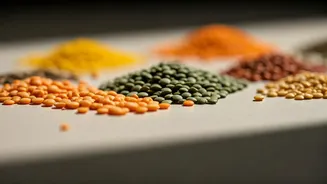
When you think of protein snacks, don't just picture chalky bars and shakes. The innovation in the Indian market is where the trend gets truly interesting. Brands are cleverly infusing protein into familiar and beloved formats. Think protein-rich chips made from lentils and chickpeas, which offer a satisfying crunch without the guilt. Even traditional favourites are getting a healthy makeover, with options like roasted makhana (fox nuts), moong dal chillas, warm sprout salads, and chikkis being celebrated for their natural protein content. The market is diversifying rapidly, with everything from high-protein cookies and baked ragi chips to multigrain energy bars and fortified breakfast cereals finding space in the modern Indian pantry. Plant-based protein sources like peas and soy are particularly dominant, catering to India's large vegetarian population.
Transparency, Taste, and the Road Ahead
As consumers get smarter, their expectations are rising. The new Indian snacker is not easily swayed by flashy packaging or celebrity endorsements. A recent study revealed that 62% of consumers consider ingredient transparency the most important factor when choosing a snack brand. There's a growing demand for "clean labels"—products with natural ingredients and no hidden sugars or artificial additives. Consumers increasingly prefer snacks sweetened with natural alternatives like dates or jaggery over refined sugar. While the appetite for healthy snacks is growing at a remarkable pace—faster than the global average—challenges remain. Brands must continually innovate to deliver on taste, as the Indian palate is not willing to compromise on flavour. The future will likely belong to companies that can successfully blend nutrition, taste, and honesty, offering products that are both genuinely healthy and delicious.