




NASA's Plan for a Lunar Suburb
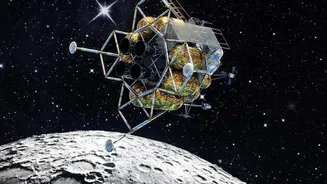
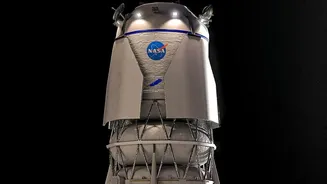
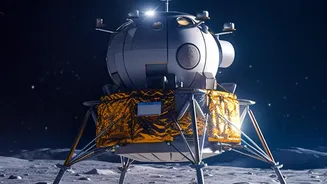
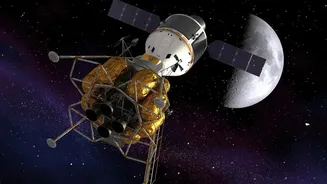
Forget planting a flag and leaving. NASA's Artemis program is about establishing a long-term human presence on the Moon, specifically near the resource-rich South Pole. The plan, known as the Artemis Base Camp, is ambitious. It envisions a permanent outpost
that includes a foundational surface habitat for four astronauts, a high-tech mobile home for long-range treks, and an unpressurized lunar vehicle for local transport. The goal is to create a hub for science and technology development that will allow crews to stay for up to two months at a time, eventually serving as a stepping stone for missions to Mars. But building a sustainable habitat 238,000 miles from Earth is a monumental challenge. It requires breakthroughs in power generation for the harsh lunar night, radiation shielding, extracting local resources like water ice, and managing the abrasive lunar dust. This is where international collaboration becomes not just helpful, but essential.
ISRO’s Rise as a Frugal Powerhouse
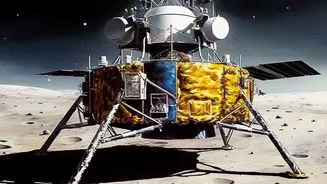
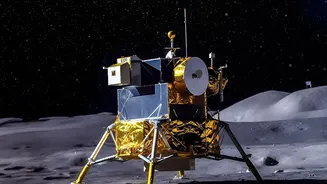
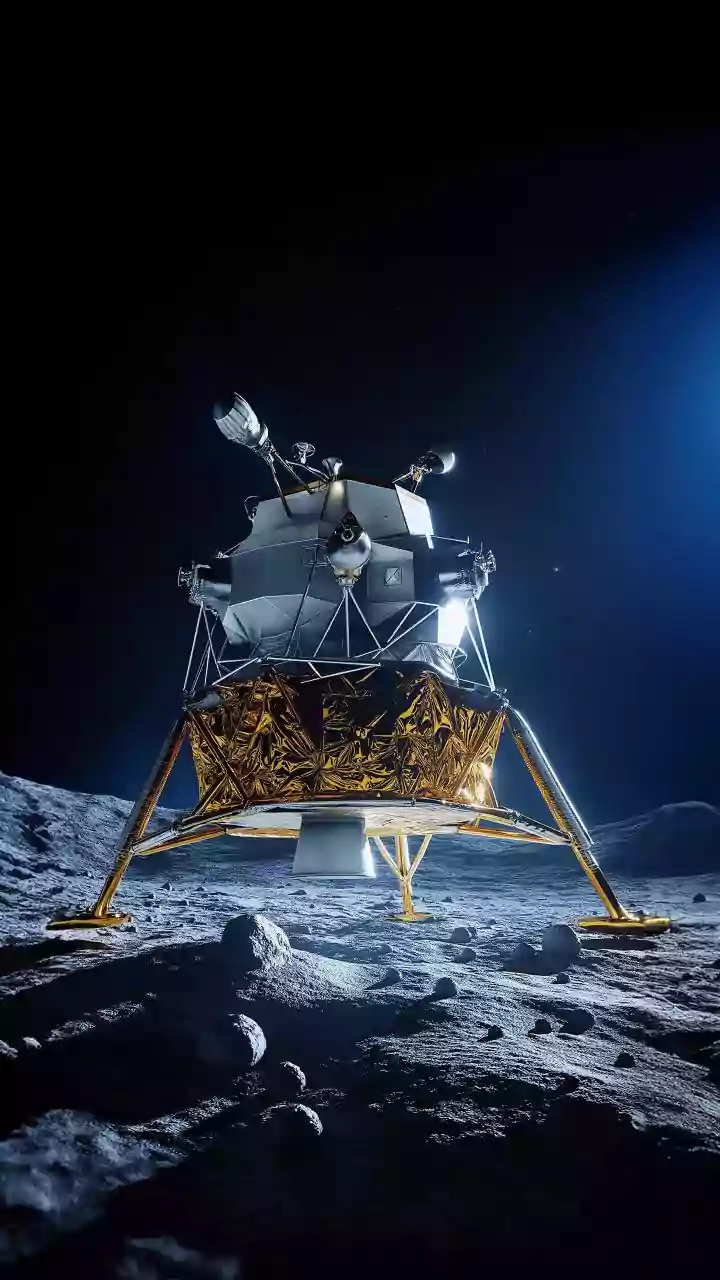
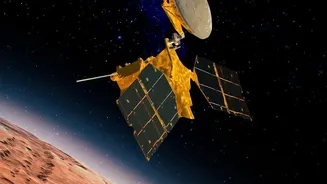
The Indian Space Research Organisation has earned a global reputation for its philosophy of “frugal innovation.” It consistently executes complex deep-space missions at a fraction of the cost of other major space agencies. The successful Chandrayaan-3 mission in 2023, which made India the first nation to soft-land a craft near the lunar south pole, cost roughly $75 million—a testament to its model of cost-effective engineering and rapid execution. This is not an isolated success. ISRO has a proven track record, from its Mars Orbiter Mission to developing its own satellite navigation systems and human spaceflight capabilities with the Gaganyaan programme. By signing the Artemis Accords in 2023, India signaled a strategic shift from independent exploration to collaborative engagement, positioning itself to be a key player in the next chapter of space exploration. This move ensures its technology is compatible with global standards and opens the door for exactly these kinds of high-level partnerships.
The Key Technology Opportunities
NASA's invitation for ISRO to participate in the moon base program, extended during the India-US Civil Space Joint Working Group meeting, is rooted in clear technological synergies. Given ISRO's expertise, several key areas stand out. First is robotics and rovers; India's experience with the Chandrayaan program's rovers is directly applicable to the vehicles needed for transport and exploration around the Artemis Base Camp. Second, ISRO’s strength in developing remote sensing and imaging satellites, exemplified by the joint NASA-ISRO NISAR mission, could be vital for lunar resource mapping and environmental monitoring. Third, ISRO is developing expertise in critical systems for its Gaganyaan human spaceflight program, including life support and crew modules, which could be adapted for lunar habitats. Other promising areas include AI and software development for autonomous systems, which are crucial for operating a remote base with minimal human oversight, and the development of cost-effective satellite and communication systems to link the Moon back to Earth.
A Partnership Beyond Hardware
This potential collaboration is about more than just building components. For NASA, partnering with ISRO offers access to a proven innovation model that could help make the monumental cost of a permanent lunar presence more manageable. It diversifies the technological and industrial base supporting the Artemis program, reducing reliance on a single set of contractors and supply chains. For India, it provides an unparalleled opportunity to accelerate its own space ambitions, including its goal of landing an astronaut on the Moon by 2040. Working on the Artemis Base Camp would give Indian scientists and engineers hands-on experience with next-generation deep-space technologies and mission protocols. It solidifies India's position not just as a service provider launching satellites for other nations, but as a core partner in humanity’s most ambitious exploration projects, shaping the rules and norms for the peaceful use of space.