




The End of the Visa Sticker
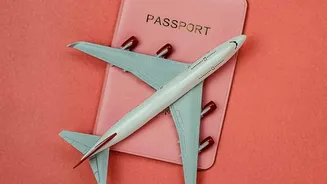
The United Kingdom has officially phased out the traditional visa vignette—the sticker placed in your passport—for all travellers, including those from India. This move is part of a broader strategy to create a fully digital immigration system by 2025.
Instead of a physical document, your permission to enter the UK is now a secure digital record called an eVisa. This eVisa is linked electronically to your passport and stored in the UK Visas and Immigration (UKVI) online system. The change affects everyone applying for a UK visa, from tourists and students to business travellers, fundamentally altering the final step of the application process.
eVisa vs. ETA: A Crucial Distinction
It is essential for Indian travellers to understand the difference between the new eVisa and the UK's Electronic Travel Authorisation (ETA). The ETA is a pre-travel clearance for nationals of countries who do not need a visa for short stays, such as citizens of the US, Canada, and EU countries. Indian passport holders are not eligible for the ETA scheme and must still apply for a standard UK visa. The “full eVisa shift” for Indians means that the visa you apply for is now issued digitally, not that you can use the simpler ETA system. In short, the application process remains, but the outcome is a digital record instead of a physical sticker.
Your New Pre-Flight Digital Checklist
With the move to eVisas, pre-flight readiness takes on a new digital dimension. After your visa is approved, you will not receive a sticker. Instead, you must create a UKVI account online to view and manage your eVisa. Before heading to the airport, it is critical to log into your account and verify that all details on your eVisa—your name, date of birth, and passport number—are 100% correct. Airlines will check your immigration status digitally before allowing you to board, and any mismatch between your passport and your eVisa record can lead to being denied travel. You must travel with the same passport that is linked to your eVisa.
How the Application Process Has Changed
While the core requirement to apply for a visa hasn't changed, the logistics have been streamlined. You still need to fill out the application form online at the GOV.UK website and attend a biometric appointment at a Visa Application Centre (VAC) like VFS Global. However, a significant advantage of the new system is that you are no longer required to submit your passport during the processing period. Because the final visa is digital, the VAC only needs to collect your biometrics (fingerprints and photograph). You can keep your passport with you, which is a major convenience for those who may need to travel elsewhere while their UK visa application is pending.
Benefits and What to Watch Out For
The new eVisa system offers clear benefits. A digital visa cannot be lost, stolen, or tampered with in the same way a physical document can. It provides an easily accessible, secure record of your immigration status that can be checked anytime through your UKVI account. However, the responsibility shifts to the traveller to ensure their digital house is in order. Always use the official GOV.UK website for your application and to create your UKVI account. Double-check that your passport is not close to expiring when you apply, as your eVisa is linked to that specific document. If you get a new passport, you must update your details in your UKVI account before you travel again.