



The Mediterranean Salad Deconstructed
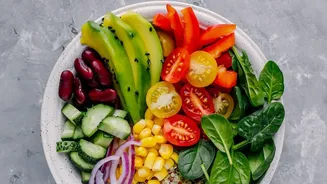
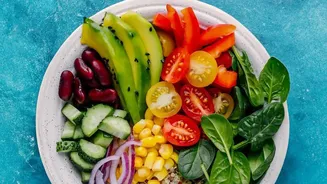
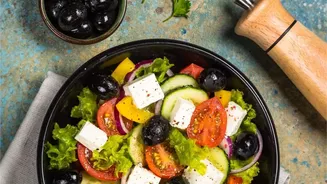
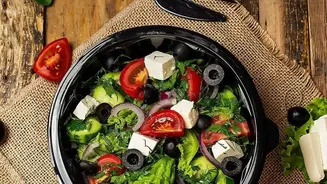
At its heart, a Mediterranean-style salad is a celebration of simple, nutrient-dense ingredients. Think of a vibrant mix of fresh vegetables like juicy tomatoes, crisp cucumbers, and sharp red onions. These form the foundation, offering vitamins and hydration.
Key flavour accents come from briny Kalamata olives and creamy feta cheese, which provide healthy fats and a satisfying saltiness. Most traditional recipes are built on a base of crunchy romaine lettuce or other greens like arugula. The salad is often made more substantial with the addition of plant-based proteins such as chickpeas or white beans, and sometimes a grain like quinoa or couscous. What ties it all together is a light, bright dressing, typically a vinaigrette made from extra-virgin olive oil, lemon juice or red wine vinegar, and herbs like oregano.
The Power of the Bowl
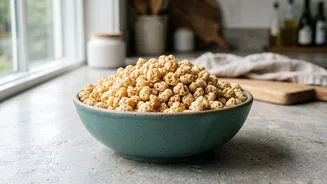
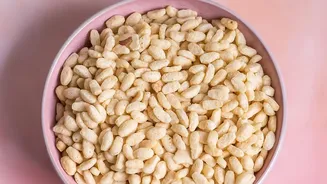
Choosing a bowl over a plate is more than a stylistic choice; it's a subtle but powerful tool for portion control. Psychologically, a meal in a bowl often appears more substantial and filling than the same amount of food spread out on a large plate. Research has shown that larger plates can unconsciously encourage us to serve ourselves more food. The contained shape of a bowl, with its defined depth and rim, provides a natural visual cue for an appropriate portion size, helping to prevent overeating. This makes it easier to manage calorie intake without feeling deprived. Furthermore, bowls encourage layering ingredients, which can promote more mindful eating by slowing you down and allowing your brain time to register fullness.
Building the Perfect Portion-Friendly Bowl
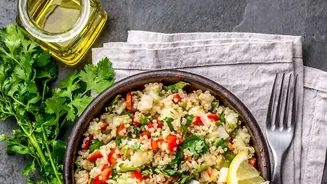
Creating a balanced and satisfying Mediterranean salad bowl is an easy, formulaic process. Start by filling the bottom with a generous handful of greens, such as chopped romaine or spinach. Next, add your colourful vegetables—think diced cucumber, halved cherry tomatoes, and thinly sliced red onion. For protein and fibre, add a scoop of chickpeas or grilled chicken. This is also where you can incorporate a small portion of a healthy grain like quinoa for sustained energy. Sprinkle on your flavour-packed extras: about a quarter cup of crumbled feta and a tablespoon of Kalamata olives bring that signature taste without overwhelming the dish. Finally, drizzle with one to two tablespoons of a simple lemon-and-olive-oil dressing. By layering these components, you create a complete meal in one convenient, portion-controlled package.
Smart Swaps and Meal Prep
The beauty of the Mediterranean bowl lies in its versatility. You can easily customize it based on what you have on hand. No romaine? Arugula or baby kale work well. Swap chickpeas for white beans or lentils. Add other vegetables like chopped bell peppers or marinated artichoke hearts for extra flavour and nutrients. These bowls are also ideal for meal prepping. You can prepare several days' worth of lunches by layering the ingredients in airtight containers. The key to avoiding a soggy salad is to put the wettest ingredients, like the dressing and tomatoes, at the bottom, followed by grains, proteins, and harder vegetables, with the delicate leafy greens packed at the very top. Keep the dressing separate until you're ready to eat to ensure everything stays crisp and fresh.