





Trip Cancellation and Interruption Cover
This is the cornerstone of any good travel policy, but it's especially critical during the monsoon. Look for policies that explicitly cover cancellations due to severe weather. If your flight is cancelled or your pre-booked hotel becomes inaccessible
due to flooding or a landslide, this coverage should reimburse you for non-refundable expenses. However, you must read the fine print. Some policies only trigger if a common carrier, like an airline, officially cancels service. This means if your flight operates but the road to the airport is flooded, you might not be covered. Ensure your policy covers disruptions caused by natural disasters, which is a common feature but worth confirming.
Flight Delays and Missed Connections
Monsoon weather makes flight delays a frequent headache. A robust policy will compensate you for essentials like meals and accommodation if your flight is delayed beyond a specified period, often six hours or more. This is a common occurrence at major hubs during heavy downpours. Furthermore, if a delay on your initial flight causes you to miss a connecting one, your insurance should cover the cost of rebooking, along with any necessary hotel stays or transportation to get you back on track. Check the policy for the specified delay duration before benefits kick in.
Medical Emergency and Evacuation
Health risks increase during the rainy season, from slips and falls on slick terrain to a higher incidence of water-borne and mosquito-borne diseases like dengue and malaria. Your regular health insurance may have limited coverage outside your home city. A travel policy must include strong hospitalisation cover. Even more crucial, especially for trips to hilly or remote areas, is emergency medical evacuation. This covers the high cost of transporting you to a suitable medical facility, which could involve a helicopter rescue in regions affected by landslides. Without this, evacuation expenses can be astronomical.
Adventure Sports Add-On
Many monsoon getaways involve activities like trekking, white-water rafting, or zip-lining. It's a common mistake to assume these are covered. Standard travel insurance policies almost always exclude activities they deem as 'adventure sports' or 'hazardous activities'. If your itinerary includes anything beyond simple sightseeing, you must get an adventure sports add-on or rider. This specifically extends your medical coverage to injuries sustained during these activities. Without this explicit add-on, you could be personally liable for the full cost of treatment and evacuation if an accident occurs.
Road Travel and Inaccessibility Cover
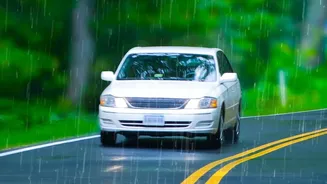
For those planning road trips, especially in the Himalayas or the Western Ghats, landslides are a major concern. Some of the best policies offer specific coverage for scenarios where your route is blocked. This isn't just about trip cancellation; it could cover the cost of alternative transportation or accommodation if you are stranded. While less common than flight delay cover, this benefit can be invaluable for travellers who are driving or relying on road transport to reach their destination. It’s important to check if the policy addresses inaccessibility beyond just carrier-related cancellations.
Baggage and Electronics Protection
Rain is not a friend to electronics, and chaotic travel conditions can increase the risk of lost or delayed baggage. Check your policy's coverage for baggage loss or delay. Most have per-item limits and may exclude high-value electronics from checked-in luggage. If you're carrying expensive camera gear, a laptop, or other gadgets, see if the policy offers adequate protection or if a separate gadget insurance add-on makes more sense. Water damage is a specific risk, so review the policy to understand how it handles weather-related damage to your belongings.