



A Return to Authenticity and Roots
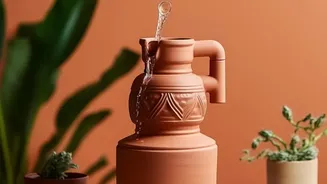
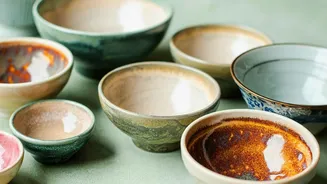
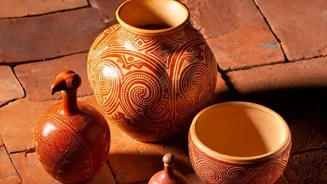
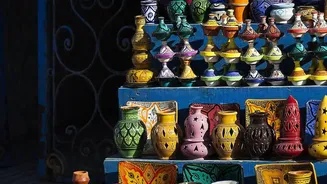
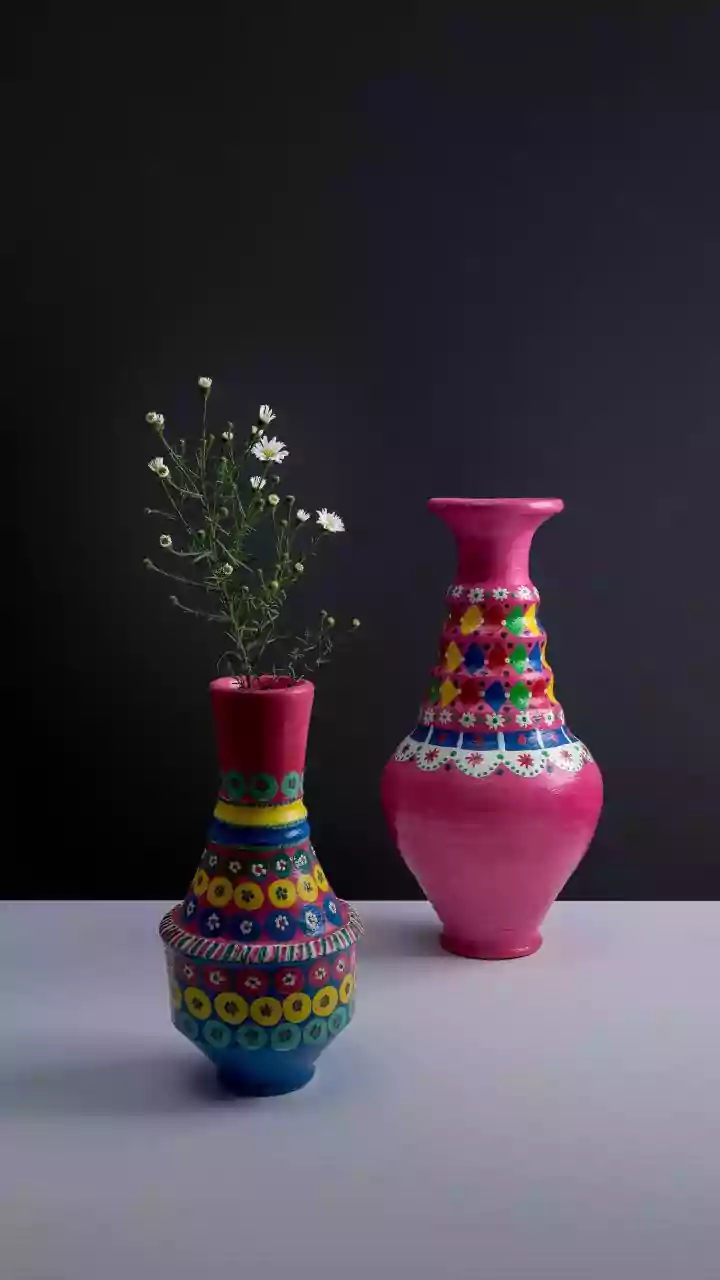
In an age of mass production, there is a growing desire for objects with a story. Handcrafted clay and terracotta pieces connect homeowners to a rich, tangible heritage dating back to the Indus Valley Civilization. Each handmade pot, vase, or decorative
piece carries the subtle imperfections of the artisan's touch, offering a sense of warmth and individuality that factory-made items cannot replicate. This shift is part of a larger trend where consumers are choosing decor that feels personal and meaningful, seeking an authentic connection to culture and craftsmanship in their daily lives. The earthy, organic texture of clay provides a calming, grounded aesthetic that many people are craving in today's fast-paced digital world.
The Eco-Conscious Choice
As environmental awareness grows, so does the demand for sustainable home decor. Clay is a natural, biodegradable material, making it an excellent alternative to plastic and other synthetic products. When a terracotta item reaches the end of its life, it can return to the soil without causing harm. This aligns perfectly with the values of a new generation of Indian consumers who are making more mindful purchasing decisions. The process of creating clay crafts often uses fewer resources and energy compared to industrial manufacturing, further boosting its eco-friendly credentials. Terracotta's natural porosity also helps regulate humidity, contributing to a healthier indoor environment.
Modern Design Meets Traditional Skill
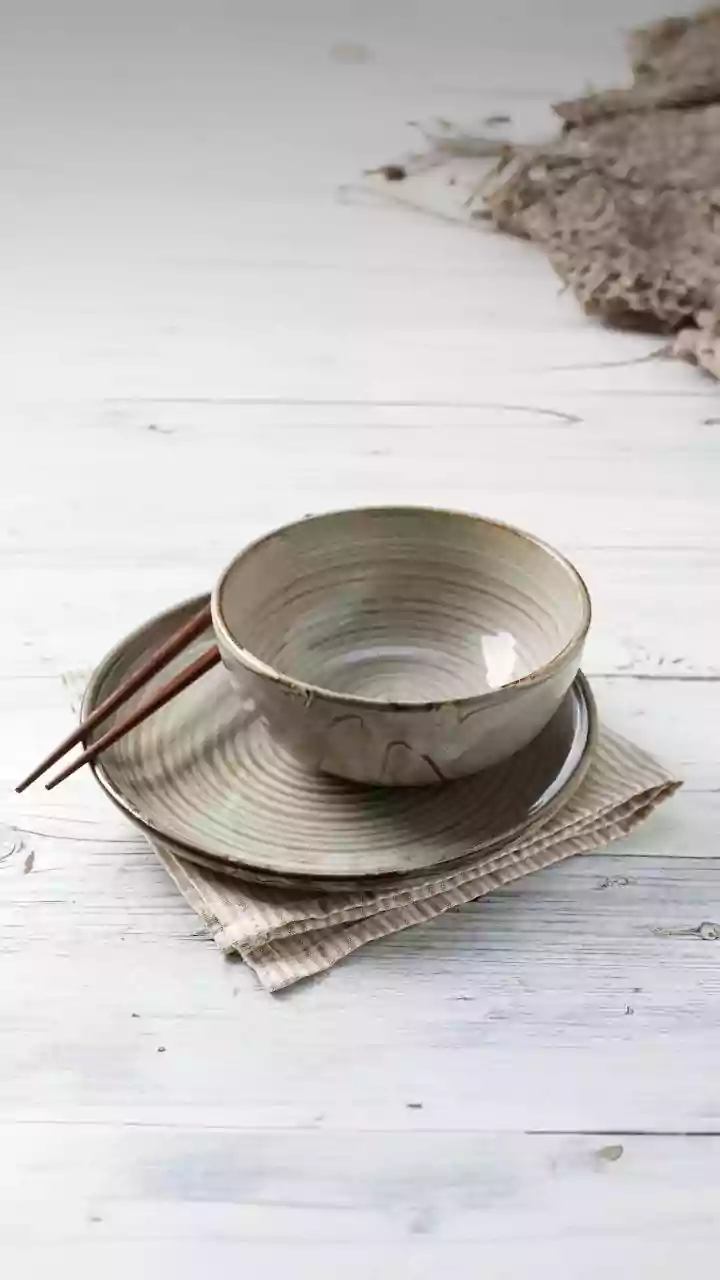
Clay craft's resurgence is not just about nostalgia; it is also about innovation. Designers and artisans are reimagining terracotta for the 21st-century home, creating pieces that fit seamlessly into contemporary aesthetics like 'Warm Minimalism'. Think sleek, sculptural lamp bases, minimalist planters, and geometrically patterned wall art. Current trends show a move away from cold, hard-edged minimalism towards warmer palettes of terracotta, olive green, and earthy beiges. Clay's versatility allows it to be shaped into clean, modern forms that appeal to global design sensibilities while still retaining an Indian soul. This fusion of traditional techniques with modern design ensures that clay craft looks at home in both bohemian and minimalist interiors.
Economic Empowerment and Digital Reach
The renewed interest in clay craft has a significant socio-economic impact. India's handicraft sector is the country's second-largest employer after agriculture, supporting millions of artisans. Initiatives like 'Vocal for Local' and the rise of e-commerce have been revolutionary for these communities. Online platforms, from major marketplaces to specialized artisan-led websites, have given potters in rural areas direct access to a national and even global customer base. This D2C (Direct-to-Consumer) model bypasses traditional middlemen, allowing artisans to earn a better income and sustain their craft for future generations. While challenges like digital literacy remain, the digital marketplace has provided a lifeline and a new path to prosperity for this ancient art form.