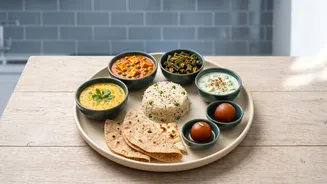





Create a Menu and a Budget First
Before you even think about stepping into a store, decide on your menu. List every dish you plan to make, from main courses and snacks to the all-important mithai. This clarity helps you build a precise shopping list. Once your list is ready, create a dedicated
festival food budget. Costs of essentials like oil, sugar, and rice can rise during the festive rush, so planning your spending helps prevent financial stress. Consider a proactive approach by setting aside a small amount each month throughout the year in a 'festival fund' to cover these extra costs without strain.
Time Your Shopping Strategically
Don't buy everything at once. A smart strategy is to split your shopping into phases. About two weeks before the festival, purchase all your non-perishable items. This includes staples like rice, atta, dals, sugar, ghee, cooking oils, and whole spices. These items have a long shelf life, and buying them early helps you avoid the last-minute price hikes and crowds. You can also take advantage of festival sales that often start a few weeks in advance. For perishable goods like fresh vegetables, paneer, milk, and flowers, wait until one to three days before you need them to ensure maximum freshness.
Beware of Festive Food Adulteration
The high demand for ingredients during festivals unfortunately leads to a higher risk of food adulteration. Milk and milk products like khoya (mawa) are particularly vulnerable; they might be bulked up with starch or, in worse cases, synthetic ingredients. To check khoya, rub a small piece in your palm; if it feels grainy or leaves an overly sweet taste, it may be impure. Similarly, be wary of sweets that are unusually bright, as they may contain non-food-grade chemical dyes. Authentic silver leaf (vark) on sweets should disintegrate easily when rubbed; if it feels like a sticky foil, it's likely adulterated with aluminum. Whenever possible, buy from trusted, licensed vendors.
Be Smart About Buying in Bulk
Buying in bulk can be economical, but only for certain items. Dry goods that you use year-round—such as basmati rice, atta, and popular dals (toor, moong)—are excellent candidates for bulk purchasing, especially if you find a good deal. The same goes for whole spices like cumin seeds, coriander, and turmeric, which are often significantly cheaper at Indian grocery stores compared to mainstream supermarkets. However, avoid buying perishable items or ingredients for a new recipe you've never tried in large quantities. Also, be cautious with oils and ghee; while essential, buying an enormous tin that you won't use for months can lead to it going rancid.
Don't Overlook Your Local Kirana Store
While supermarkets and online platforms offer convenience and big discounts, don't forget your neighbourhood kirana store. These smaller shops often stock regional specialty items that larger chains might miss. They are also great for last-minute needs when you realise you're short of cardamom or have run out of ghee. Building a relationship with your local grocer can be invaluable, as they can often provide the freshest stock and even set aside high-demand items for you during the festive rush. For spices, in particular, local stores can have a quicker turnover, ensuring you get fresher, more aromatic products.
Plan Your Storage Space
Your shopping isn't complete until everything is stored correctly. Before you buy, take stock of your pantry and refrigerator space. There's no point in buying ingredients in bulk if you don't have a cool, dry place to store them. Use airtight containers for spices, flours, and lentils to protect them from moisture and pests. Fresh herbs can be kept longer by placing their stems in a glass of water. Vegetables should be stored in the refrigerator's crisper drawer. Proper storage not only preserves the quality of your ingredients but also prevents waste and saves money.