






More Than Just Getting There
For decades, many of India's most breathtaking landscapes and cultural gems remained hidden in plain sight, accessible only to the most determined travellers. The journey was often the biggest hurdle. This is where the narrative of regional connectivity
begins. It’s a story that isn't just about reducing travel time; it's about fundamentally transforming a location from a remote dot on a map to a vibrant, accessible destination. When a new road smooths the path to a remote valley or a new flight route connects a coastal town, it kickstarts a powerful chain reaction. Better infrastructure is a direct invitation to tourists who might have previously been deterred by difficult or lengthy travel, unlocking the economic potential of regions that have been historically overlooked.
The UDAN Effect on Unseen India
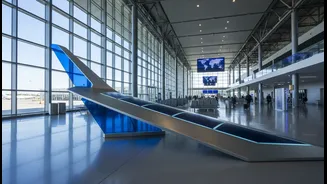
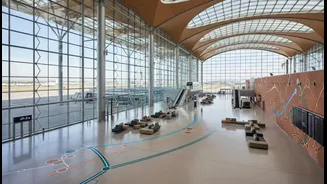
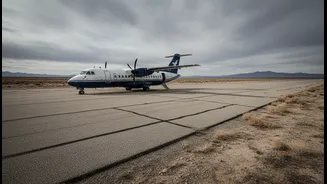
A prime example of this synergy is the Ude Desh ka Aam Nagrik (UDAN) scheme. Launched in 2016, its mission was to make air travel affordable and to connect India’s vast Tier-2 and Tier-3 cities. While the primary goal was democratising air travel, the secondary effect has been a monumental boost for tourism. The scheme has been instrumental in operationalising hundreds of new routes, connecting dozens of previously unserved or underserved airports. Suddenly, places that required a multi-day journey by train and bus became reachable within a few hours. This has opened up new tourism circuits in hilly states, the Northeast, and near pilgrimage sites, enabling travellers to explore beyond the well-trodden paths of major metros. This boom in accessibility has directly spurred local economies, encouraging the growth of hotels, homestays, and other tourism-related services.
Paving the Way with Bharatmala
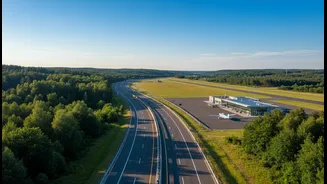
It’s not just the skies that tell this story. On the ground, the Bharatmala Pariyojana is reshaping India's road network with a strategic, corridor-based approach. This ambitious project aims to construct thousands of kilometres of new highways, including economic corridors and border roads. One of the stated goals of Bharatmala is to promote tourism by enhancing connectivity. Smoother, faster, and safer roads mean that weekend getaways become more feasible, road trips become more appealing, and the transport of goods to tourist hotspots becomes more efficient. By connecting coastal and border areas, the project not only serves strategic and economic goals but also opens up these regions for new tourism ventures, from coastal resorts to eco-lodges in remote areas.
The Economic Ripple Effect
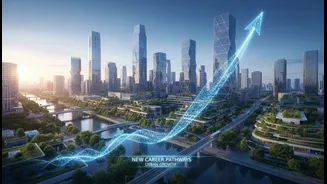
The relationship between connectivity and tourism is symbiotic, creating a powerful economic ripple effect. Improved access drives tourist footfall, which in turn creates a business case for private investment. New hotels are built, local entrepreneurs start guide services, and artisans find a larger market for their crafts. According to industry leaders, sustained government investment in infrastructure, including airports and highways, has been a direct cause of the buoyancy in tourism demand. This growth generates significant employment, from construction workers building the infrastructure to hospitality staff serving the new wave of visitors. The government is actively working to develop dozens of tourist destinations through a challenge mode, aiming to improve connectivity and amenities to create globally competitive hubs. This integrated approach ensures that the benefits of tourism are distributed more evenly across the country, fostering inclusive growth.