








What Is Exfoliation, Really?
At its core, exfoliation is the process of removing dead cells from the skin's surface. Our skin naturally sheds these cells over a cycle of about 28 days, but factors like age and environment can slow this process down, leading to a dull, rough, or congested
complexion. Exfoliation gives this natural process a helping hand, preventing the build-up that can clog pores and lead to breakouts. By clearing away the old layer, you not only improve skin texture but also allow your other skincare products, like serums and moisturisers, to penetrate more effectively.
The Two Paths to Brighter Skin
There are two main ways to exfoliate: physical and chemical. Physical exfoliation involves manually removing dead cells with scrubs, brushes, or sponges. This method provides immediate smoothness but can sometimes be too abrasive, potentially causing micro-tears if the particles are rough or used too aggressively. Chemical exfoliation, on the other hand, uses acids—like Alpha Hydroxy Acids (AHAs) and Beta Hydroxy Acids (BHAs)—or enzymes to dissolve the bonds holding dead skin cells together. Generally considered gentler, chemical exfoliants are often recommended for sensitive or acne-prone skin as there is less risk of irritation from scrubbing.
The Telltale Signs of Overdoing It
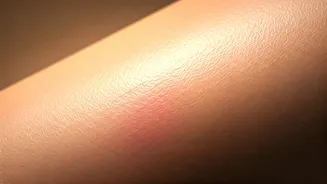
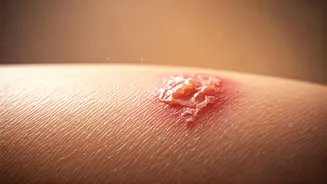
More is not always better. Over-exfoliating strips the skin of its natural oils and damages its protective barrier, leading to a host of problems. One of the most common signs is increased sensitivity; products that were once fine may suddenly cause stinging or burning. Other red flags include persistent redness, dryness, and a tight feeling no matter how much you moisturise. Ironically, over-exfoliation can also trigger more breakouts as the damaged skin barrier becomes inflamed and vulnerable to bacteria, or it may overproduce oil to compensate for the dryness. You might also notice a waxy, artificial shininess, which is a sign that the skin's texture has been stripped.
Finding Your Perfect Frequency
How often you should exfoliate depends entirely on your skin type and the product you're using. For those with oily or resilient skin, exfoliating two to three times a week might be beneficial. However, if you have dry or sensitive skin, once a week is often a safer starting point. For normal or combination skin, starting with twice a week and adjusting from there is a good strategy. It’s crucial to pay attention to how your skin responds. If you notice any signs of irritation, it’s a clear signal to scale back immediately. Remember that your skin's needs can change, so what works in one season may not work in another.
Rescue and Repair for Stressed Skin
If you've gone too far, the first and most important step is to stop all exfoliation immediately. This includes scrubs, acids, and even retinol products until your skin has fully recovered. Simplify your routine to the bare essentials: a gentle, non-foaming cleanser, a hydrating moisturiser, and a broad-spectrum sunscreen with at least SPF 30. Sunscreen is non-negotiable, as a compromised skin barrier makes your skin much more susceptible to sun damage. Look for products with barrier-repairing ingredients like ceramides, hyaluronic acid, and niacinamide to help soothe inflammation and replenish lost moisture. Healing can take anywhere from a few days for mild cases to several weeks for more significant damage, so patience is key.