





The Toll of a Sedentary Workweek
For many, the workday is defined by hours spent in a chair, staring at a screen. This prolonged sitting, often with poor posture, can have significant physical consequences. Muscles like the hip flexors and hamstrings shorten and tighten, while the muscles
of the back and core can weaken, leading to slouching. This combination creates a perfect storm for stiffness and pain, particularly in the neck, shoulders, and lower back. Over time, this constant compression of the spine and lack of movement can reduce your overall flexibility and mobility, making even simple activities feel like a strain. The body was designed to move, and when it remains static for too long, muscles become tight, circulation is reduced, and a feeling of lethargy sets in.
How Yoga Restores Flexibility
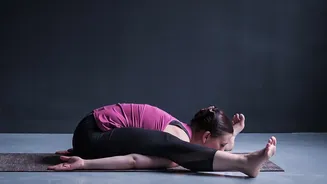
Yoga offers a direct and effective antidote to the problems of a sedentary lifestyle. Unlike some forms of exercise, it combines physical postures with controlled breathing and mindfulness. This trio works together to release tension, improve blood flow, and gently lengthen muscles that have become tight from inactivity. The slow, deliberate movements of yoga increase the flow of oxygen to your muscles, helping them relax and recover. By moving the spine through its full range of motion, these practices also help lubricate the vertebral discs, which can become compressed from sitting. Regular practice helps correct muscle imbalances, improve posture, and builds long-term flexibility, reducing the risk of injury and chronic discomfort.
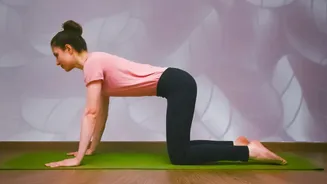
Marjaryasana-Bitilasana (Cat-Cow Pose)
Perhaps the most accessible and beneficial pose for a stiff back is the Cat-Cow flow. This dynamic movement, synchronized with breath, is like a gentle wake-up call for your spine. Starting on your hands and knees, the 'Cow' part of the pose involves arching your back as you inhale, opening the chest. As you exhale, you round your spine into 'Cat' pose, tucking your chin. This rhythmic motion improves spinal flexibility, relieves tension in the back and neck, and boosts circulation to the discs between your vertebrae. It's an ideal warm-up and a perfect counter-movement to the hunched posture many adopt at their desks.
Bhujangasana (Cobra Pose)
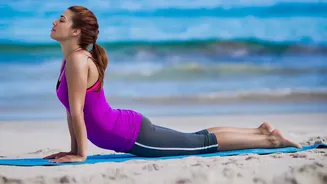
Cobra Pose is a gentle backbend that directly counteracts the effects of slouching. By lying on your stomach and gently lifting your head and chest off the floor, you stretch the muscles of the chest and abdomen while strengthening the spine. This pose is fantastic for improving posture by opening up the shoulders and encouraging the natural curve of the lower back. Regular practice can significantly increase spinal flexibility and reduce the stiffness that builds up from hours of sitting. It's a beginner-friendly way to build back strength and bring a sense of energy to the body.
Balasana (Child's Pose)
Child's Pose is a restorative posture that provides a gentle, passive stretch for the entire back body. By kneeling and folding your torso forward over your thighs, you allow your spine to elongate naturally, releasing tension in the lower back. It also provides a great stretch for tight hips, thighs, and ankles — areas that often suffer from prolonged sitting. Balasana is a moment of surrender; it calms the nervous system and encourages deep, restorative breathing into the back of the body. You can practice it with knees together or wide apart for a deeper hip stretch, making it an adaptable pose for all levels of flexibility.
Making It a Daily Habit
The key to reaping the benefits of these asanas is consistency. You don’t need an hour-long session to make a difference. Even 10 to 15 minutes of mindful movement each day can significantly improve how you feel. Consider starting your morning with a few rounds of Cat-Cow to wake up your spine. Take a short break in the afternoon for a gentle Cobra Pose to open your chest. End your workday with a few moments in Child's Pose to release accumulated tension. The goal is to integrate these simple practices into your routine. By listening to your body and making this small commitment, you invest in your long-term mobility, posture, and overall well-being, ensuring your workweek doesn't leave you feeling stiff and sore.