






The Rise of Community-Powered Travel
For years, the travel industry has been dominated by large booking platforms that standardise—and often sanitise—our experiences. But a quiet revolution is underway, powered by travellers themselves. Using simple, shareable technology, backpackers, van-lifers,
and solo adventurers are building a digital atlas of their own. These crowdsourced maps are more than just lists of places; they are living documents, constantly updated by a global community with on-the-ground knowledge. They prioritise what many modern travellers crave: authenticity, affordability, and adventure, far from the polished marketing of mainstream tourism.
Dedicated Apps: A Backpacker's Best Friend
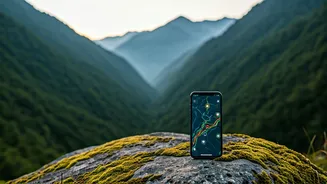
The most direct way to tap into this world is through dedicated mobile apps built specifically for independent travellers. Apps like iOverlander, The Dyrt, and Park4Night have become indispensable tools. Users can filter for specific types of spots, such as informal campsites, free water sources, guesthouses not listed elsewhere, and even quiet riverside clearings perfect for a tent. Each entry is submitted by a user and includes crucial details like GPS coordinates, photos, and, most importantly, recent reviews. These reviews offer honest insights: “The road is rough, 4x4 recommended,” “Owner is very friendly, offered us chai,” or “Loud music from the nearby village on weekends.” This level of granular, real-time detail is something commercial sites can’t replicate.
The Reddit and Google Maps Ecosystem
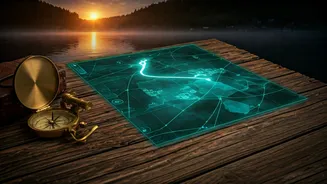
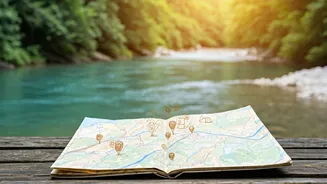
Beyond dedicated apps lies a vast, decentralized network of shared maps on platforms you already use. Reddit communities like r/solotravel, r/backpacking, and country-specific subs (like r/indiatravel) are treasure troves. A common practice is for experienced members to create and share custom Google My Maps. These maps might pinpoint everything from the best street food stalls in Bangkok to unmarked trekking trails in the Parvati Valley. Finding them is as simple as searching the subreddit for “map” or “Google Map.” The value here is hyper-specialisation. You might find a map dedicated entirely to free-to-visit waterfalls in Kerala or budget-friendly ashrams near Rishikesh, curated by people who have personally vetted each location.
Finding Niche Communities on Facebook & Forums
Don't underestimate the power of old-school forums and niche Facebook Groups. These online communities, often centered around a specific activity (e.g., “Himalayan Motorcycling”) or travel style (“Backpacking Southeast Asia on a Budget”), are hotbeds of shared knowledge. Members frequently compile lists and map links in pinned posts or files sections. The barrier to entry is low, but the trust level is often high. In these groups, people share information freely, from the phone number of a reliable homestay owner in a remote village in Spiti to tips on avoiding tourist scams in a bustling city. The key is to join, participate, and contribute, becoming part of the community you seek to benefit from.
A Guide to Responsible Exploration
With great power comes great responsibility. The “secret” nature of these spots is fragile. When using crowdsourced maps, always follow the unspoken rules of the community. First, verify information. A great spot from two years ago might be closed or unwelcoming today, so always check recent comments. Second, practice the 'Leave No Trace' principle religiously, especially in natural settings like riverside camps. Pack out everything you pack in. Finally, be a good guest. If you’re staying at a small, family-run guesthouse you found on a community map, be respectful, support their business, and consider leaving a positive, helpful review for the next traveller. The system only works when everyone contributes positively.