






Known as the 'Manchester of South India', Coimbatore's identity is woven from cotton. But its economic story has another powerful thread: engineering. This isn't a tale of two separate industries, but one of a symbiotic relationship that built a city.
The Foundation of Fabric
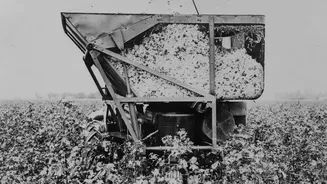
Coimbatore's journey as an industrial powerhouse began in the late 19th century. Its location, surrounded by fertile black soil ideal for cotton cultivation, made it a natural center for the textile trade. The first spinning and weaving mill, Stanes Mill, was established in 1888, marking the dawn of industrialization in the city. The availability of hydroelectric power from the Pykara project in the 1930s provided a massive boost, allowing mills to flourish and solidifying the city's reputation for producing high-quality cotton textiles. This boom attracted entrepreneurs and a vast workforce, laying the groundwork for a thriving local economy and earning Coimbatore its famous moniker.
Necessity, the Mother of Engineering
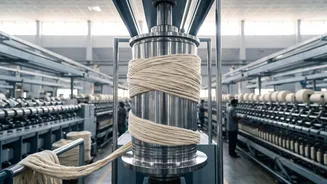
As the textile mills multiplied, so did their needs. These factories were filled with complex machinery—spinning frames, looms, and carding machines—that required constant maintenance and repair. Initially, much of this equipment was imported. However, local entrepreneurs saw an opportunity. Small workshops and foundries began to emerge in the 1930s, initially to service and repair the machinery for textile mills and agricultural pumps. This was the crucial turning point. The growth of the textile sector directly created a demand for a local engineering industry capable of supporting it. This synergy became the bedrock of Coimbatore's unique economic structure.
From Support Sector to Industrial Powerhouse
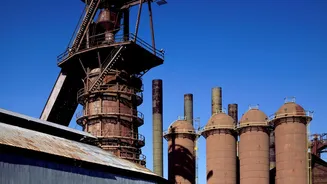
The engineering sector, born from the needs of the textile industry, quickly grew into a formidable force of its own. Visionary industrialists began to not just repair, but manufacture. The first electric motor in India was produced in Coimbatore in the 1930s. This innovation opened the floodgates. The city became a hub for manufacturing pumps, supplying over 40% of India's requirements, earning it the second nickname, 'Pump City'. This engineering prowess later diversified into producing components for the automotive industry and even led to the invention of the GI-tagged Coimbatore Wet Grinder, a staple in South Indian kitchens. Companies like Lakshmi Machine Works (LMW), which started as a textile machinery manufacturer, became one of the largest in its field globally, perfectly embodying this evolution.
A Modern Economic Duet
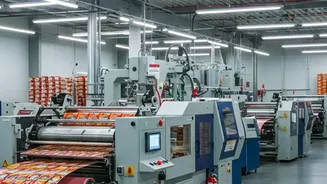
Today, Coimbatore's economy stands on these two strong pillars. The textile and engineering industries are no longer just parent and child; they are equal partners. The city hosts over 25,000 industries, spanning from spinning mills to high-tech software companies. The region remains a critical textile hub, with the Coimbatore-Tirupur-Erode corridor accounting for a huge share of India's knitwear exports. Simultaneously, its engineering sector has attracted global companies and is a leader in castings, auto components, and pumps. This industrial base has also nurtured a booming IT and BPO sector, with the city now ranking as the second-largest software producer in Tamil Nadu after Chennai. This diversified economy makes Coimbatore one of India's fastest-growing tier-II cities, with a robust ecosystem ready for future growth.