







What Is a Late-Night Eating Curfew?
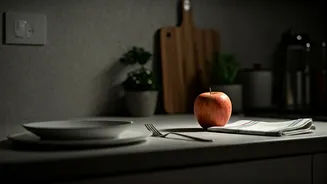
Think of it as a gentle but firm boundary for your kitchen. A late-night eating curfew is simply a pre-determined time in the evening after which you stop consuming food until the next morning. It’s not about skipping dinner or drastically cutting calories.
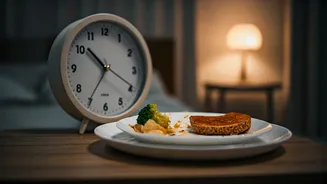
Instead, it’s about creating a dedicated window of time—typically 2 to 4 hours before you plan to sleep—where your digestive system gets to clock out for the night. This concept is rooted in the science of our body's internal clocks, known as circadian rhythms, which govern everything from our energy levels to our sleep-wake cycles. By aligning our eating patterns with these natural rhythms, the thinking goes, we can set ourselves up for more restorative rest.
Why Your Stomach Needs to Sleep, Too
When you eat a meal, your body kicks into high gear. The digestive system requires significant energy and blood flow to break down food, absorb nutrients, and manage the metabolic response. If this process is happening while you’re trying to fall asleep, it can create a conflict. Your body’s core temperature, which naturally needs to drop to initiate sleep, may stay elevated due to the metabolic activity of digestion. Lying down after a heavy meal can also lead to issues like acid reflux or heartburn, which are guaranteed sleep disruptors. Furthermore, eating late, especially meals high in carbs or sugar, can cause a spike in blood sugar and insulin. Your body then works to bring these levels down, a process that can interfere with the natural release of sleep-promoting hormones like melatonin and growth hormone, and may even increase levels of the stress hormone cortisol.
Unlocking Better Deep Sleep
The headline’s claim focuses on “deep sleep,” and for good reason. Sleep isn’t a single, uniform state; it’s a cycle of different stages, including light sleep, deep sleep, and REM (Rapid Eye Movement) sleep. Deep sleep is arguably the most critical for physical restoration. During this phase, your body repairs tissues, builds bone and muscle, and strengthens the immune system. Studies on chrononutrition—the field that studies how meal timing affects health—suggest that late-night eating can disrupt this delicate architecture. By forcing your body to focus on digestion, it may spend less time in the restorative deep sleep stages. Your brain remains more active, and you might experience more frequent awakenings, even if you don't fully remember them. The result is waking up feeling unrefreshed, as if you’ve run a marathon in your sleep.
Your Guide to Starting a Food Curfew
Ready to give it a try? The key is to be realistic and start slowly.
- Start with a 2-Hour Window: Begin by aiming to finish your last meal at least two hours before your typical bedtime. If your bedtime is 11 PM, your kitchen "closes" at 9 PM.
- Work Up to 3-4 Hours: Many experts suggest a 3-hour gap is ideal, as it gives your stomach ample time to empty and your blood sugar to stabilize. For some, a 4-hour window works even better. Experiment to see what feels best for your body.
- Stay Hydrated: The curfew is for food, not water. Drinking water or a caffeine-free herbal tea (like chamomile or peppermint) is perfectly fine and can help manage feelings of hunger.
- Make Dinner Substantial: Ensure your evening meal is balanced with protein, healthy fats, and fibre. A satisfying dinner makes you less likely to crave a late-night snack. If you eat too little, you’ll be battling real hunger, not just habit.
What If You’re Genuinely Hungry?
A food curfew isn't about ignoring your body’s signals. If you find yourself truly hungry after your cut-off time, it's better to have a small, smart snack than to lie in bed with a rumbling stomach. The goal is to choose something that's easy to digest and won’t spike your blood sugar. Think a small handful of almonds, a few walnuts, a glass of warm milk, or a small bowl of plain Greek yogurt. These options contain protein or healthy fats that promote satiety without overloading your digestive system. Avoid sugary biscuits, ice cream, chips, or leftover pizza, as these are the primary culprits in disrupting sleep. Often, what we perceive as hunger is actually thirst or just habit, so try a glass of water first.