






The Major Change: Expanded e-Visa Land Ports
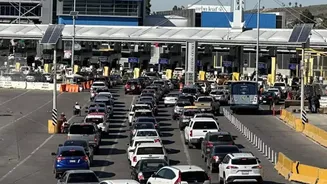
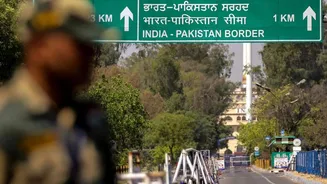
The most significant development effective August 11, 2026, involves travellers entering India. The Indian government has expanded the number of entry points for foreign nationals holding an electronic visa (e-Visa). This includes the addition of nine
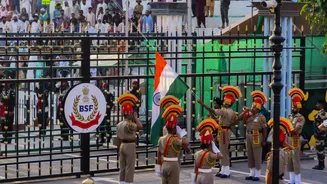
land border crossings, such as Jaigaon (at the Bhutan border), Moreh (Myanmar), Agartala (Bangladesh), and Attari Road (Pakistan), among others. Previously, e-Visas were primarily for entry via airports and seaports. This move offers greater flexibility for international tourists who wish to enter India by road, streamlining access to border regions and interior destinations. However, it's crucial to note this specific change applies to foreign e-Visa holders coming into India, not necessarily Indian citizens travelling outbound.
Travel to Nepal and Bhutan: The Current Rules
For Indian citizens, overland travel to Nepal and Bhutan has long been governed by a special agreement that does not require a visa. This arrangement remains in place and is not directly affected by the new e-Visa expansion. For entry into these countries, Indian citizens are generally not required to carry a passport. Instead, a valid photo identity document is typically sufficient. Accepted documents usually include the Voter ID card issued by the Election Commission of India or a valid passport. In May 2026, reports of Nepal tightening these rules and imposing stay limits were officially denied by the Nepal Tourism Board, which confirmed the long-standing open-border policy remains unchanged. Therefore, while documentation is checked, the system for Indians travelling to these specific neighbours has not undergone a new standardisation today.
Why Are Border Rules Changing?
The recent changes and ongoing discussions around border management are driven by several factors. For India, expanding e-Visa access to land ports is part of a broader strategy to boost tourism and streamline immigration using digital systems. For neighbouring countries, the focus is often on enhancing security, preventing illegal activities, and better managing the flow of tourists. The goal of creating a digital record of entries and exits, which has often been inconsistent at busy land crossings, is a shared objective for many nations globally. While a unified, standardised documentation system for all of India's visa-free neighbours has not been rolled out, the trend is clearly moving towards more structured and digitally-tracked cross-border movement. This is part of a larger plan to upgrade border infrastructure, with India planning to establish dozens of new land ports to improve trade and connectivity.
A Checklist for Overland Travellers
Given the dynamic nature of border regulations, preparation is key for a smooth journey. Before you travel, it is essential to verify the latest requirements from official sources. For visa-free travel to Nepal or Bhutan, always carry a valid original photo ID, such as a passport or a Voter ID card. It is also wise to have proof of accommodation for at least your first night and a general itinerary, as border officials may ask for these details. Having both physical and digital copies of your important documents can be a lifesaver. Be aware of the specific operating hours of your chosen border crossing point, as many are not open 24/7. Remember that even with visa-free travel, you are still subject to the immigration and customs laws of the country you are entering.