




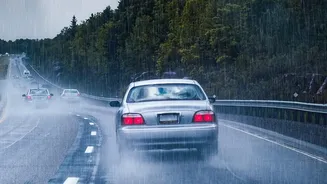
Tires: Your Only Grip on Wet Roads
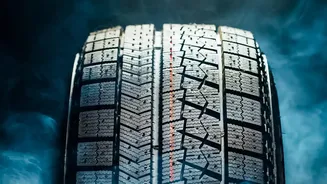
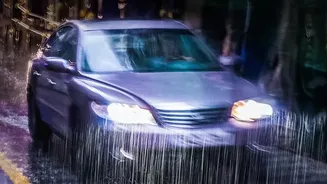
Your tires are the single most critical safety component during the monsoon. Their ability to grip slick surfaces and channel water away is what stands between you and a dangerous skid. When roads are wet, the risk of hydroplaning—where a layer of water builds
up between the tire and the road, causing a total loss of control—is very real. Properly maintained tires are your best defence, especially at night when potholes and puddles are harder to see. A quick inspection before you leave home takes just a few minutes but provides essential peace of mind.
The Tire Pressure Check
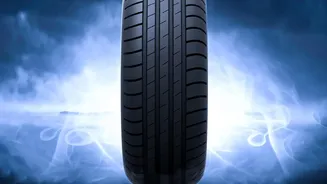
Proper tire pressure ensures your tires make optimal contact with the road, providing better stability and control. Both underinflated and overinflated tires are dangerous. Underinflation can cause the tire to flex too much, building up heat and increasing the risk of a blowout, while overinflation reduces the contact patch with the road, decreasing grip. To check the pressure, you need a simple pressure gauge. The recommended pressure level for your car is usually found on a sticker inside the driver's side door jamb or in your owner's manual. It's crucial to check the pressure when the tires are 'cold'—meaning the car has been parked for at least three hours—for an accurate reading. Don’t forget to check the spare tire as well; you don't want to discover it's flat when you need it most.
Inspecting Tread Depth and Wear
Tire treads are the grooves designed to push water away from the tire's surface. Without adequate tread depth, your car can't maintain its grip on wet roads, significantly increasing braking distances and the risk of hydroplaning. Legally, tire tread depth should be at least 1.6mm, but for monsoon safety, more is always better. You can check this using the tread wear indicator bars built into the tire grooves; if the tread is flush with these bars, it's time for a replacement. While you’re down there, run your hand over the tire and look for any uneven wear, bulges, cracks, or embedded objects like nails. Uneven wear might point to an alignment issue that needs professional attention before a long trip.
Fog Lights: Cutting Through the Gloom
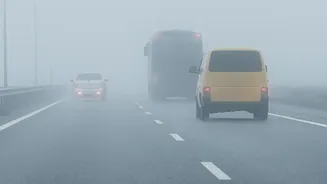
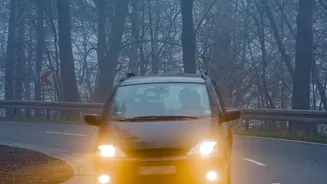
Night driving in the monsoon often involves not just rain, but fog, mist, and heavy spray from other vehicles, all of which severely reduce visibility. This is where fog lights are essential. Unlike regular headlights that are mounted higher and can reflect glare off raindrops and fog, fog lights are positioned lower on the vehicle. They cast a wide, low beam that illuminates the road surface directly in front of the car, helping you see lane markings and obstacles without dazzling other drivers. It is important to use them only when visibility is genuinely poor—typically less than 100 metres—as they can be blinding to others in clear conditions.
A Simple Lighting System Check
Before your trip, perform a quick check of all your vehicle’s lights. Turn on your ignition and test your low beams, high beams, and then your front and rear fog lights. Ask a friend to stand outside or park in front of a reflective surface to confirm everything is working. Check your brake lights and turn indicators as well. Clear visibility is a two-way street; it's not just about what you can see, but also about how well others can see you. Functioning brake lights and turn signals are critical for communicating your intentions to other drivers on dark, rainy nights when reaction times are slower.