






Beyond the Grams Game
The obsession with hitting a specific number of protein grams per day is a common pitfall. While adequate intake is important, focusing only on the total can be misleading. Two diets with the same protein count can lead to vastly different results in muscle
growth, recovery, and overall health. The body doesn't just count grams; it requires usable building blocks. Protein is made of smaller units called amino acids. There are nine essential amino acids that our bodies cannot produce, meaning we must get them from food. The quality of a protein source is determined by its amino acid profile.
The Quality Question: Complete vs. Incomplete
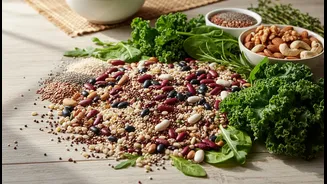
Proteins are categorised as either 'complete' or 'incomplete'. Complete proteins contain all nine essential amino acids in sufficient amounts. Sources like fish, poultry, eggs, and dairy products fall into this category. Many plant-based proteins, such as beans and some grains, are considered 'incomplete' because they are low in one or more essential amino acids. However, this doesn't make them inferior. By combining different plant-based foods throughout the day — like rice and beans, or whole-grain bread with hummus — you can create a complete amino acid profile. The key is variety.
Timing for Maximum Benefit
When you eat your protein can be as important as what you eat. Spreading your protein intake throughout the day is more effective for muscle building and maintenance than consuming a large amount in one sitting. Aiming for 20-40 grams of protein every three to four hours can help optimize muscle protein synthesis, the process of repairing and building muscle. While the concept of a rigid 30-minute post-workout 'anabolic window' has been largely debunked, consuming protein within a couple of hours after exercise is still beneficial for recovery. The post-workout period is when muscles are more sensitive to nutrients, but this window is wider than once thought.
Whole Foods First, Supplements Second
Protein powders and bars are convenient, but they shouldn't be your primary source. Whole foods offer a complex matrix of nutrients that supplements cannot replicate. A piece of steak, for example, contains not only protein but also iron, zinc, B vitamins, and creatine, which all support your body's functions. Supplements are best used for what their name implies: to supplement a healthy diet. They can be useful for a quick post-workout recovery shake or to fill nutritional gaps, but a foundation built on real, unprocessed food provides a broader spectrum of health benefits and promotes better satiety.
Diversify Your Protein Portfolio
Relying on just one or two protein sources, like chicken breast and whey powder, can lead to nutritional gaps. Different protein sources come packaged with a variety of other essential nutrients. For instance, fish provides heart-healthy omega-3 fatty acids, lentils are packed with fibre, and dairy offers calcium. Diversifying your intake ensures you get a wider range of vitamins, minerals, and other beneficial compounds. This strategy also supports a healthier gut microbiome, as different food sources feed different beneficial bacteria. Embracing a variety of proteins, including both animal and plant-based options, makes meals more interesting and your diet more nutritionally robust.