





The Great Monsoon Retreat
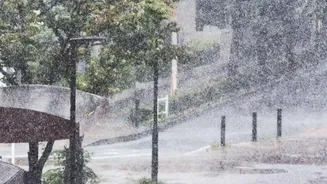
October signals a significant shift in India's weather patterns as the four-month-long Southwest Monsoon begins its staggered withdrawal. This process typically starts in the northwest in early September and moves southeast over several weeks. By early October,
the monsoon has usually withdrawn from most of northwest and central India. This retreat means Delhi and Jaipur might be enjoying dry, sunny days, while other parts of the country could still be experiencing wet conditions. The withdrawal is officially declared based on criteria like reduced moisture and consecutive dry days. This transition makes October a shoulder season, offering good weather before peak tourist crowds arrive in November.
North India: Clear Skies and Festive Air
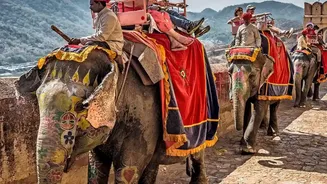
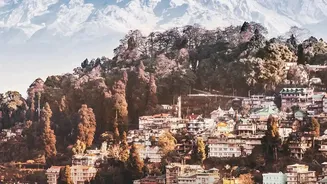
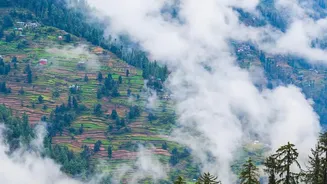
For North India, including popular tourist circuits like the Golden Triangle (Delhi, Agra, and Jaipur), October ushers in some of the year's most pleasant weather. With the heavy rains over, humidity drops significantly, and the landscape is vibrant and green. Daytime temperatures are comfortably warm, often hovering around 30-34°C with minimal rainfall, making it ideal for sightseeing. The Himalayan states of Himachal Pradesh and Uttarakhand also see clear skies, offering excellent opportunities for trekking and enjoying mountain views. National parks in the region, such as Jim Corbett, which are closed during the monsoon, typically reopen in October.
West and Central India: Drying Out
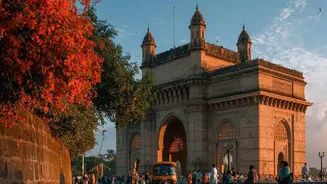
Regions in western and central India, like Rajasthan, Gujarat, Mumbai, and Pune, transition to a drier post-monsoon climate. The Southwest Monsoon's withdrawal is often complete from these areas by early to mid-October. Cities like Mumbai experience a sharp drop in precipitation, giving way to consistently sunny and clear weather. This makes it a great time for outdoor activities without the constant interruption of rain. In Rajasthan, the weather becomes particularly inviting for exploring its famous forts and palaces, with daytime temperatures becoming much more manageable than in the preceding months.
South India: A Tale of Two Monsoons
The weather story in South India is more complex. While states like Kerala and Goa see a reduction in the heavy downpours from the Southwest Monsoon, they can still experience occasional showers. The landscape is exceptionally lush and green after months of rain. However, the southeastern coast faces a different phenomenon: the onset of the Northeast Monsoon. This typically begins around mid-October and brings significant rainfall to states like Tamil Nadu and parts of Andhra Pradesh. For cities like Chennai, this period marks the start of their primary rainy season. Therefore, while destinations like Hampi in Karnataka or the backwaters in Kerala are beautiful, travel to the southeastern coast requires planning for rain.
East and Northeast India: Lingering Moisture
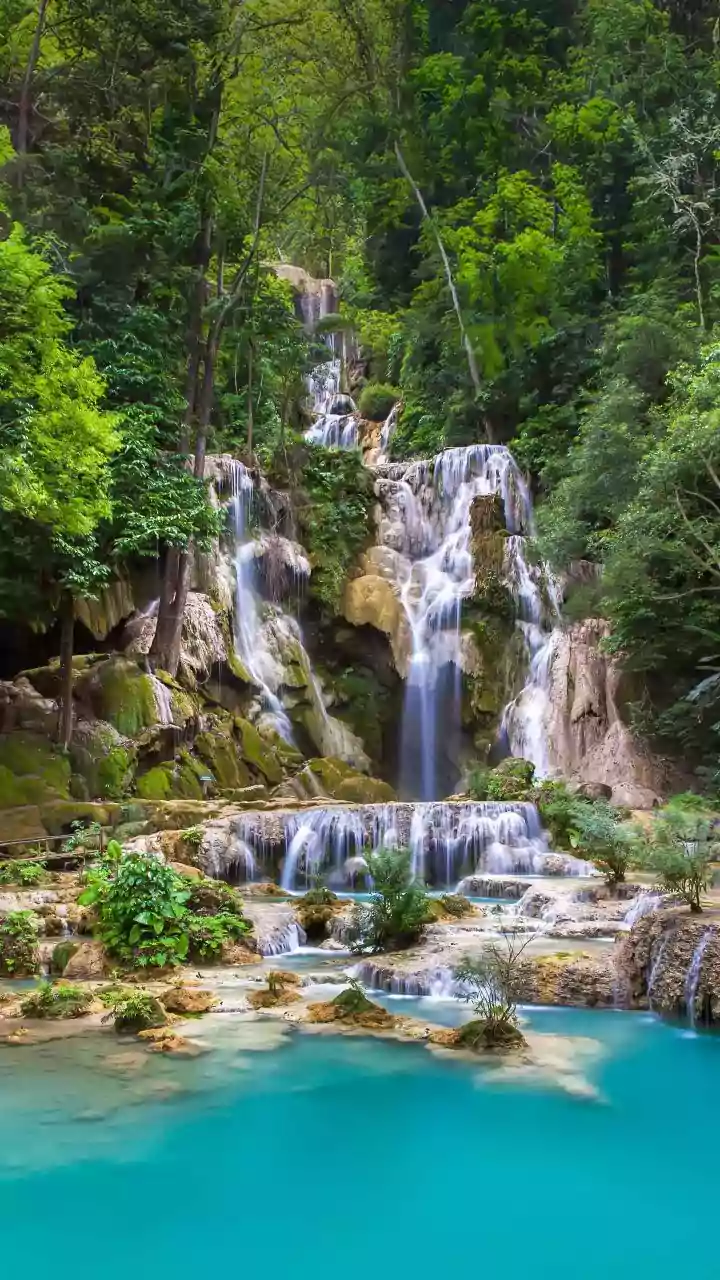
In Eastern India, cities like Kolkata and Varanasi become pleasantly warm and dry as October progresses. The weather improves throughout the month, making it a good time to visit. In Northeast India, the monsoon's withdrawal can be slower compared to the rest of the country. While rainfall decreases, states like Meghalaya and Arunachal Pradesh may still see scattered showers, especially in the early part of the month. However, the post-monsoon freshness makes the lush hills and active waterfalls particularly scenic. By mid-to-late October, conditions generally become more favorable for travel.