

The Monsoon Gardening Paradox
The Indian monsoon seems like the perfect time for plants to flourish. The air is thick with humidity, which many tropical houseplants adore, and the cooler temperatures offer a break from summer stress. Rainwater itself is a boon, free of the salts and chemicals
found in tap water and containing beneficial nitrogen that promotes lush, green growth. This combination can stimulate faster growth and make it easier to propagate new plants. However, this season of abundance also presents a tricky paradox for indoor gardeners. The very conditions that seem ideal—constant moisture and lower light—can quickly turn problematic if not managed with care and patience.
Taming the Season's Challenges
The biggest hurdles for indoor plants during the monsoon are root rot, low light, and pests. With high humidity, soil in pots dries out much more slowly. Many gardeners make the mistake of sticking to their summer watering schedule, leading to waterlogged soil that suffocates roots and causes them to rot. The persistent cloud cover means less sunlight, which is crucial for photosynthesis, potentially causing plants to become pale and weak. Furthermore, these damp, cool conditions are a perfect breeding ground for fungal diseases like powdery mildew and pests such as fungus gnats and mealybugs, which thrive in moist environments.
Your Monsoon All-Star Team
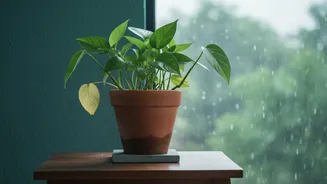
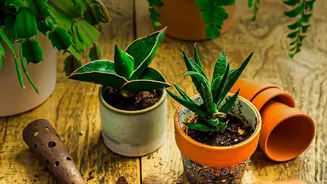
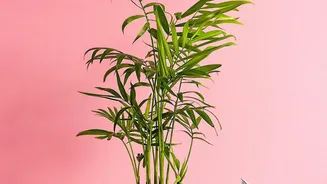
Success begins with choosing the right plants. Opt for species that are tolerant of lower light and high humidity. The Snake Plant (Sansevieria) and ZZ Plant (Zamioculcas zamiifolia) are champions of neglect and do exceptionally well, as they are prone to rotting if overwatered. Pothos (Epipremnum aureum) and many Philodendron varieties are also excellent choices, as they enjoy the humid conditions and can handle shadier spots. For those who love lush foliage, the Peace Lily (Spathiphyllum) and various ferns will thrive in the monsoon's ambient moisture, though they still require good drainage to prevent their roots from becoming waterlogged. Chinese Evergreens (Aglaonema) are another hardy option known for their resilience in less-than-ideal light.
A Patient Gardener's Care Guide
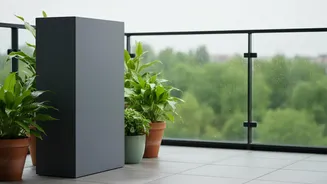
Patience is key, and it starts with watering. Ditch the schedule and adopt the 'finger test': only water when the top inch of soil feels dry. Ensure every pot has drainage holes and is not sitting in a saucer full of water. Elevating pots on stands can improve both drainage and air circulation. To combat low light, move your plants closer to windows, rotating them periodically for even exposure. Good ventilation is crucial to ward off fungal infections; grouping plants too closely can trap moisture, so give them some space to breathe. Finally, be vigilant. Regularly inspect leaves for any signs of pests or disease and remove any dead or yellowing foliage promptly to maintain plant hygiene.
The Ultimate Reward: A Green Sanctuary
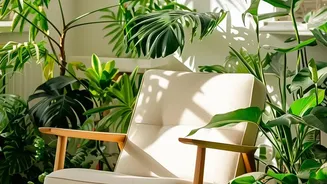
The rewards for your patience extend far beyond just keeping a plant alive. Nurturing a green space indoors provides a powerful mood boost, serving as a vibrant, living antidote to the gloomy, grey weather outside. The act of caring for plants—checking the soil, pruning leaves, and watching for new growth—is a mindful practice that can reduce stress and foster a sense of accomplishment. Your indoor garden becomes a sanctuary of clean air and natural beauty. The satisfaction comes from understanding your plants' needs and guiding them through a challenging season, resulting in a home that feels more alive and connected to nature, no matter how much it rains.