



Why Brave the Rains?
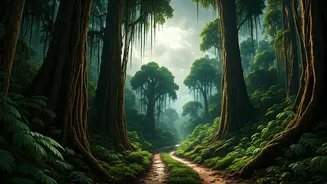
While most national parks shut their core zones from June to October, a select few keep buffer areas or entire sanctuaries open, offering an experience starkly different from the popular winter season. The primary draw? The forest is reborn. The air is thick
with the scent of wet earth, the foliage is a startling, vibrant green, and the dust is settled. With fewer tourists, the experience is more intimate and serene. The rain revitalises waterholes, often bringing animals out into the open. It’s also the best time for spotting reptiles and amphibians, many of which emerge from their slumber to breed. The jungle, in short, feels more alive than at any other time of year.
Periyar National Park, Kerala
As one of the few parks that remains open year-round, Periyar in the Western Ghats is a quintessential monsoon destination. The park’s famous boat safari on Periyar Lake takes on a mystical quality, with mist hanging low over the water and the surrounding hills. This is prime time to see herds of elephants, including playful calves, bathing and frolicking by the lakeside. The rains also bring out a stunning variety of frogs, including the Malabar gliding frog, and snakes like the Malabar pit viper. For birders, the incessant drizzle doesn’t deter species like the Malabar grey hornbill and the white-bellied treepie. The experience here is less about chasing tigers and more about immersing yourself in a thriving, rain-drenched ecosystem.
Tadoba Andhari Tiger Reserve, Maharashtra
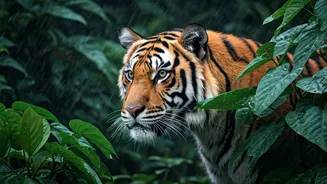
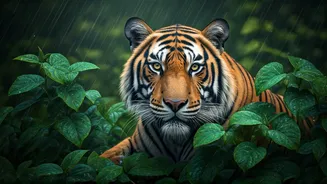
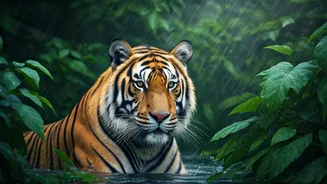
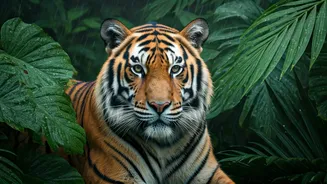
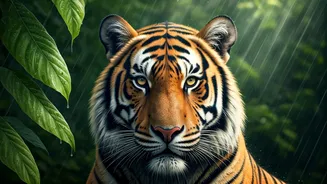
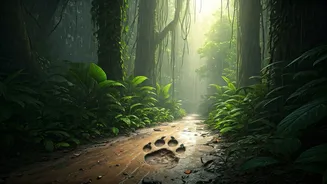
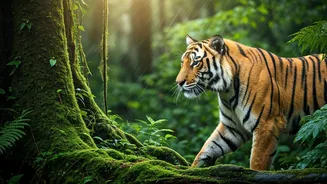
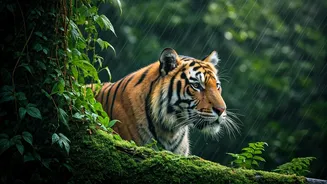
Tadoba is synonymous with tiger sightings, and while its core areas close during the monsoon, many of its buffer zones remain accessible. This offers a golden opportunity for serious wildlife enthusiasts. The reduced tourist traffic means a more peaceful search for the striped predator. Tigers, like other mammals, often use the paved roads within the buffer zones to avoid the muddy forest floor, sometimes leading to incredible, eye-level sightings from your safari vehicle. The monsoon also replenishes the park’s many lakes and water bodies, attracting a congregation of wildlife. Besides tigers, look for sloth bears, wild dogs (dholes), and a plethora of birdlife against a backdrop of impossibly green teak forests.
Jim Corbett National Park, Uttarakhand
India’s oldest national park doesn’t shut down completely in the rains. The Jhirna and Dhela zones of Corbett typically remain open for safaris throughout the year. Nestled in the Himalayan foothills, the landscape becomes dramatically lush and atmospheric. While tiger sightings can be more challenging due to the dense undergrowth, the park’s majestic elephants are a common and rewarding sight. The monsoon is also the breeding season for many residents, making it an excellent time for birdwatching. Keep an eye out for the Great slaty woodpecker, various species of kingfishers, and the crested serpent eagle. The drive itself, with the Kosi River running high and clouds clinging to the hills, is an adventure worth having.
The Monsoon Survival Kit
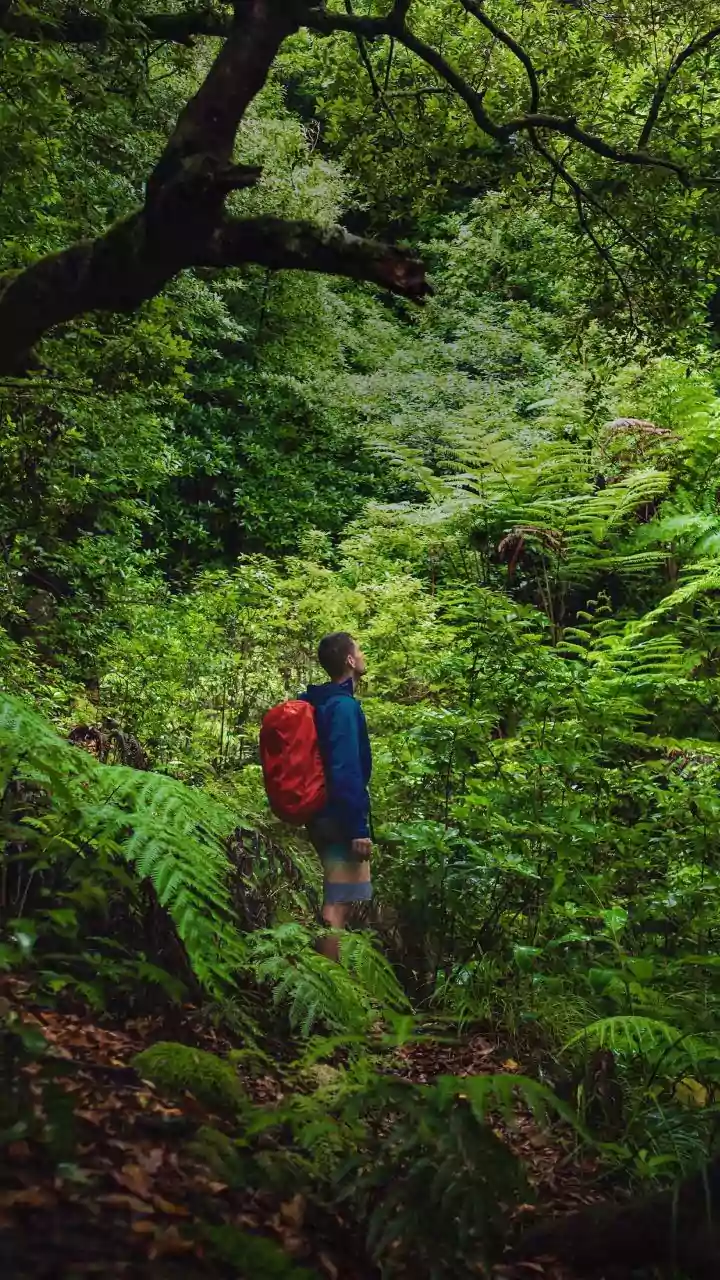
A rainy safari requires specific preparation. First, embrace getting wet. Pack quick-drying clothes in earthy colours and a reliable waterproof jacket. Waterproofing for your camera gear and binoculars is non-negotiable. Leeches are an unavoidable part of the monsoon jungle experience, so invest in a good pair of leech-proof socks or carry a small pouch of salt or tobacco powder. Sturdy, waterproof footwear with good grip is essential for slippery trails. Finally, book your safaris and accommodation well in advance. While it's the off-season, availability can still be limited in the few parks that remain open, and you don’t want to be caught out by last-minute planning.