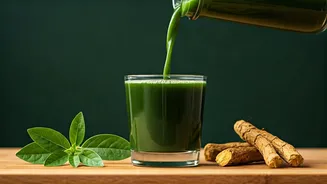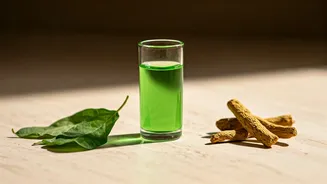








Understanding the 'Destroyer of Weakness'
Before you start digging in the dirt, it helps to know what you’re growing. Ashwagandha, or *Withania somnifera*, is a cornerstone of Ayurveda, the traditional system of medicine from India. Its Sanskrit name translates roughly to 'smell of the horse,'
referring both to the root’s distinct odor and the belief that it imparts the strength and stamina of a stallion. While that may be ancient marketing, modern science has taken a serious look at the herb, classifying it as an adaptogen. Adaptogens are natural substances thought to help the body adapt to stress by modulating our physiological responses. The primary focus of research has been on ashwagandha's potential to lower cortisol, the body’s main stress hormone. Some studies suggest it can help reduce feelings of stress and anxiety, which are often major drivers of exhaustion.
The Appeal of a Home Grown Herb
You can easily buy ashwagandha powder or capsules online, so why bother growing it? For many, the answer lies in connection and control. Tending to a plant from seed to harvest creates a unique relationship with your wellness routine. It’s a mindful practice in itself. More practically, growing your own gives you complete transparency. You control the soil, you know it’s free of pesticides, and you can ensure it’s harvested at peak potency. The plant itself is a hardy, perennial shrub with small, bell-shaped flowers and orange-red berries, making it a fairly attractive addition to a garden bed or a large patio container. It’s part of the nightshade family, like tomatoes and peppers, which gives a clue to its growing needs.
From Seed to Sprout: Growing Your Own
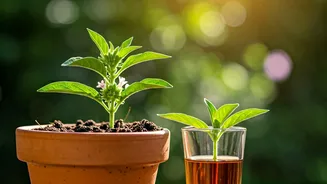
Ashwagandha is surprisingly adaptable for U.S. growers. It thrives in hot, relatively dry conditions, similar to its native climate in India and the Middle East. If you live in USDA hardiness zones 8 or warmer, you can grow it as a perennial. In cooler climates, it’s best treated as an annual. Start seeds indoors about six weeks before your last frost, just as you would with tomatoes. Once the danger of frost has passed, transplant seedlings to a sunny spot with well-draining soil. The plant isn’t picky but doesn’t like 'wet feet,' so avoid heavy clay soil that holds too much water. A large container (5 gallons or more) is a great option, as it ensures good drainage and makes harvesting easier. Water it regularly until established, after which it becomes fairly drought-tolerant.
Harvesting and Preparing the Root
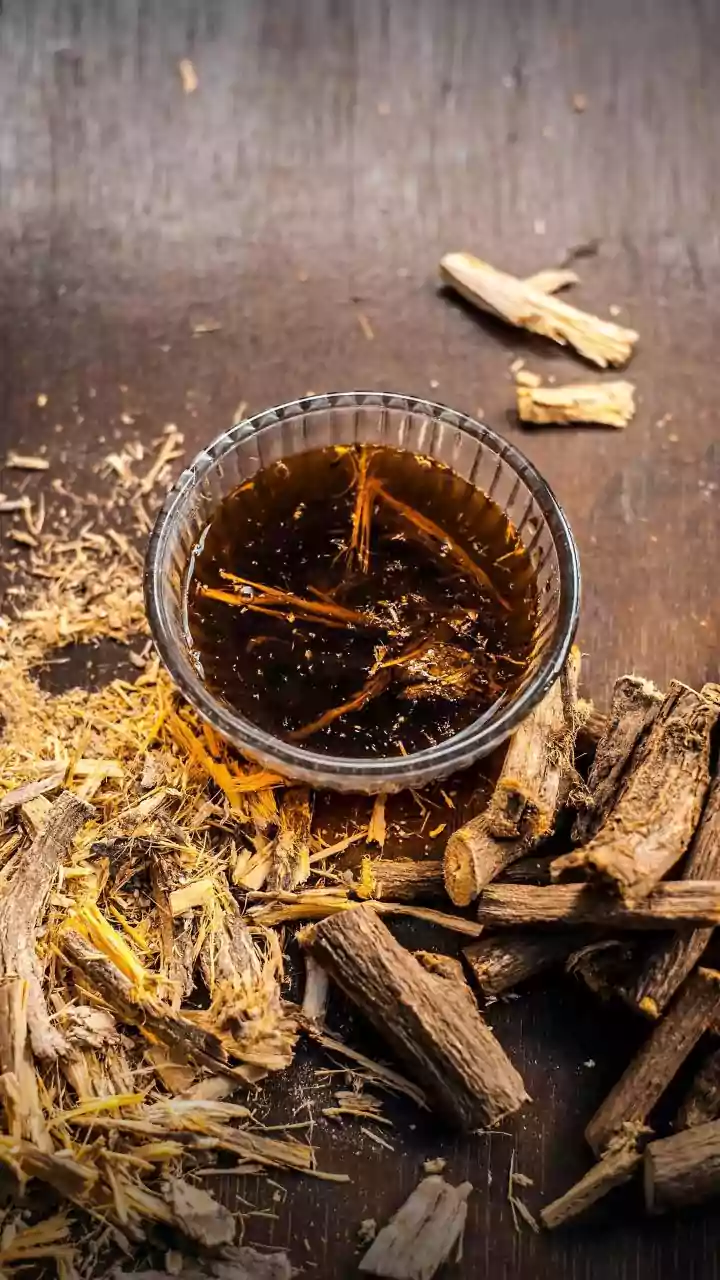
Patience is key. The medicinal value is in the root, which needs time to mature. The ideal harvest time is in the fall, after about 150-180 days of growth, when the leaves start to yellow and the berries are ripe. To harvest, carefully dig up the entire plant. You can separate the roots from the crown with a sharp knife. Wash them thoroughly to remove all soil, then chop them into smaller, more manageable pieces to aid in drying. The traditional method is to sun-dry the roots, but for a more controlled approach, you can use a food dehydrator on a low setting or place them on a screen in a warm, dry, well-ventilated area for several days. Once the roots are completely brittle and snap easily, they’re ready. The final step is to grind them into a fine powder using a powerful blender or a dedicated spice grinder. Store your homemade powder in an airtight jar away from light.
Crafting Your Daily Wellness Shot
Now for the reward. A daily wellness shot is a quick way to incorporate your homegrown ashwagandha. The flavor of the powder is quite earthy and bitter, so it’s best paired with strong, pleasant flavors. Start with a small dose—about 1/4 to 1/2 teaspoon of your fresh powder—to see how your body responds. A simple and effective recipe is to mix the powder into two ounces of a flavorful liquid. **Simple Shot Base:** - 1/4 tsp homegrown ashwagandha powder - 1 oz tart cherry juice (for flavor and sleep-supporting melatonin) - 1 oz orange or pineapple juice (for sweetness and vitamin C) - A tiny pinch of black pepper (contains piperine, which may enhance absorption) Shake or whisk vigorously until the powder is fully incorporated. The earthy taste will still be present, but the fruit juice makes it much more palatable. Other great additions include a squeeze of lemon, a dash of ginger juice, or a teaspoon of raw honey.