





What is the Hidden Lotus Pose?
The Hidden Lotus Pose, known in Sanskrit as Gupta Padmasana or Baddha Padmasana (Bound Lotus Pose), is an advanced seated posture. It begins in the classic Lotus Pose (Padmasana), where each foot is placed on the opposite thigh. From there, the practitioner
reaches both arms behind their back to grasp the opposite big toe, creating a 'bound' or 'locked' position. This intricate posture requires an exceptional degree of flexibility not just in the hips, but also in the knees, ankles, and shoulders. It’s a pose that symbolises the culmination of dedicated practice, combining deep hip opening with a challenging shoulder bind.
The Physical and Mental Benefits
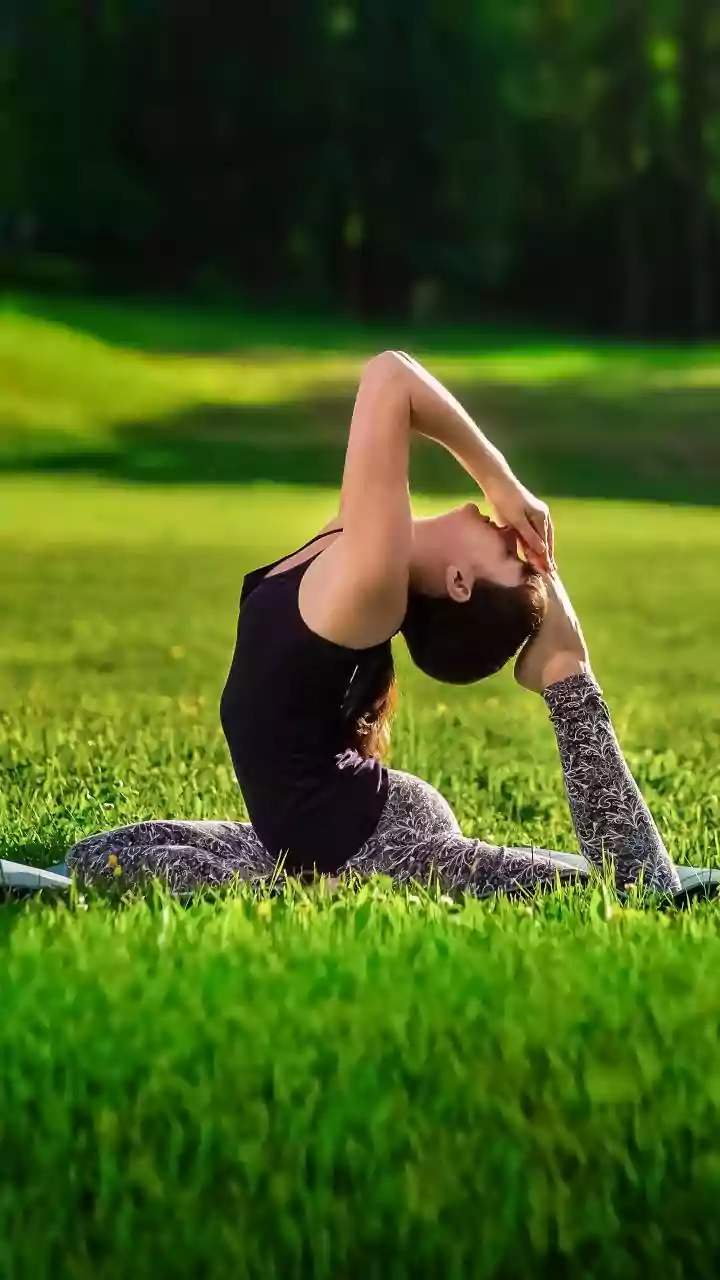
Beyond the visual impressiveness, advanced poses like Baddha Padmasana offer a wealth of benefits. Physically, it provides a deep stretch to the hips, knees, and ankles while significantly opening up the chest and shoulders. This can help improve posture, counteracting the hunching effect of prolonged sitting. Proponents also claim it stimulates digestive organs and enhances blood circulation throughout the body. Mentally, the level of focus required to hold such a pose is immense. It encourages deep concentration and controlled, rhythmic breathing, which helps calm the nervous system, reduce stress, and foster a meditative state of mind. Achieving such a pose can also be a powerful tool for building self-confidence and mental fortitude.
A Journey, Not a Destination
The allure of a complex pose can be strong, but it's crucial to understand that these asanas are not for beginners. Forcing your body into an advanced posture without adequate preparation can lead to serious injury, particularly to the knees, hips, and shoulders. The journey toward a pose like the Hidden Lotus is built on a foundation of patience and consistent practice. The 'role' of an advanced pose in one's yoga journey is not just to be achieved, but to serve as a guidepost for progress. It highlights areas of tightness and weakness, teaching the practitioner about their own body. The process of working towards it—not the final execution—is where much of the learning and benefit lies.
Safely Building Flexibility
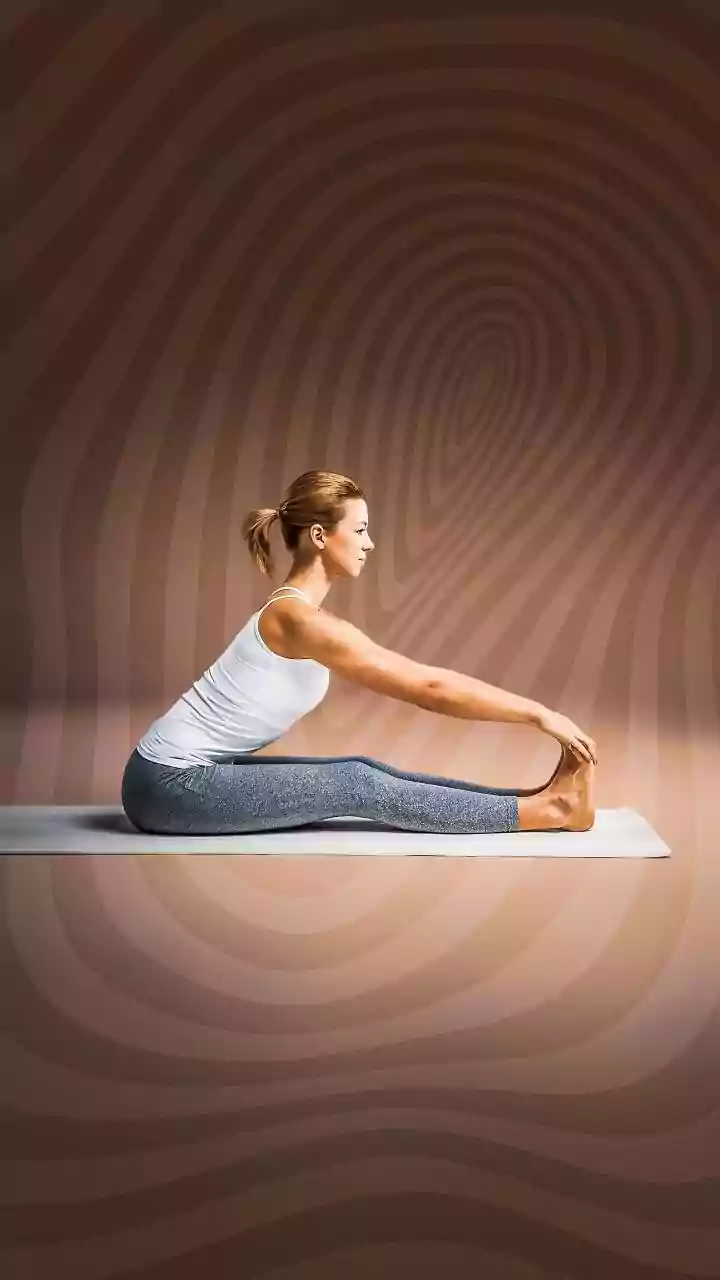
Progressing toward advanced flexibility must be done mindfully and with respect for your body's limits. The key is to work on foundational poses that gradually open the necessary joints. For Baddha Padmasana, a practitioner must first be completely comfortable in the basic Lotus Pose (Padmasana) without any knee pain. Preparatory poses are essential. Poses like Baddha Konasana (Bound Angle Pose), Agnistambhasana (Fire Log Pose), and Gomukhasana (Cow Face Pose) are excellent for opening the hips. Similarly, shoulder flexibility can be improved with stretches where you clasp your hands or elbows behind your back. It is always recommended to practice under the guidance of a qualified yoga instructor who can provide personalised modifications and ensure your alignment is safe.