







Beyond a Simple Vacation
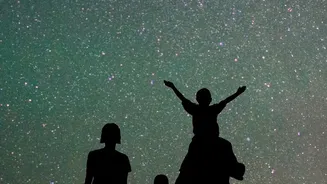
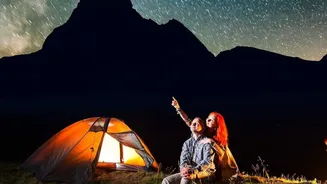
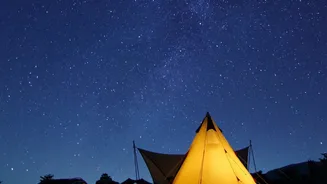
Dark-sky tourism, or astrotourism, is travel for the express purpose of seeing the stars. It involves journeying to locations with minimal light pollution, such as certified Dark Sky Parks and Sanctuaries, to witness the Milky Way, constellations, and meteor
showers in their full, unobscured glory. This is not about five-star hotels or packed itineraries. Instead, it is a deliberate stripping away of modern distractions to connect with something ancient and immense. It transforms the night sky from a mere backdrop into the main event, offering a powerful antidote to our screen-saturated lives. This form of travel prioritises experience over extravagance, quiet awe over noisy entertainment, making it a powerful draw for those feeling overwhelmed by the digital age.
An Antidote to Urban Burnout
For many young people living in the constant hustle of metropolitan India, life is a treadmill of deadlines, notifications, and social pressures. The relentless pace can lead to burnout, anxiety, and a feeling of disconnection from the natural world. Dark-sky tourism offers a genuine escape. Staring into the vastness of the cosmos provides a sense of perspective that can make earthly worries feel small and manageable. This act of looking up is inherently mindful; it forces you to be present, to breathe, and to simply observe. It’s a form of meditation that doesn’t require an app or a guided class, tapping into a primal sense of wonder that is often dormant in city life.
India’s Emerging Celestial Havens
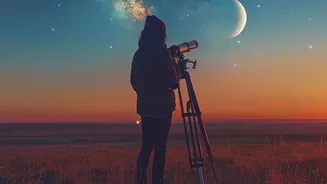
This global trend is finding firm footing in India. The establishment of the Hanle Dark Sky Reserve in Ladakh marks a significant milestone, creating the country’s first officially protected celestial landscape. But the options extend beyond this high-altitude desert. The remote valleys of Spiti, the salt flats of the Rann of Kutch, and secluded spots in the Western Ghats and Coorg offer breathtaking stargazing opportunities. Tour operators and local homestays are increasingly catering to this new breed of traveller, offering guided astronomy sessions, astrophotography workshops, and simple, comfortable stays that put the focus squarely on the sky above. These destinations are becoming sanctuaries for those seeking silence and stars.
The Search for Authentic Connection
Unlike many conventional travel experiences that can feel commercialised and curated for social media, stargazing is deeply personal and authentic. While the photos can be spectacular, the core experience is internal. It is about the feeling of humility and awe inspired by the scale of the universe. For a generation raised online, where experiences are often mediated through a screen, this unfiltered connection to nature is revolutionary. It offers a story that is not just about 'being there' but about 'feeling something real'. This search for authenticity is a powerful driver, pushing young travellers to seek out experiences that offer genuine emotional and psychological rewards, rather than just a checklist of sights.
A Mindful Shift in Travel
Ultimately, the rise of dark-sky tourism among urban youth signifies a broader shift in values. It reflects a growing desire to slow down, disconnect from technology, and reconnect with the natural world and, by extension, with oneself. It is a move away from consumptive travel towards conscious travel, where the destination’s ecological integrity is part of the appeal. By choosing to visit and protect dark-sky places, travellers are not just taking a holiday; they are making a statement. They are advocating for a world where the wonder of a star-filled night is considered a precious natural resource worth preserving for future generations.