


The Exam That Defines a Future
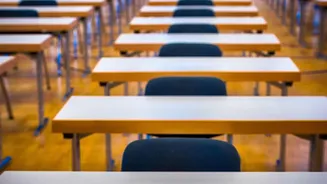
Known locally as 'Suneung', the College Scholastic Ability Test (CSAT) is an intense, nine-hour marathon that over half a million high school seniors and repeat-takers sit for annually. In a nation where social and economic mobility has long been tied
to the prestige of one's university, the Suneung is seen as the single most important event in a young person's life. The results can determine not just university admission, but future career paths, social standing, and even marriage prospects. This immense pressure is the reason an entire country mobilizes to ensure the day goes off without a hitch, culminating in a shared national rite of passage that fascinates international observers.
A Nation on the Move, Then Silent
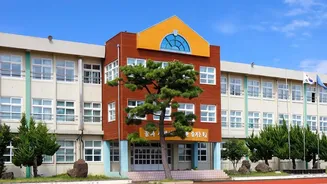
To prevent any student from being disadvantaged by traffic, the government implements extraordinary measures. Public offices, major businesses, and even the stock market are asked to open an hour later to clear the roads during the morning rush. Police cars and motorcycles are put on standby to provide emergency escorts for students running late, a common sight on exam morning. Train operators are instructed to reduce speed and avoid using horns when passing near any of the nation's 1,300-plus test centers to minimize noise. This massive logistical effort ensures that every student has a fair chance to arrive on time and sit the exam in a controlled environment.
Silence in the Skies
Perhaps the most dramatic measure is the nationwide grounding of flights. For a 35-minute period in the early afternoon, timed to coincide with the English listening comprehension section of the exam, all takeoffs and landings at every airport in South Korea are suspended. Aircraft already in the air are required to maintain an altitude of at least 3,000 meters (about 10,000 feet) to ensure their noise does not reach the ground. This affects scores of flights, which must be rescheduled. The measure is taken because many of the listening questions are played only once, and a passing jet could easily obscure a crucial detail, potentially altering a student's final score and, by extension, their future. Military exercises are also paused.
A New Battle Against High-Tech Cheating
This year, the traditional challenges of Suneung day were compounded by a new threat: artificial intelligence and sophisticated cheating devices. Spurred by a recent scandal where the top scorer of a tax accountant exam admitted to using a micro-camera and AI, authorities rolled out unprecedented anti-cheating measures. Proctors were trained to inspect eyeglasses for hidden cameras and place stickers over clothing buttons to block miniature lenses. In a more drastic move, the government sent out nationwide emergency alerts to all mobile phones—which are designed to sound even on silent mode—to catch any devices that students failed to hand in. This led to dozens of students being caught. Those found cheating face a potential 10-year ban from retaking the exam and criminal prosecution.
The Human Element of a National Obsession
Beyond the logistics and security, Suneung day is a deeply human event. Outside test centers, parents gather for hours, many praying at nearby temples and churches for their children's success. Younger students often form cheering squads at school gates, holding banners and chanting messages of support for their seniors. The day is filled with superstitions, from giving sticky rice cakes called 'yeot' for good luck (so knowledge will 'stick') to avoiding slippery foods like seaweed soup. While the exam is a source of immense stress and has been linked to high rates of depression among teenagers, it is also a day of incredible national solidarity, when an entire society rallies behind its next generation.