





The Perfect Pairing: Macrame and Vines
There's a reason why the combination of macrame and trailing plants is a timeless favourite in home decor. The intricate, knotted texture of macrame, often made from natural materials like cotton or jute, provides a soft, bohemian contrast to the vibrant
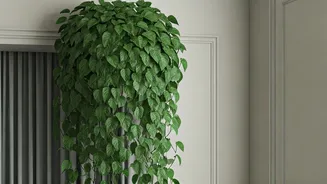
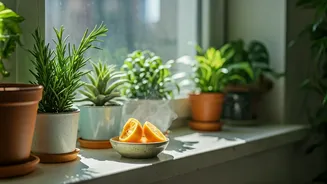
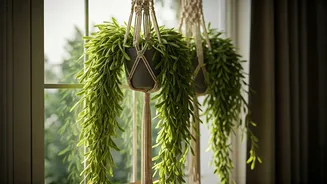
green of plant life. [4, 9] This pairing does more than just look good; it's a practical way to bring the outdoors in, especially in smaller spaces where floor and shelf space is at a premium. [1] By hanging plants in a window, you give them access to the ample light they need to thrive while creating what can feel like a living curtain of greenery. This method maximises visual interest and turns a simple window into a dynamic focal point. [1, 3]
Choose Your Cascading Champions
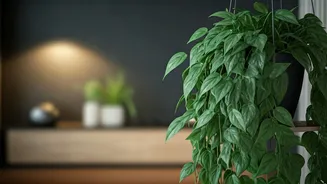
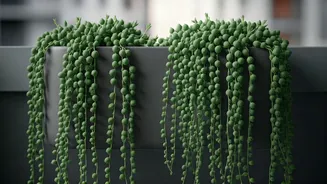
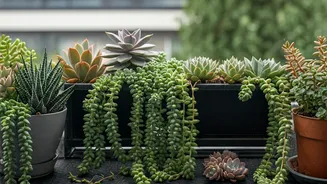
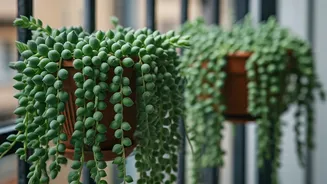
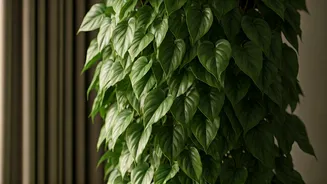
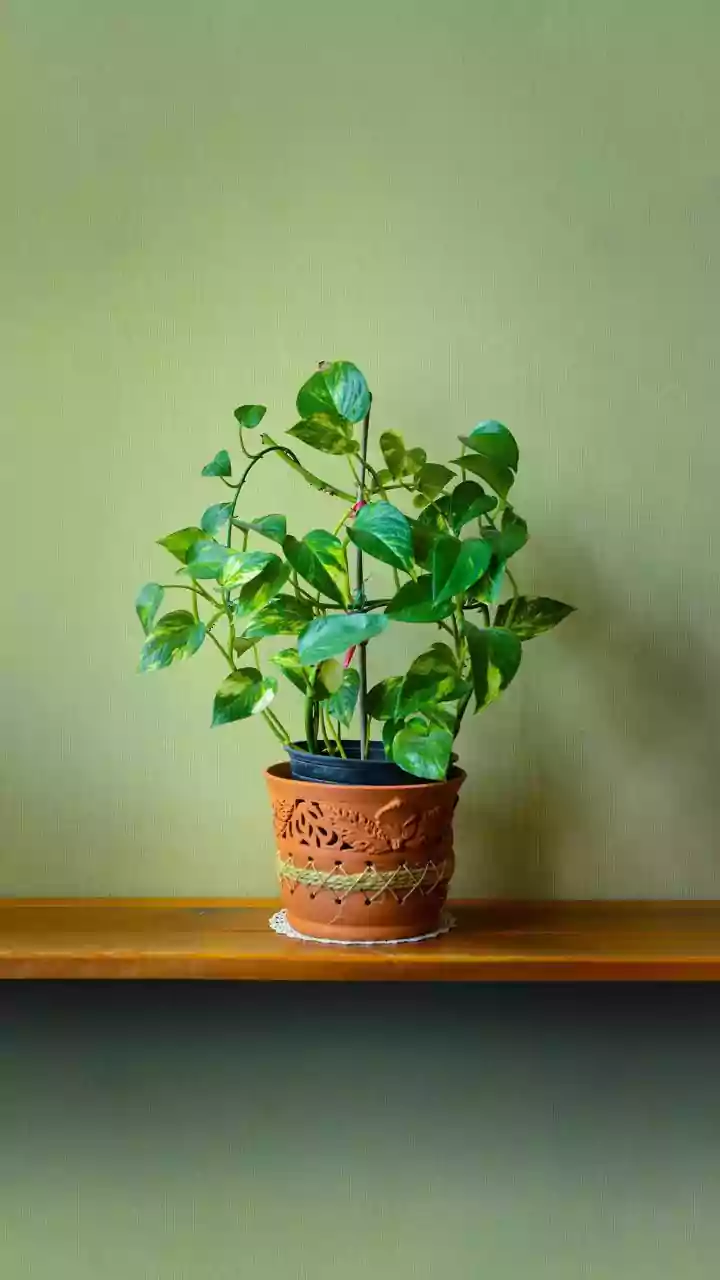
The key to a stunning window display is choosing plants that love to trail. Pothos (Epipremnum aureum), with its hardy nature and heart-shaped leaves, is a fantastic choice for beginners as it thrives in various light conditions. [2] Similarly, the Heartleaf Philodendron offers a reliable and elegant cascade of green. [6] For a fuller, more textured look, consider a Boston Fern, whose feathery fronds add volume and a touch of the tropics. [2, 13] If you're after something more delicate, the String of Hearts or String of Pearls offer whimsical, bead-like vines that create a beautiful waterfall effect. [6] Spider Plants are another classic, known for sending out baby plantlets that dangle charmingly from the main pot. [2, 13] When choosing, consider the light your window receives to ensure your green friends will be happy in their new home. [12]
Select the Right Hanger
Macrame hangers come in a vast array of styles, from simple and modern to intricate and heavily tasselled. [4] The material is a key consideration; cotton cord offers a soft, flexible hold, while jute provides a more rustic, earthy feel. [9] The most important factors are the size and weight of your pot. Ensure the hanger is sturdy enough to support your plant securely. Hangers are designed for different pot diameters, so check the product specifications. The length of the hanger also matters. A longer hanger will position the plant lower, while a shorter one keeps it closer to the ceiling. Consider grouping hangers of different lengths to create a layered, dynamic look. [6]
How to Hang Your Planter Securely
Proper installation is crucial for safety. The most secure method is to screw a hook directly into a ceiling joist. You can locate a joist using a stud finder. [8] If a joist isn't available in your desired location, a spring toggle hook is an excellent alternative for drywall ceilings. [5, 24] These toggles have wings that spring open once pushed through a drilled hole, bracing against the inside of the ceiling to distribute the weight. [23] Always check the weight capacity of your hook to ensure it can support your plant, pot, and the added weight of water after a thorough soak. [8, 17] For a less permanent option, a sturdy, well-installed curtain rod can also be used to hang lighter plants. [3] Before hanging, give the hook a firm tug to test its stability.
Styling Your Living Window Display
Once your first plant is up, the creative fun begins. Think beyond a single, central hanger. Grouping two or three hangers at staggered heights creates a professional, layered effect and a more lush, jungle-like feel. [6, 19] Play with different textures by mixing a leafy Pothos with a feathery Fern or the unique leaves of a Monstera Adansonii. [6] For a unified look, you can use pots of the same colour or material. Alternatively, mix and match pots for a more eclectic, bohemian vibe. As your vines grow, you can gently guide them to frame the window, creating a natural archway of green that adds depth and beauty to your room. Remember to rotate your plants weekly to ensure all sides get light for even growth. [21]