


Flat-Leaf vs. Curly: Choose Your Hero
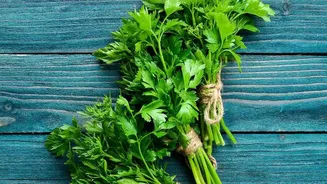
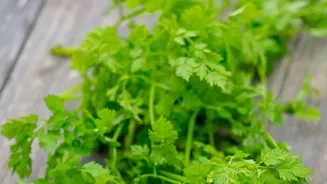
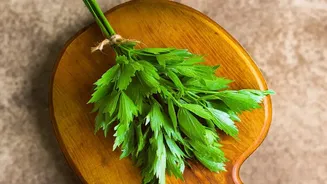
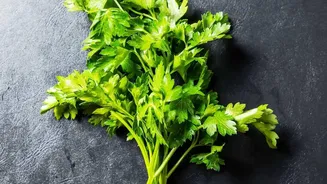
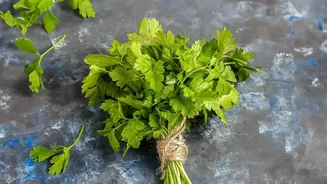
Before you even pick up a knife, it's worth knowing that not all parsley is created equal. The two most common varieties are flat-leaf (or Italian) parsley and curly parsley. Flat-leaf parsley has a more robust, peppery, and grassy flavour, making it the
preferred choice for cooking and for when you want the herb's taste to be a distinct component of the dish. Its leaves are also softer and easier to chop. Curly parsley, with its ruffled, crunchy texture, has a milder flavour. While it fell out of fashion after decades as a default plate decoration, its texture and subtle freshness can still bring a pleasant quality to soups, especially when you want a hint of green without an overpowering taste.
The Perfect Chop: Maximizing Fresh Flavour
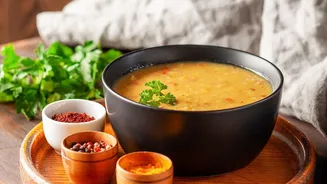
How you prepare parsley matters. For a classic garnish, the goal is to release the herb's essential oils without turning it into a bruised, mushy paste. Use a very sharp knife to finely chop the clean, dry leaves. To keep the flavour bright and the colour vibrant, it's best to add freshly chopped parsley at the very end of cooking or just before serving. Sprinkling it over a hot soup right in the bowl allows the heat to gently warm the leaves, releasing their aroma. This technique works beautifully on almost any soup, from a hearty lentil or potato leek soup to a classic chicken noodle.
Gremolata: A Zesty Italian Topping
To take your garnish game to the next level, look no further than gremolata. This classic Italian condiment is a powerful flavour bomb made from just three core ingredients: finely chopped flat-leaf parsley, minced fresh garlic, and bright lemon zest. Simply mix them together in a small bowl; some variations add a touch of olive oil and salt to create a looser sauce. A spoonful of gremolata adds a burst of freshness and a zesty kick that can cut through the richness of creamy or brothy soups. It's an exceptional topping for minestrone, bean soups, and roasted vegetable purées.
Vibrant Parsley Oil: An Elegant Drizzle
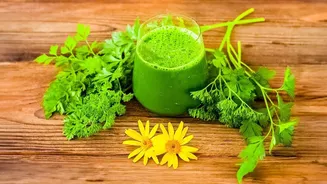
For a visually stunning and flavourful finish, a drizzle of bright green parsley oil is hard to beat. Creating an infused oil captures the essence of the herb in a smooth, elegant form. A common technique involves briefly blanching the parsley in boiling water and then immediately plunging it into an ice bath. This step helps set the vibrant green colour. After squeezing out all excess water, the parsley is blended with a neutral or olive oil until smooth. The resulting oil can be used as is or strained through a fine sieve for a clearer consistency. A few drops swirled over a creamy white soup, like potato, cauliflower, or parsnip, adds a professional touch and a subtle, fresh flavour.
Perfect Pairings: Soups That Love Parsley
While parsley is versatile, it sings brightest when paired with certain flavours. Its clean, slightly peppery notes are a natural match for earthy and hearty soups. Consider a generous garnish on: Potato and Leek Soup: The parsley cuts through the creamy richness.; Lentil or Bean Soups: Its freshness brightens up the earthy legumes.; Carrot Soup: Parsley provides a lovely green contrast and flavour counterpoint to the carrot's sweetness.; Chicken or Vegetable Broth: It adds a layer of fresh, herbaceous flavour to a simple, clear soup.; Tomato Soup: The green notes balance the acidity of the tomatoes beautifully. Don't be afraid to use the stems, either; they have a more intense flavour and can be added to the soup base during cooking and removed before serving.