




Why Monsoon Demands Extra Paw Care
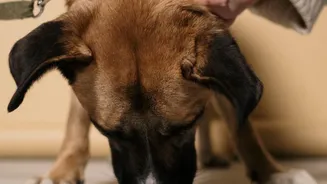
After every walk in the rain, your dog’s paws track in more than just mud. The constant exposure to dampness makes the sensitive skin between their toes and pads a prime target for fungal and bacterial infections. This can lead to painful conditions often
called 'wet paw disease', causing redness, itching, swelling, and a distinct foul odour. Trapped moisture from walking through puddles and wet grass creates the ideal warm, humid environment for yeast and other fungi to multiply, leading to significant discomfort. Making a quick paw check and clean-up a non-negotiable part of your daily routine is the first line of defence against these common monsoon ailments.
The Daily Paw Cleaning Routine
A simple, consistent routine after every walk can prevent most paw-related issues. Start by having a dedicated towel near the door. Gently wipe each paw, making sure to clean between the toes where mud and debris get lodged. For very muddy paws, a shallow basin of lukewarm water or pet-safe antiseptic wipes are effective. The most critical step is to dry the paws thoroughly. Trapped moisture is the primary cause of infections, so pay extra attention to drying the skin between the pads. While cleaning, inspect for any cuts, redness, or thorns. For long-haired breeds, trimming the fur between the paw pads can also help reduce the buildup of mud and moisture.
Battling Ticks and Fleas in High Humidity
Monsoon season is peak season for ticks and fleas. These parasites thrive in the warm, humid conditions and can transmit serious illnesses like Tick Fever, which includes diseases like Ehrlichiosis and Babesiosis. These conditions can cause lethargy, fever, loss of appetite, and anemia. Because of the heightened risk, a daily tick check is essential. Run your hands over your dog's entire body, paying close attention to their ears, neck, armpits, and between their toes. Fleas are harder to spot, but excessive scratching and small black specks in the fur (known as 'flea dirt') are tell-tale signs. Consistent prevention is key, as an infestation can quickly spread within the home.
Your Tick and Flea Prevention Strategy
During the monsoon, relying on checks alone is not enough. It's crucial to continue your dog's regular tick and flea prevention schedule without any gaps. There are many effective options available in India, including monthly spot-on treatments and oral chewable tablets. Always consult your veterinarian to choose the best and safest product for your dog based on their age, breed, and health status. While some natural repellents exist, their efficacy can be limited during the high-risk monsoon months. Alongside preventative medication, keeping your home environment clean by regularly washing your dog's bedding and vacuuming carpets helps eliminate any parasites that might have been brought indoors.
Beyond Paws: Holistic Monsoon Wellness
While paws and pests are primary concerns, overall hygiene is just as important. A damp coat is a leading cause of skin infections, so ensure your dog is dried thoroughly after any exposure to rain, paying special attention to their belly and any skin folds. However, avoid over-bathing, which can strip the skin of its natural protective oils. Another significant risk is water-borne diseases like Leptospirosis, a serious bacterial infection spread through contaminated water. Always provide your dog with clean, fresh drinking water and prevent them from drinking from puddles or stagnant pools during walks.