
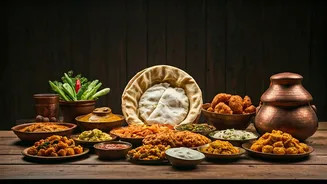


What Makes Keralan Food Different?
Keralan cuisine stands apart from other Indian regional foods. Instead of the heavy cream and butter common in the north, it relies on the bounty of its coastal and tropical landscape. The holy trinity of Keralan cooking is coconut, rice, and local spices.
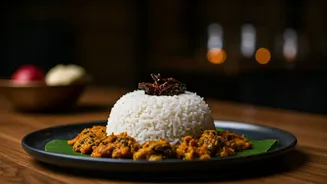
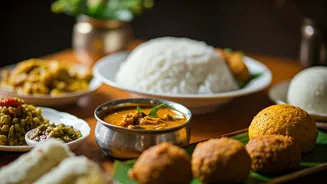
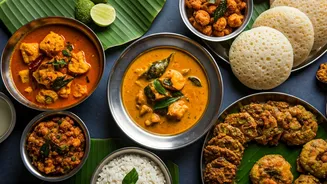
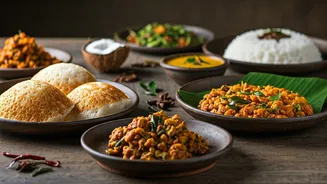
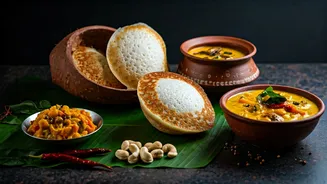
Coconut is the undisputed star, used in every form imaginable: milk for creamy stews, oil for tempering spices, and grated flesh for texture in vegetable dishes and chutneys. Rice is the staple grain, not just served alongside curries but also transformed into a stunning variety of pancakes and breads like the lacy *appam* (fermented rice pancake), string hoppers called *idiyappam*, and steamed rice cakes known as *puttu*. This reliance on rice and coconut creates a profile that is lighter and distinct from wheat-heavy northern diets.
A Symphony of Flavours and Spices
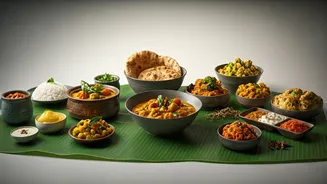
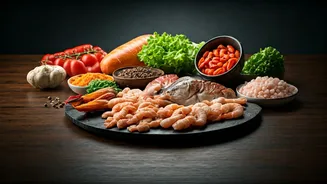
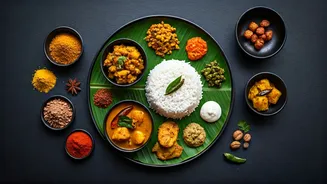
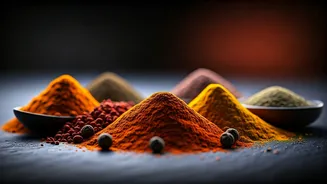
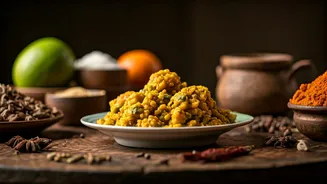
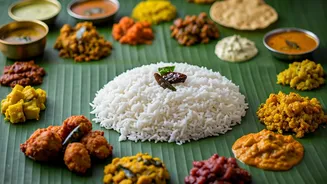
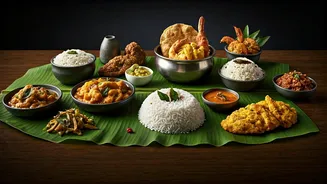
Known for millennia as the 'Land of Spices', Kerala’s history is steeped in the trade of black pepper, cardamom, cloves, and cinnamon. This heritage is tasted in every bite. Unlike the fiery heat of some Indian cuisines, Keralan food is about balance and layered aromatics. Signature dishes showcase this beautifully. *Meen Moilee* is a gentle fish stew, simmered in coconut milk with subtle spices, perfect for those new to the cuisine. The *Malabar Parotta*, a flaky, layered flatbread, is the perfect vehicle to scoop up a flavourful beef fry or chicken curry. For vegetarians, the *Sadya* is the ultimate feast—a banquet of 20 or more dishes served on a banana leaf, featuring everything from lentil stew (*parippu*) and mixed vegetable coconut curry (*avial*) to various pickles and a sweet dessert (*payasam*). This sheer variety reflects the state's cultural diversity, with influences from Hindu, Christian, and Muslim (Mappila) culinary traditions.
The Modern Appeal: Health and Authenticity
A major reason for Kerala's rising popularity is its alignment with modern wellness trends. The cuisine naturally incorporates many elements that health-conscious diners seek. The emphasis on steaming—as seen in dishes like *idli* and *puttu*—and minimal use of oil makes it a lighter choice. Fermented foods like dosa and appam are rich in probiotics and great for gut health. The extensive use of spices like turmeric, curry leaves, and black pepper adds antioxidant and anti-inflammatory properties. As global palates move beyond monolithic “Indian food” and seek out authentic, regional experiences, Kerala offers a compelling story and a flavour profile that feels both ancient and incredibly current. Food intelligence platforms have even identified Keralan cuisine as one to watch, noting its veggie-forward dishes and unique spices are sparking interest.
From God's Own Country to the Global Stage
The evidence for Kerala's 'moment' is growing. Michelin-starred restaurants like Quilon in London have long celebrated the cuisine of India's southwest coast. More recently, new-wave restaurants from New York to Leeds are gaining acclaim for their authentic Keralan dishes, moving beyond the standard fare. Tharavadu in Leeds has earned Michelin guide mentions and become a favourite of visiting Indian cricket stars. This global recognition is also echoed by major travel publications like Lonely Planet, which recently highlighted the culinary traditions of Kerala as a top global experience. This growing visibility in international food media and the rise of culinary tourism in the state itself are bringing its unique dishes to a wider, more curious audience than ever before.