


A Universe Beyond Mango and Lime
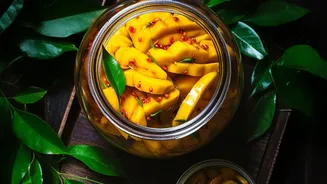
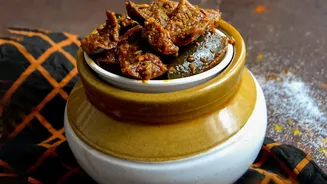
When you picture an Indian pickle, it is likely the ubiquitous mango (aam) or lime (nimbu) achar that comes to mind. While these are beloved staples for good reason, they represent only a tiny fraction of India's immense pickling heritage. The diversity
is staggering, reflecting the unique produce of each region. In the Northeast, you will find pungent pickles made from bamboo shoots and the fiery Bhut Jolokia chilli. Head to Rajasthan, and you might encounter pickles made from desert berries and beans like ker and sangri. Coastal areas like Goa and Kerala offer a taste of the sea with prawn and fish pickles, while the Himalayas contribute unique varieties made from ingredients like lotus stems and fern shoots. This incredible variety means there is a pickle for every palate, from the sweet and sour Gujarati chundo to the tangy gongura (sorrel leaf) pickle of Andhra Pradesh.
A Taste of Tradition and Terroir
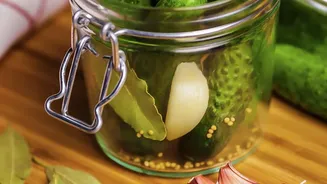
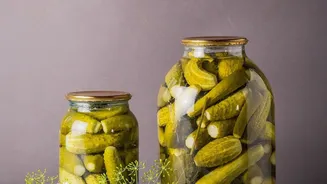
Achar is much more than a preserved food; it is a cultural artifact preserved in a jar. Historically, pickling was a practical necessity to preserve seasonal produce, ensuring food was available during lean times like the monsoon. Over centuries, this practice evolved into an art form. Pickle-making is often a communal or family activity, with secret recipes passed down through generations, connecting families to their culinary roots. Each jar tells a story about a specific place—its climate, its harvest, and its history. The choice of oil (mustard in the North, sesame in the South), the blend of spices, and the primary ingredient all create a unique taste profile that is a direct reflection of its origin.
The Probiotic Powerhouse
In an era of growing interest in gut health, traditional Indian pickles offer a compelling benefit. Many are not made with vinegar but are naturally fermented in brine and sunlight. This age-old process encourages the growth of beneficial bacteria, such as Lactobacillus, making these pickles a natural source of probiotics. These live cultures can help improve digestion, strengthen the immune system, and maintain a healthy gut microbiome. Spices commonly used in pickles, like turmeric, fenugreek, and mustard seeds, are also packed with antioxidants and anti-inflammatory properties. However, it is important to distinguish between traditionally fermented pickles and their commercial, mass-produced counterparts, which often use vinegar and pasteurization methods that can kill off these beneficial bacteria. Due to their high salt content, pickles are best consumed in moderation as part of a balanced diet.
More Than Just a Condiment
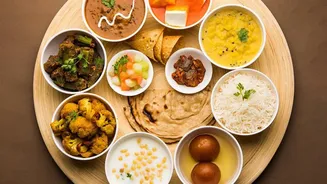
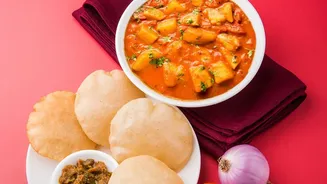
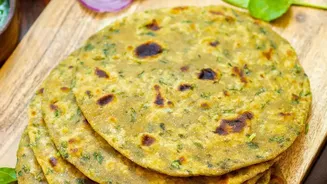
The most common way to eat pickle is as a flavourful sidekick to dal-rice or parathas, but its culinary potential is far greater. It is time to stop thinking of achar as just an accompaniment and start seeing it as a powerful ingredient. The complex, concentrated flavour of pickle can be used as a marinade for chicken, fish, or paneer, infusing them with a spicy, tangy depth. A spoonful of pickle or even just its spiced oil can elevate a simple bowl of noodles, a sandwich spread, or a yogurt-based dip (raita). You can mix it into pulao for an 'achaari' twist or use it to spice up a simple vegetable stir-fry. Using pickles in cooking is a shortcut to adding layers of flavour that would otherwise take hours to build.