


The Craving for Green
Life in India's bustling metropolises is a sensory overload. The constant exposure to noise, screens, and concrete can lead to what many now recognise as urban fatigue. Studies increasingly show that access to natural environments is not a luxury but
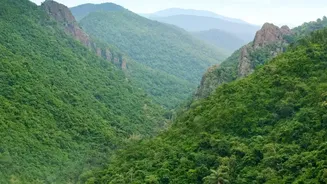
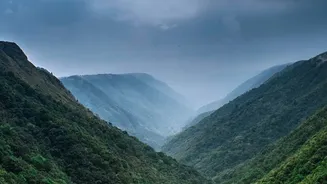
a fundamental component of well-being. Time spent in green spaces can lower stress levels, reduce anxiety, and improve mood. For city dwellers in Mumbai, Bangalore, or Pune, the Western Ghats, a UNESCO World Heritage Site, represent an accessible sanctuary. The call of the mountains is a response to a deep-seated need to disconnect from an artificial environment and reconnect with the natural world, stimulating our senses in a way that urban life cannot.
The Drive as a Mindful Practice
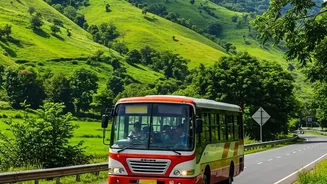
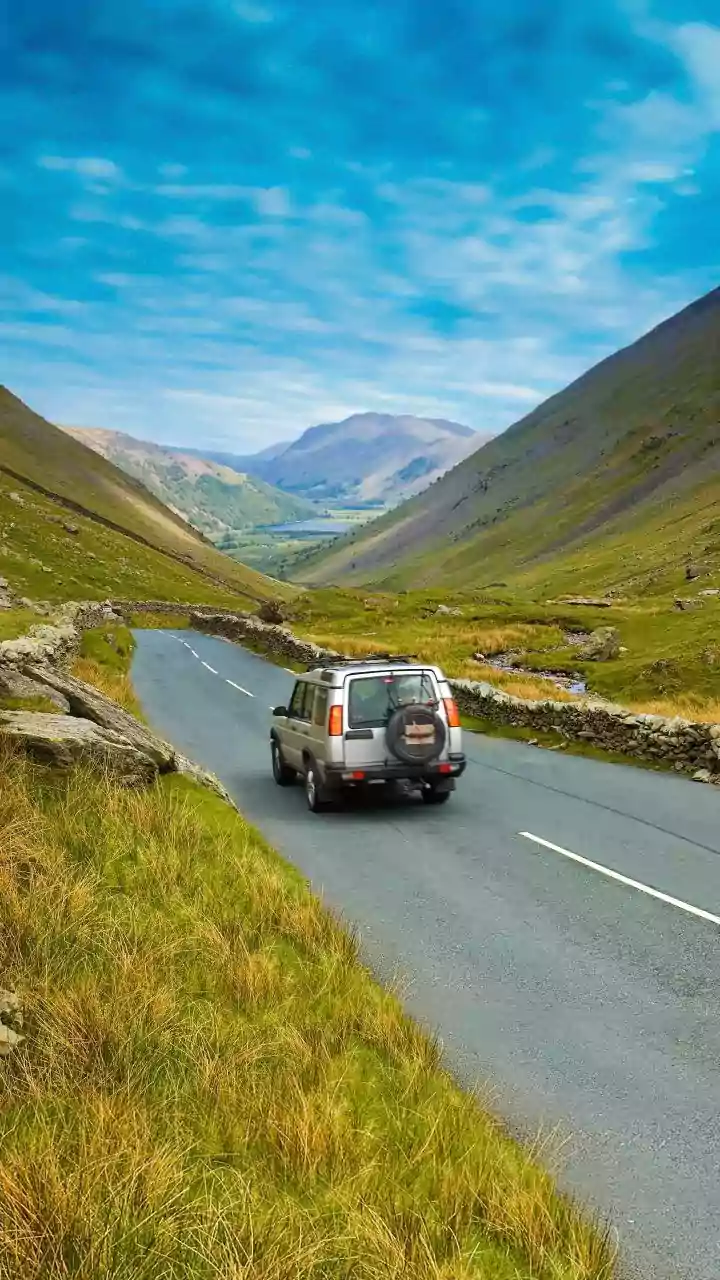
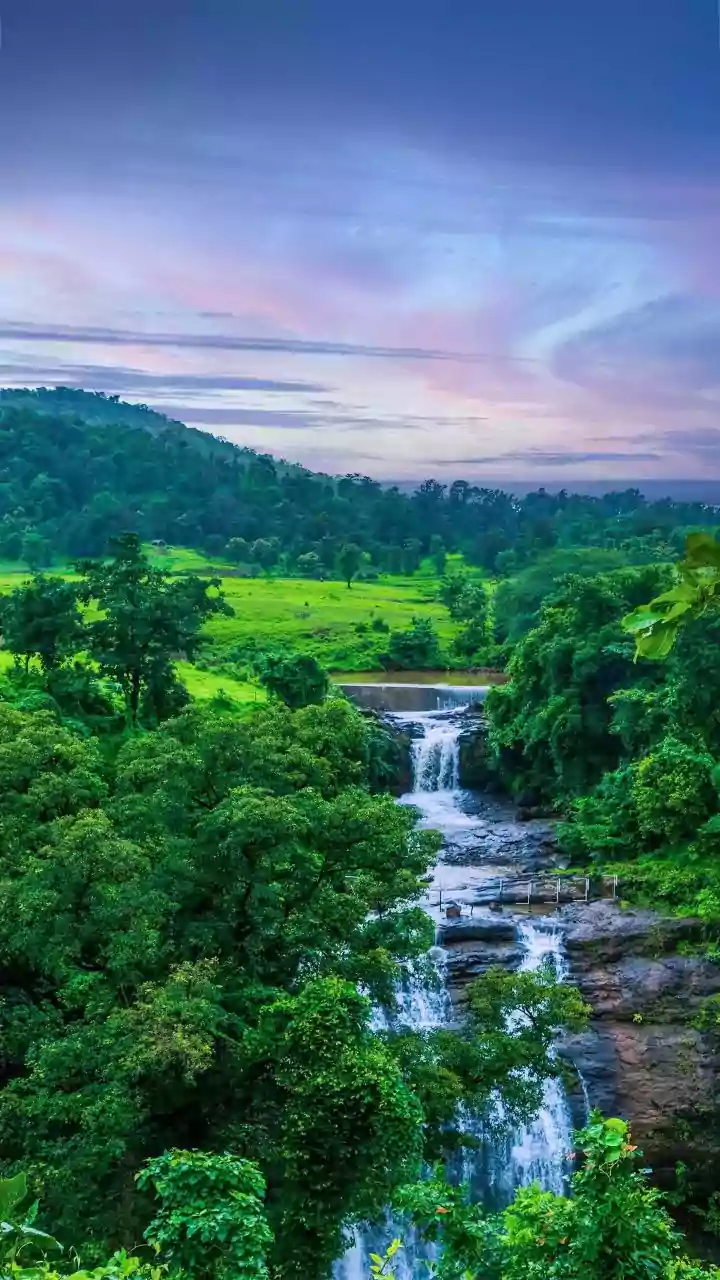
A mindful getaway isn't about reaching a destination as quickly as possible; it’s about transforming the journey itself into a restorative practice. Unlike a typical road trip, a mindful drive encourages you to slow down and engage your senses fully. It means rolling down the windows to smell the petrichor from a sudden shower, to feel the cool, mist-laden air on your skin, and to listen to the soundscape of the forest replacing the city's cacophony. The winding ghat roads demand your full attention, creating a state of active meditation that leaves little room for workday worries. The goal is to be present, observing the shifting light, the dense canopy overhead, and the waterfalls that appear as if from nowhere during the monsoon season.
A Symphony for the Senses
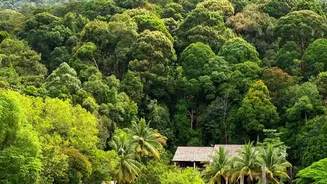
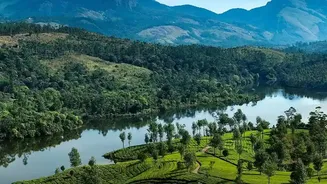
The Western Ghats are one of the world's most biodiverse hotspots, offering a rich tapestry of sights and sounds. A drive here is a journey through changing ecosystems. You might start in the coastal plains and ascend into rolling hills covered with tea and coffee plantations, like those around Munnar, Coorg, or Chikmagalur. Deeper inside, you'll find dense shola forests, home to hundreds of species of birds, butterflies, and rare wildlife like the lion-tailed macaque. The region is a paradise for nature lovers, where every turn reveals a new vista—from the dramatic cliffs of Malshej Ghat near Mumbai to the serene river views in Dandeli. It’s an immersive experience that reminds us of a world operating on a different rhythm.
Charting Your Mindful Escape
Planning a mindful trip is simple. The key is to choose a route that allows for a slow, unhurried pace. For those in and around Mumbai and Pune, the drive through Tamhini Ghat or to Bhandardara offers stunning scenery and opportunities for quiet reflection. From Bangalore, the routes to Coorg, Agumbe, or Wayanad lead you through lush forests and spice plantations. The drive from Kochi up to the tea gardens of Munnar is another classic. To enhance the experience, opt for eco-conscious stays that blend with the natural surroundings. Pack a small picnic, stop at local stalls for a cup of chai, and prioritise experiences over a packed itinerary. The philosophy is to travel slowly and leave places better than you found them. By supporting locally-owned businesses, you contribute to the community and reduce your environmental footprint.
Bringing the Mountains Back Home
The true benefit of a mindful getaway extends beyond the weekend. The calm and clarity gained from immersing yourself in nature can serve as a vital resource upon returning to city life. The sensory memories—the smell of wet earth, the sight of mist rolling over a valley, the sound of a hornbill's call—can be recalled during a stressful day to ground yourself. This practice of reconnection is not about a permanent escape but about building a lasting relationship with the natural world. It's a reminder that tranquility is often just a drive away, and that carrying a piece of that peace back with you is the ultimate souvenir.