





The Meal After Dinner
The traditional three-meal structure is being disrupted. The 'fourth meal' isn't just a random snack; it's a deliberate, often substantial, eating occasion that takes place between 11 pm and 4 am. This phenomenon, once a niche behaviour, has exploded
into a significant economic driver. Over the past year, late-night delivery volumes have doubled, reflecting a fundamental lifestyle shift among urban Indians. This is more than just late-night hunger; it's a scheduled part of the day for a growing population of night owls, powered by an ecosystem of 24/7 delivery apps, quick-commerce platforms, and cloud kitchens.
Meet the Midnight Munchers
At the heart of this trend are India's Gen Z and millennial consumers. Their reasons for ordering late are a mix of modern work-life realities and new entertainment habits. With flexible work hours, a thriving gig economy, and global team collaborations stretching deep into the night, the 9 pm dinner is no longer a fixed milestone. Add to this the culture of binge-watching shows and live-streaming sporting events like the FIFA World Cup, which often air in India's late-night hours, and you have a perfect recipe for a post-dinner meal. For this generation, which has grown up with smartphones and on-demand services, convenience is king, and waiting for food is a thing of the past.
The Digital Infrastructure of Cravings
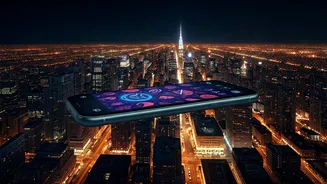
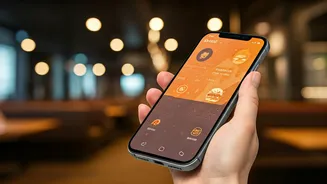
The fourth-meal economy couldn't exist without the technology that underpins it. Food delivery giants like Swiggy and Zomato, alongside quick-commerce players like Blinkit and Zepto, have built the logistical backbone for this 24/7 demand. They have actively encouraged this behaviour by creating dedicated 'late-night cravings' sections and offering post-dinner discounts. This has prompted restaurants to extend their hours, with chains like McDonald's now keeping some outlets open until 3 am in major cities. This symbiotic relationship between platforms and restaurants has turned late-night food from a rare exception into a mainstream, accessible option for millions.
The Rise of the Ghost Kitchen
This nocturnal demand has fuelled the explosive growth of cloud kitchens, also known as 'ghost kitchens'. These are delivery-only restaurants without a physical storefront, designed for maximum efficiency. For restaurant operators, the fourth meal is a golden opportunity to improve asset utilisation; a kitchen that would otherwise sit idle can generate significant revenue during late-night hours with minimal extra staff. This has led to the creation of multi-brand kitchen empires, with some businesses receiving 20-25% of their total orders between 12 am and 4 am. The Indian cloud kitchen market, valued at over a billion dollars, is projected to grow substantially, driven in large part by this after-dark appetite.
What's on the Midnight Menu?
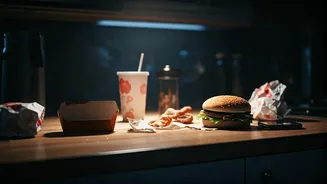
When the clock strikes twelve, Indians are reaching for comfort. The most popular late-night orders are overwhelmingly indulgent and familiar. Biryani and pizza consistently top the charts, with food delivery platforms reporting millions of orders annually for these dishes. Burgers, noodles, and desserts like choco-lava cake also feature heavily. This isn't a time for culinary experimentation for most; it's about satisfying a craving with reliable, comforting favourites. The trend is not limited to metros, with cities like Surat, Patna, and Jaipur showing robust growth in late-night order volumes.