



The Concrete Reality of City Living
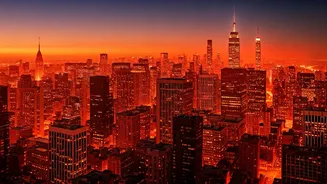
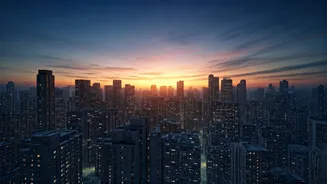
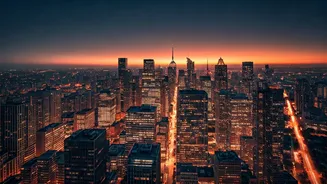
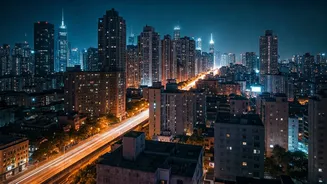
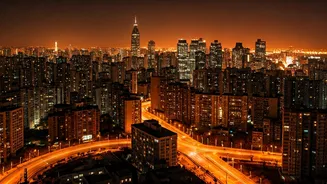
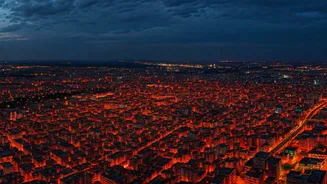
India's cities are growing at a breathtaking pace. But this growth comes at a cost. We are living in 'concrete jungles' that absorb and radiate heat, creating what scientists call the Urban Heat Island effect. Cities like Delhi and Ahmedabad have recorded
scorching temperatures, partly because green spaces and water bodies, which act as natural coolants, are disappearing. The per capita green space in many major Indian cities is far below the World Health Organization's recommendation of 9 square metres. For instance, cities like Chennai and Pune have reported having as little as 0.81 and 1.4 square metres per person, respectively. This lack of greenery doesn't just make our cities hotter; it contributes to air and noise pollution, impacting our daily lives in ways we are only beginning to understand.
More Than Just a Pretty View
Bringing nature into our homes, a concept known as biophilic design, is about much more than aesthetics. It’s about our health. Studies have shown that interacting with natural elements, even just having a few houseplants, can significantly reduce stress, boost mood, and improve cognitive function. Plants are natural air purifiers. They absorb pollutants and release clean oxygen, which is vital in our increasingly polluted urban environments. A NASA study recommends at least one plant per 100 square feet for efficient air cleaning. Furthermore, greenery provides natural cooling. Balcony gardens and green roofs can lower the temperature of a home, reducing the reliance on air conditioning and, in turn, cutting down on electricity bills. Exposure to nature has also been linked to better sleep and a stronger immune system.
From Private Balconies to Community Bonds
The benefits of urban greening ripple outwards from individual homes to the entire community. Green spaces act as social hubs, encouraging interaction and fostering a sense of community. A shared community garden or a well-maintained park becomes a place where neighbours connect. These spaces also create crucial habitats for urban wildlife like birds and butterflies, supporting biodiversity in our cities. On a larger scale, strategic greening helps manage environmental challenges. Green belts can absorb carbon dioxide, while plants and green roofs help manage stormwater runoff, reducing the risk of urban flooding. Government initiatives like the Smart Cities Mission and AMRUT 2.0 aim to integrate such green spaces into urban development, recognising their role in creating resilient and liveable cities.
Your Home, Your Green Sanctuary
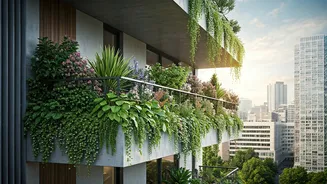
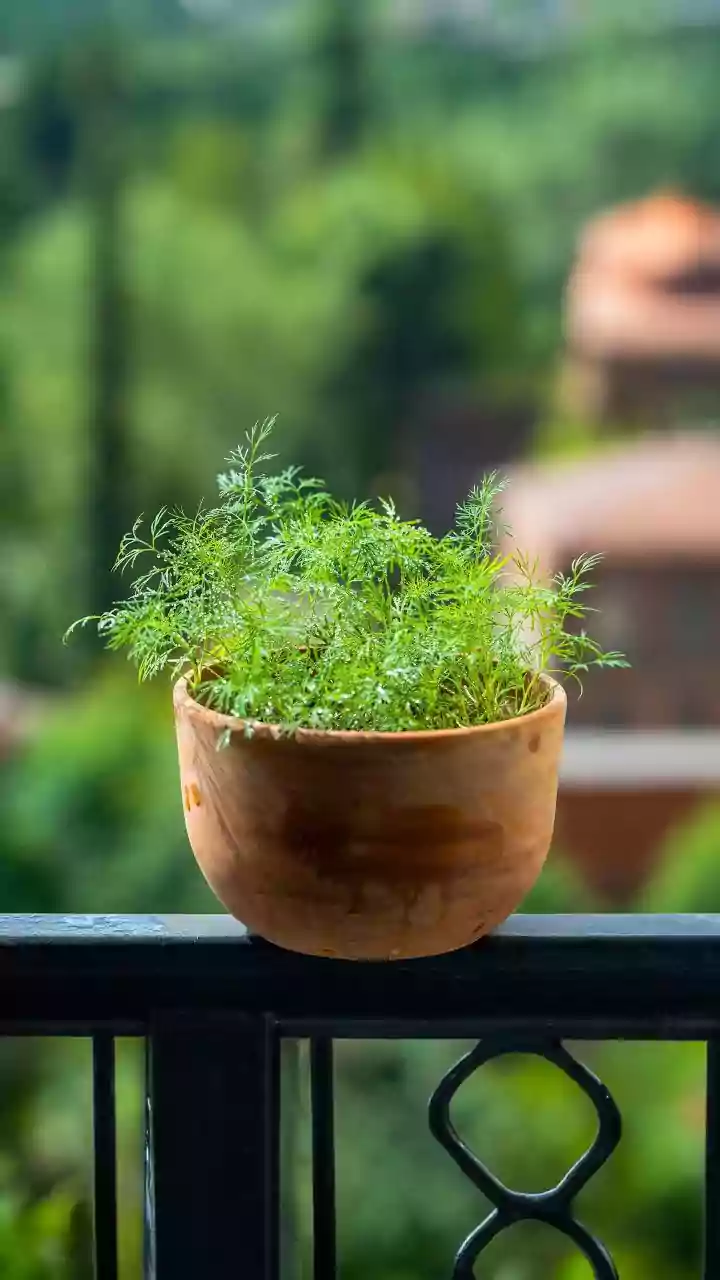
You don’t need a large garden to reap the rewards of greenery. Even the smallest urban homes have potential. Balconies and windowsills are perfect for container gardening. You can grow herbs, flowers, or even vegetables. Vertical gardens are another fantastic space-saving solution, allowing you to create a lush 'living wall' on a previously bare surface. For those with access to a terrace, rooftop farming is becoming a popular way to grow fresh, organic produce. Startups and community groups are promoting hydroponic and aeroponic systems that use less water and no soil, making them ideal for urban settings. Even indoors, a few strategically placed plants can transform a room, improving air quality and creating a calming atmosphere. Start small with low-maintenance plants and gradually build your own green oasis.