

The Science of the Sog
The crispiness you love is a delicate state of being. It's created when cooking methods like frying or high-heat roasting rapidly evaporate water from the food's surface, forming a dry, rigid structure. The problem is that the food's interior remains
moist. This internal moisture is the enemy of crunch. Over time, water from the inside of the food migrates outwards, a process known as moisture migration. As the dry crust absorbs this moisture, it loses its rigidity and becomes soft. Another culprit is steam. Hot food, if covered or crowded, traps steam, which then condenses into water droplets, directly soaking the crispy exterior and undoing all your hard work. Understanding this battle against moisture is the first step to winning the war on sogginess.
The Golden Rules of Frying
For fried foods, the moments immediately after they leave the hot oil are the most critical. The biggest mistake home cooks make is draining fried items on paper towels. While paper towels absorb surface oil, they also trap steam, essentially steaming the underside of your food and creating a soggy bottom. The professional method is simple: place freshly fried food in a single layer on a wire cooling rack set over a baking sheet. This setup allows for 360-degree air circulation, letting steam escape from all sides and excess oil drip away. This prevents both steaming and oil reabsorption, which can make the crust dense and greasy. For even crispier results, especially with items like french fries, consider the double-fry method: a first fry at a lower temperature to cook the inside, and a second, quick fry at a higher temperature just before serving to crisp the exterior.
Roasting for Maximum Crunch
When it comes to roasted vegetables, the principles are similar. Moisture is the main obstacle. First, ensure your vegetables are as dry as possible before they go into the oven. Pat them thoroughly with a towel. Second, don’t crowd the pan. Spreading vegetables in a single layer with space between them allows hot air to circulate and water to evaporate. If they are packed too tightly, they will steam instead of roast, resulting in a soft texture. High heat is also your ally, as it promotes faster evaporation and browning. Finally, just like with fried foods, resist the urge to pile them in a bowl immediately. Let them rest on the pan for a few minutes to allow any residual steam to dissipate.
The Art of Holding and Reheating
Ideally, crispy food is served immediately. But if you must hold it, never cover it tightly. A sealed container is a sauna for crispy food. To keep items warm and crisp for a short period, place them on a wire rack on a baking sheet in a low oven, around 95°C. This keeps them warm while allowing air to circulate. The refrigerator is one of the worst places to store crispy leftovers because its humid environment encourages sogginess. If you must store them, let the food cool completely, then place it in a container with ventilation holes or lined with a paper towel to absorb moisture. When reheating, avoid the microwave at all costs. Instead, use an oven or an air fryer to drive off the moisture that has accumulated and bring back the crunch.
Smart Serving Strategies
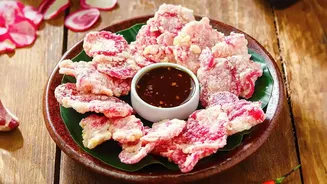
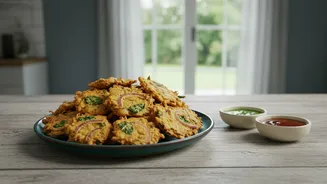
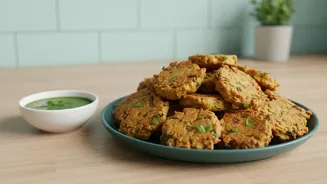
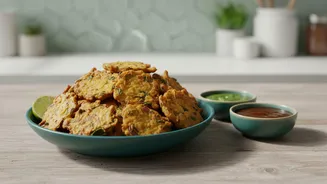
How you plate your food matters. Avoid stacking crispy items, as this traps heat and steam between the layers. Serve them in a single layer whenever possible. Furthermore, sauces and dressings are moisture bombs. If you’re serving a crispy element with a sauce, always serve the sauce on the side for dipping. Applying it directly to the food will cause it to get soggy almost instantly. If you are packing food for takeaway, use vented containers made of cardboard or paper, which allow steam to escape. Some modern takeaway containers even have textured bottoms or elevated platforms to lift the food away from any condensation that might pool at the bottom. These small adjustments can make a huge difference in preserving that satisfying crunch from the kitchen to the table.