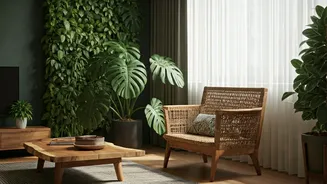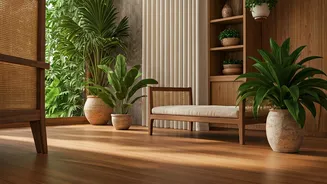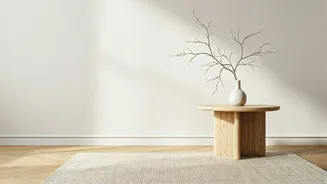





First, What Is Japandi?
Japandi is not a place, but a philosophy of space. The name itself is a portmanteau, blending the minimalist elegance of Japanese design with the cozy, functional warmth of Scandinavian (or 'Scandi') style. Think of it as the perfect middle ground between
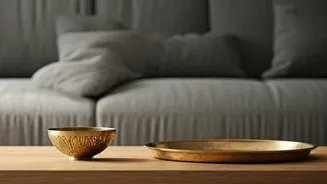
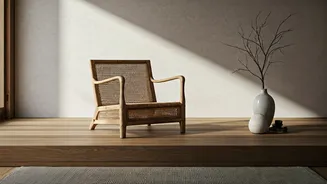
two of the world's most admired design traditions. From Japan, it borrows the principles of 'wabi-sabi'—finding beauty in imperfection and simplicity. This translates to organic shapes, handcrafted items, and an uncluttered approach. From Scandinavia, it takes 'hygge'—the feeling of cozy contentment and well-being. This brings in soft textiles, functional furniture, and an emphasis on light. The resulting aesthetic is clean but not cold, minimal but not barren. The color palette is typically neutral, favoring muted tones, creams, and earthy greens, punctuated with a few bold, dark accents like charcoal or indigo. Natural materials are king: light woods like oak and birch from Scandi style meet the darker, richer woods like walnut and bamboo favored in Japan. The furniture is low-profile, functional, and built to last, emphasizing craftsmanship over ornamentation.
A Marriage of Philosophies
The reason Japandi works so well is that its two halves are philosophically aligned despite their geographical distance. Both Japanese and Scandinavian design prioritize simplicity, functionality, and a deep connection to nature. Neither culture embraces excessive consumption or clutter for the sake of it. Where Scandinavian design focuses on creating a cozy refuge from harsh weather, Japanese design seeks to create a serene sanctuary for contemplation. Japandi merges these goals. It’s about creating a home that is both a functional tool for living and a tranquil escape from the chaos of the outside world. This isn't just about what's in the room, but what isn't. Negative space is used intentionally to create a sense of breathability and focus. The focus is on a few well-chosen, meaningful pieces rather than a collection of fleeting trends. This intentionality resonates deeply in a world saturated with information and stimuli, offering a visual and mental break.
Why This Trend Took Root in India
While Japandi has global appeal, its rapid adoption in India's urban centers is a fascinating cultural story. For millions living in bustling, dense cities like Mumbai, Delhi, and Bengaluru, home is the only true private sanctuary. The non-stop energy, noise, and visual clutter of city life creates a powerful desire for a peaceful domestic environment. Japandi’s core tenets—minimalism, tranquility, and organization—offer a direct antidote to this external chaos. Furthermore, as apartments become the standard, the design’s emphasis on smart, multi-functional furniture and its ability to make smaller spaces feel larger and more open is incredibly practical. Indian designers are also cleverly infusing local context, incorporating materials like cane, jute, and locally sourced woods. They might swap a traditional Japanese shoji screen for a carved 'jaali' (latticed screen), blending the global trend with a distinctly Indian soul. The result is a style that feels both internationally modern and culturally grounded.
Made for the Makeover Reel
The headline’s mention of “home makeover videos” is the final piece of the puzzle. Japandi is a remarkably telegenic style, perfectly suited for the before-and-after format that thrives on platforms like Instagram Reels and YouTube Shorts. The transformation from a cluttered, mismatched room to a serene, organized Japandi space is visually dramatic and deeply satisfying to watch. The clean lines, neutral colors, and artful placement of objects create a powerful visual punch in a 30-second clip. This digital amplification has turned a niche design concept into a mainstream aspiration. Indian influencers and interior designers have amassed huge followings by documenting these transformations, providing a constant stream of inspiration. For viewers, these videos aren't just entertainment; they're a visual guide to achieving a sense of order and calm in their own lives, making the Japandi trend feel accessible, aspirational, and just a click away.