




The Rise of a Humble Nutrient
Suddenly, fibre is everywhere. It’s the hero ingredient in new snacks, the star of countless wellness reels on Instagram, and the topic of discussion among health-conscious foodies. So, what changed? A perfect storm of factors has propelled fibre to its
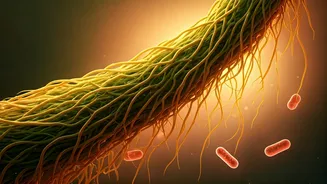
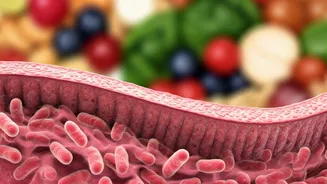
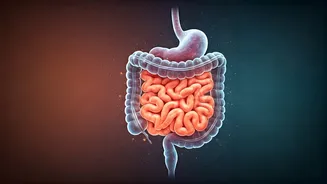
newfound fame. The biggest driver is the explosion of research into the gut microbiome—the complex ecosystem of bacteria in our digestive system. Scientists now understand that fibre is the primary food source for our beneficial gut bacteria, making it essential for everything from digestion to immunity and even mental health. This shift has transformed fibre's image from a simple digestive aid to a foundational pillar of overall well-being. The pandemic also accelerated an interest in proactive health, pushing people to seek foods that do more than just fill them up; they want foods that protect and nourish them from the inside out.
More Than Just ‘Roughage’
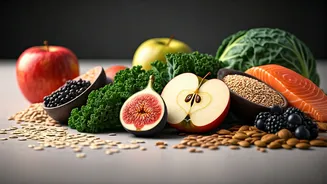
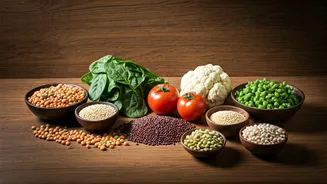
When we talk about fibre, we’re not talking about one single thing. It’s a broad category of plant-based carbohydrates that the human body cannot digest. Instead of being broken down, it travels through our digestive system, doing important work along the way. There are two main types, and we need both: **Soluble Fibre:** This type dissolves in water to form a gel-like substance in your digestive tract. It's a superstar at slowing down digestion, which helps you feel full longer and prevents sharp spikes in blood sugar. It also plays a key role in lowering LDL ('bad') cholesterol. Great sources include oats, barley, apples, citrus fruits, and beans. **Insoluble Fibre:** This type does not dissolve in water. Instead, it adds bulk to stool, which helps promote regularity and prevent constipation. Think of it as the 'broom' that sweeps your digestive system clean. You can find it in whole grains, nuts, and vegetables like cauliflower and green beans.
The Powerhouse Benefits
Fibre’s newfound fame is built on a solid foundation of proven health benefits that go far beyond the bathroom. Regular, adequate intake of dietary fibre is linked to a significantly lower risk of developing numerous chronic conditions. For heart health, soluble fibre helps reduce cholesterol levels, a major risk factor for heart disease. For blood sugar management, it slows the absorption of sugar, which is crucial for preventing and managing type 2 diabetes. Its ability to promote satiety (the feeling of fullness) also makes it a powerful ally in weight management, helping to curb overeating. Furthermore, by feeding our good gut bacteria, fibre supports a healthy immune system, as a large part of our immunity is regulated in the gut. The science is clear: a fibre-rich diet is one of the best investments you can make in your long-term health.
Finding Fibre in the Indian Kitchen
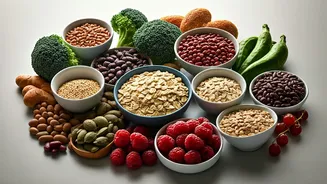
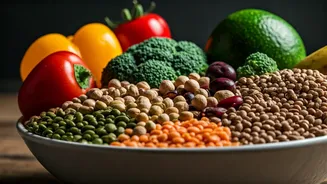
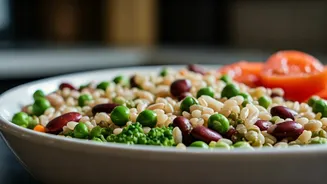
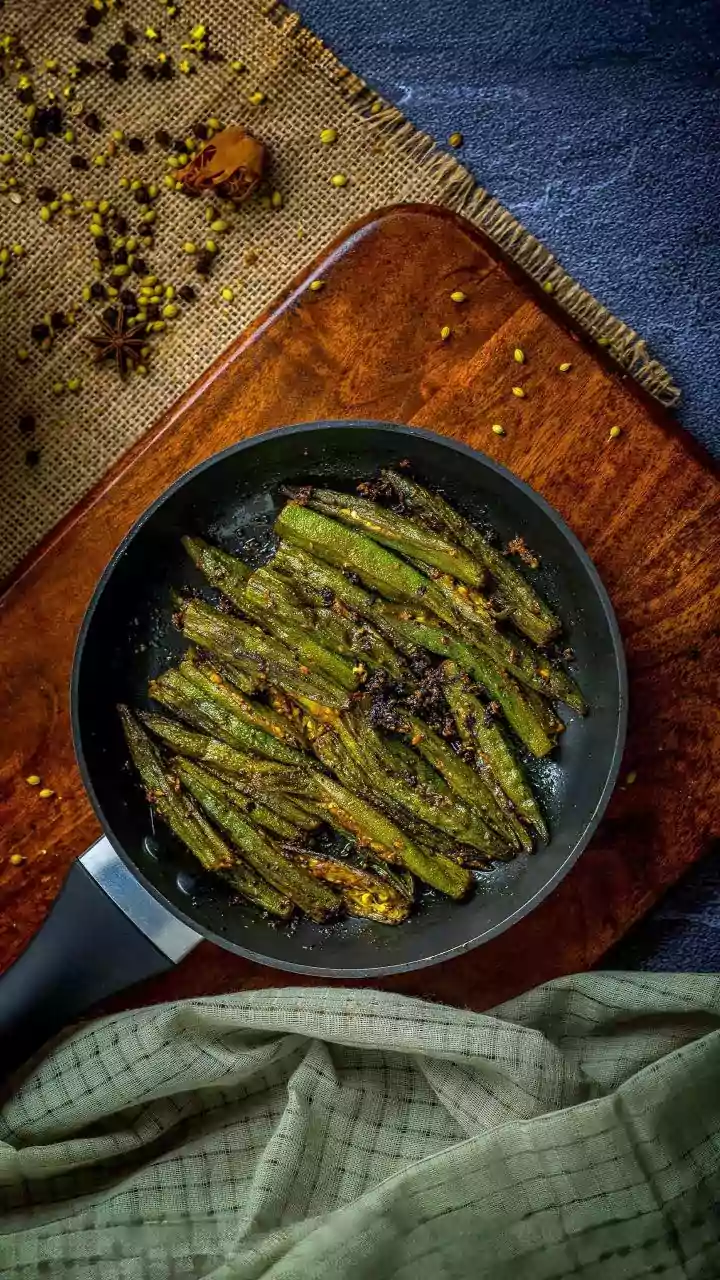
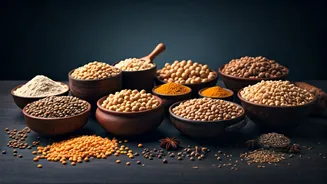
The good news for us in India is that a traditional diet is naturally rich in fibre. We don’t need to look for expensive, imported 'superfoods'. The heroes are already in our pantries and markets. Our daily dals (lentils) and legumes like chickpeas (chana) and kidney beans (rajma) are packed with both fibre and protein. Millets like jowar, bajra, and ragi are fibre powerhouses that are making a welcome comeback. Simply swapping refined flour (maida) for whole wheat flour (atta) in your rotis and parathas significantly boosts your fibre intake. When it comes to fruits and vegetables, we are spoilt for choice. Guavas, bananas, apples, and leafy greens like spinach (palak) and fenugreek (methi) are excellent sources. Even common vegetables like bhindi (okra) and baingan (brinjal) contribute to our daily fibre goals.
Simple Swaps for a Fibre-Rich Diet
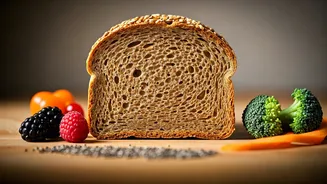
You don't need to overhaul your entire diet overnight. Small, consistent changes can make a huge difference. Start by choosing whole grains over refined ones—opt for brown rice instead of white, and whole-wheat bread over white bread. Add a handful of nuts and seeds like almonds, walnuts, or flaxseeds to your breakfast porridge or yoghurt. Make it a rule to include a vegetable-based side dish (sabzi) with every lunch and dinner. Snack on fruits instead of packaged biscuits. When you make dal, leave the skins on where possible, as that’s where much of the fibre is concentrated. Another simple trick is to add roasted and powdered flaxseed (alsi) to your chapati dough, smoothies, or raita for an effortless fibre boost.