

Start in the Bathroom: The High-Impact Zone
The bathroom is where most household water consumption occurs, making it the perfect place to start. Opting for a bucket bath instead of a long shower is a classic Indian method that saves a tremendous amount of water, using around 15-20 litres compared
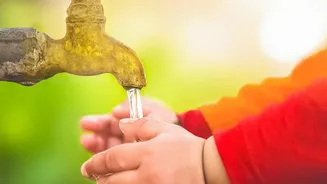
to the much higher flow of a shower. Turn off the tap while brushing your teeth, lathering your hands, or shaving. These small moments of running water add up to litres wasted each day. Finally, conduct a simple leak test on your toilet flush tank. Add a few drops of food colouring to the cistern and wait. If the colour appears in the bowl without flushing, you have a leak that needs immediate fixing.
Master Your Kitchen Habits
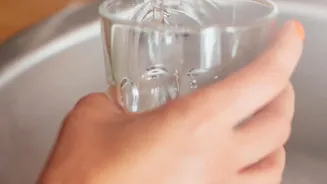
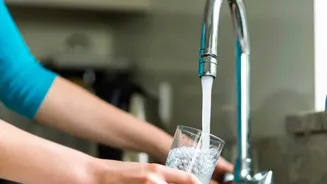
Your kitchen is another key area for water conservation. Instead of letting the tap run to wash vegetables, use a bowl of water. This collected water can then be reused for watering plants. Similarly, when washing dishes by hand, fill a basin or a larger pot with soapy water rather than letting the tap run continuously. If you have a dishwasher, make sure to run it only with a full load to maximise water and energy efficiency. Designating a single glass for your drinking water each day can also cut down on the number of glasses you need to wash.
Unlock the Potential of RO Wastewater
Reverse Osmosis (RO) purifiers are common in urban homes, but they produce a significant amount of reject water. Instead of letting this go down the drain, collect it. This water, while not fit for drinking due to higher concentrations of salts and minerals, is perfectly safe for a variety of household chores. Use this collected RO water for mopping floors, flushing toilets, washing your car, or doing laundry. It can also be used for gardening, though it's best suited for hardier outdoor plants and lawns rather than delicate indoor ones.
Rethink Your Laundry Routine
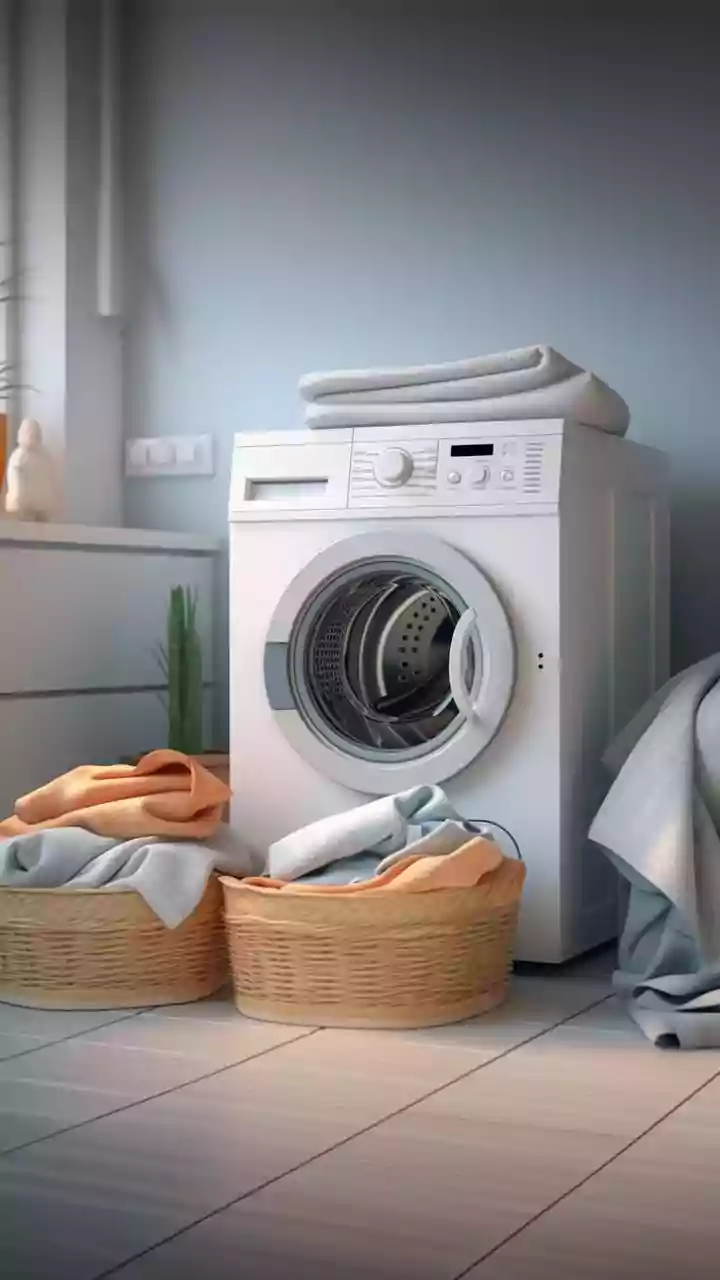
Washing machines are major water consumers, but simple adjustments can make a big difference. The most effective habit is to run your machine only when you have a full load of clothes. Washing several small loads uses significantly more water and electricity than one large load. Many modern machines also come with an 'eco' or 'water-saving' mode that should be used whenever possible. For an extra step, consider reusing the final rinse water, which is often relatively clean, for tasks like cleaning floors or balconies.
Become a Leak Detective
A small, persistent drip can waste hundreds of litres of water per month. Be vigilant about fixing leaky taps and pipes as soon as you spot them. Some leaks, however, are hidden. Keep an eye out for signs like damp patches on walls or ceilings, peeling paint, or a musty smell. An unexplained spike in your water bill is another red flag. You can also check your water meter: turn off all taps and water-using appliances, take a meter reading, and check again after an hour or two. If the reading has changed, you likely have a hidden leak that needs a plumber's attention.
Smart Fixtures and General Habits
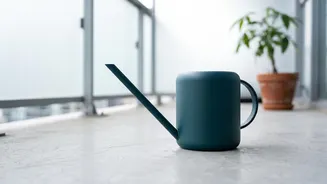
If you're able to make small upgrades, consider installing low-flow aerators on your taps. These are inexpensive devices that reduce water flow without sacrificing pressure. When it comes to cleaning, use a broom instead of a hose to clean balconies and driveways. For those with gardens or potted plants on their balcony, water them during the early morning or late evening to minimise evaporation. These habits, when adopted collectively across a community, can significantly ease the burden on a city's water supply during critical shortages.