





Upcoming Celestial Events
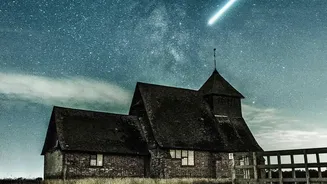
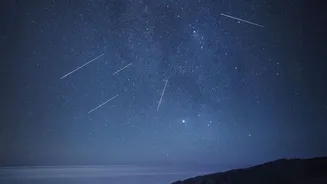
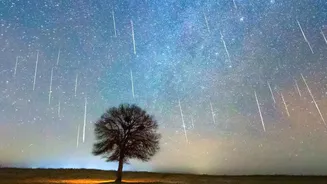
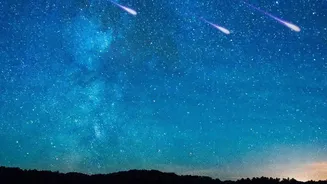
The night sky is a calendar of recurring events, with two of the most popular being the Perseid and Orionid meteor showers. The Perseids, which peak in mid-August, are beloved for their frequency and brightness. The 2026 Perseids were particularly special,
peaking around August 12-13 under a new moon, creating exceptionally dark skies. Looking ahead, the Orionid meteor shower, active from early October to early November, offers the next major opportunity. The Orionids are known for their fast, bright meteors, which are actually fragments left behind by the famous Halley's Comet. The peak for the Orionids in 2026 is expected on the night of October 21-22.
The Importance of Escaping City Lights
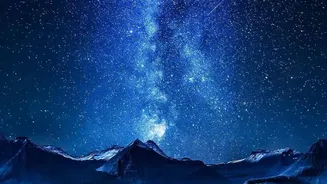
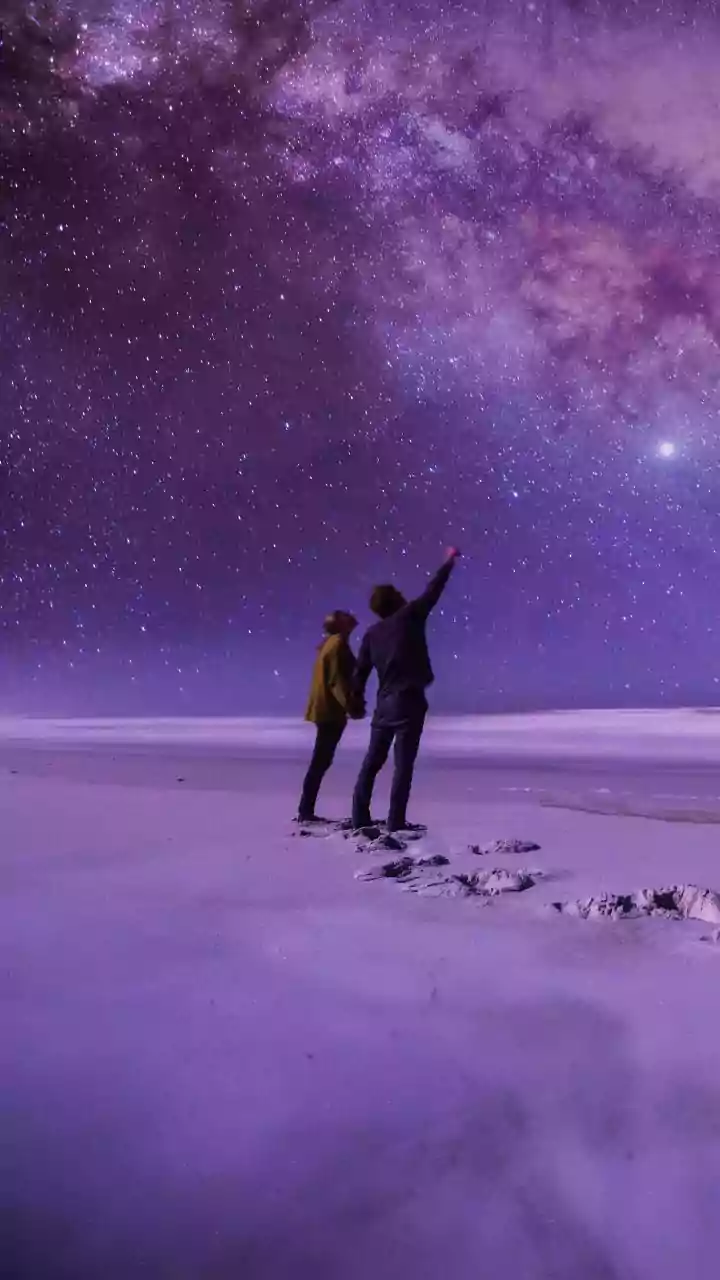
The single biggest obstacle to good stargazing is light pollution. The bright, hazy glow that hangs over cities and towns can obscure all but the brightest celestial objects. Major Indian metros like Delhi and Bengaluru experience nighttime brightness levels up to 50 times higher than a natural, dark sky. This is why the headline's advice to head to “non-metro” areas is crucial. To truly witness a meteor shower, you need to find a location far from the glare of streetlights, buildings, and billboards. The difference is dramatic: in a truly dark sky, you can see thousands of stars and the Milky Way, while a city view offers only a handful.
Finding Your Perfect Stargazing Spot
You don't need to travel to the ends of the earth for a clear view. The key is to find a wide-open space with an unobstructed horizon, away from direct sources of light. India's diverse geography offers plenty of options. High-altitude deserts like Ladakh and Spiti Valley are considered world-class stargazing destinations due to their thin, dry air and minimal light pollution. In fact, Hanle in Ladakh is home to India's first official Dark Sky Reserve. Other excellent choices include the vast salt flats of the Rann of Kutch in Gujarat, desert camps around Jaisalmer in Rajasthan, and remote hill stations like Kausani in Uttarakhand or Coorg in Karnataka. Even national parks and tiger reserves can offer surprisingly dark skies.
Essential Gear (And What You Don’t Need)
The best tool for watching a meteor shower is your own eyes. You do not need an expensive telescope or binoculars, as they have a narrow field of view and you want to see as much of the sky as possible. Comfort is key, because stargazing involves a lot of patience. A reclining chair or a thick blanket to lie on is essential. Dress in warm layers, even on a summer night, as you'll get colder than you expect just sitting still. A torch with a red light is highly recommended to help you navigate in the dark without ruining your night vision, which white light from a phone screen instantly does. Finally, consider downloading a stargazing app to help you locate constellations, including the shower's radiant point—the area of the sky where the meteors appear to originate from.
Techniques for a Successful Night
Once you've found your dark spot, give your eyes at least 20-30 minutes to fully adapt to the darkness; you'll be amazed at how many more stars become visible. For most showers, the best viewing time is between midnight and the hours just before dawn. This is when the part of Earth you're on has rotated to face the direction of the incoming meteor stream, increasing the number of meteors you'll see. Instead of staring at the radiant, look about 45 degrees away from it. The meteors that appear farther from the radiant will have longer, more dramatic trails across the sky. Most importantly, be patient. Meteor showers are not a constant downpour. There can be lulls in activity followed by several meteors in quick succession. Settle in, relax, and enjoy the show.