






The Blueprint: India's National AI Mission
At the heart of this transformation is the IndiaAI Mission, a government initiative backed by a significant budget of over ₹10,300 crore. Approved in March 2024, the mission's goal is to create a robust ecosystem for AI in the country. This isn't just
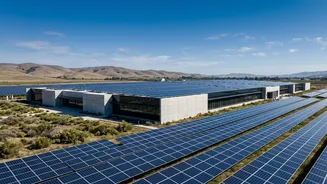
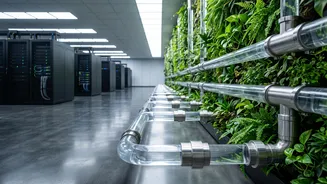
about software; it's about building the fundamental blocks of AI capability. A key pillar is the creation of a massive AI computing infrastructure, involving 10,000 or more Graphics Processing Units (GPUs), which are essential for training powerful AI models. The strategy also includes developing a unified data platform to provide high-quality datasets for training AI, fostering innovation in homegrown AI models, and providing financial support to startups. The vision is clear: to 'Make AI in India and Make AI Work for India', ensuring the country is not just a consumer of AI technology but a leading creator.
How AI Can Drive Down Service Costs
One of the most significant promises of AI is its ability to boost efficiency and reduce operational costs, with savings that can be passed on to consumers. By automating routine processes, AI can free up human workers for more complex tasks. Think of AI-powered chatbots handling customer queries 24/7, reducing the need for large call centres and eliminating wait times. In the logistics sector, AI is already optimising delivery routes to cut fuel consumption and analysing data to forecast demand, which prevents costly overstocking. This same logic applies to many industries. In banking and finance, AI enhances fraud detection and automates loan processing. For the massive IT services sector, AI is shifting the economic model from billing for manpower to delivering automated, outcome-based results, making processes faster and more cost-effective.
Expanding Access to Underserved Areas
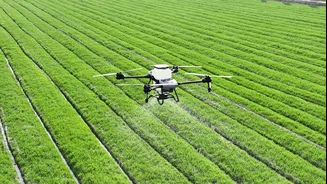
Beyond cost, AI infrastructure has the potential to dramatically improve the availability of critical services, especially in rural and remote regions. Healthcare is a prime example. India faces a shortage of doctors and diagnostic facilities, particularly outside major cities. AI-powered tools can help bridge this gap. For instance, an Odisha-based startup uses AI to estimate a person's haemoglobin levels from a 30-second facial video, allowing for doorstep screening of conditions like anaemia without a lab visit. In agriculture, which supports a large portion of India's workforce, AI is providing farmers with crucial, localised advice. AI-powered chatbots like Kisan e-Mitra offer guidance in local languages, and AI analysis of satellite and weather data is helping farmers increase yields while using less water and fertiliser. These tools bring expertise to people who have never even used a computer, often through a simple voice-enabled phone.
Real-World Impact Is Already Visible
This isn't just theoretical. Early pilot projects and deployments are showing measurable results. In Baramati, an initiative using AI to analyse satellite, IoT, and weather data has helped sugarcane farmers increase yields by 40% while cutting water and fertiliser use by 30%. In healthcare, AI-assisted screening has increased the detection rate of tuberculosis by 35%. Another AI system that provides monsoon forecasts has already sent early warnings to millions of farmers, helping them adapt to unpredictable weather patterns. These examples demonstrate that by adapting AI tools to local needs, India can achieve significant progress without necessarily building the world's most advanced systems from scratch. The focus is on practical, affordable applications that solve real-world problems for ordinary people.
Hurdles on the Horizon
Despite the immense potential, the road to widespread AI adoption has its challenges. A primary concern is the shortage of a skilled workforce with expertise in modern AI systems. While India has many engineers, there's a gap in specialised talent. Another major hurdle is infrastructure, as reliable high-speed internet and cloud access are still not universally available, especially for small and medium-sized businesses outside of metro areas. Data privacy and security are also critical issues, as AI systems require vast amounts of data to function effectively, and India's regulatory framework for AI is still evolving. Finally, there's a risk of creating a new digital divide if the benefits of AI are not distributed equitably across society.