



Beyond the Festive Box
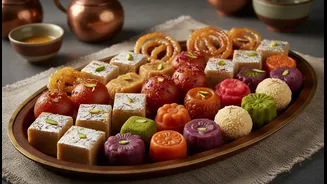
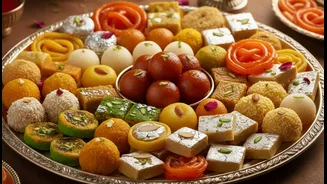
For generations, Indian sweets were synonymous with festivals and ceremonies—a delightful but predictable part of our cultural fabric. Ladoos, barfis, and jalebis were cherished, but often seen as traditional, heavy, and a world away from modern desserts
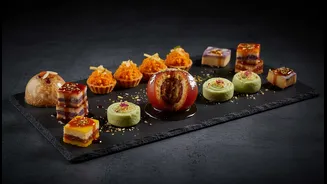
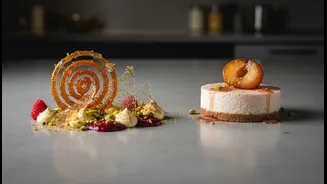
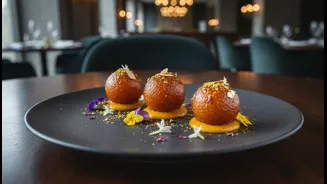
like macarons or cheesecakes. That perception is rapidly changing. A quiet revolution is underway, turning these nostalgic treats into culinary masterpieces. Mithai is no longer just for Diwali or a wedding; it's becoming an everyday indulgence, a sophisticated gift, and a canvas for culinary artistry. This shift is driven by a new generation of chefs and entrepreneurs who are looking inward at India's rich heritage and reinterpreting it with global techniques and a contemporary mindset.
The New Mithai Makers
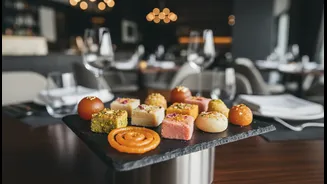
A new wave of boutique brands and patisseries is leading this charge. Names like Bombay Sweet Shop, Khoya, Arq, and Gur Chini are reimagining what mithai can be. These modern-day mithaiwallas are focusing on craftsmanship, premium ingredients, and elegant presentation. They are swapping out preservatives and artificial additives for single-origin ingredients, A2 ghee, and natural sweeteners. The process is as important as the final product, with many brands making their own khoya in-house and paying meticulous attention to hygiene and quality—a significant shift from the backend operations of many traditional sweet shops. The result is a product that feels less like a mass-produced sweet and more like a carefully crafted luxury good.
A Globalised Indian Palate
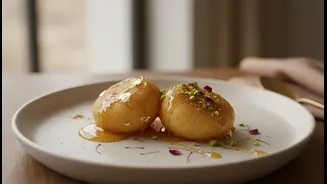
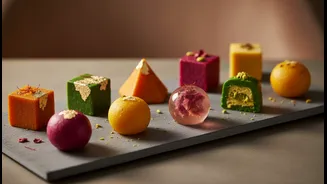
One of the most exciting aspects of this evolution is the fusion of flavours. While classic notes of cardamom, saffron, and rose remain, they now share the stage with global ingredients like Belgian chocolate, matcha, lavender, and salted caramel. This has given rise to inventive creations like rasmalai cheesecakes, gulab jamun tiramisu, mojito ladoos, and coffee-infused barfis. This blending of East and West caters to an increasingly adventurous Indian palate, especially among millennials and Gen Z, who grew up with global flavours but still crave the comfort of tradition. Chocolate, in particular, has blurred the lines, moving from a Western confection to a key ingredient in the modern mithai kitchen, creating familiar yet novel experiences like chocolate kaju katli or cocoa pedas.
Health, Wellness, and Visual Appeal
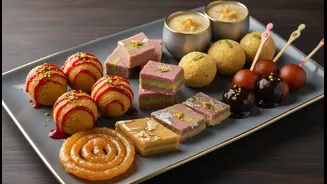
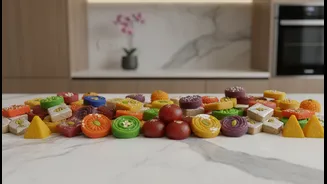
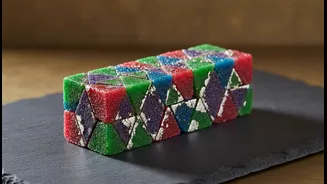
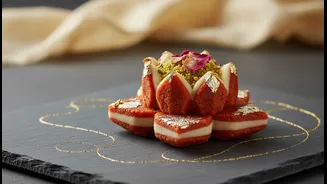
This reinvention isn't just about flavour; it's also about wellness and aesthetics. As consumers become more health-conscious, there's a growing demand for mithai made with natural sweeteners like jaggery and dates, or options that are vegan and gluten-free. Many brands are also focusing on portion-controlled indulgence, allowing for a satisfying treat without the guilt. Furthermore, in the age of social media, visual appeal is paramount. Younger consumers, especially Gen Z, are drawn to sweets that are photogenic and feel aspirational. Today's gourmet mithai is meticulously designed, often resembling a work of art with vibrant colours, elegant finishes, and sophisticated, eco-friendly packaging.