




The Tyranny of Temperature
For many hosts, the success of a dinner party hinges on a frantic, high-wire act of temperature control. The roast must be hot, the vegetables steaming, and the sauce perfectly warmed. This obsession creates a stressful kitchen environment where the host acts
more like a short-order cook than a participant in the gathering. The pressure to serve everything at its peak temperature often means the host misses out on conversations and connection, stuck by the oven door instead of enjoying their own party. This approach not only heaps anxiety onto the host but can also create a rigid, formal dining experience. Guests may feel rushed to eat before things get cold, disrupting the leisurely flow that makes a shared meal so special.
The Freedom of Flexibility
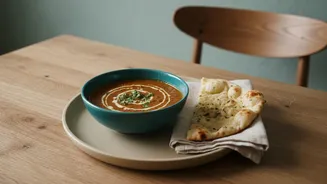
Opting for dishes that are delicious served hot, warm, or at room temperature is liberating. It removes the pressure of perfect timing from the equation. Foods designed to be served at room temperature allow you to prepare most of the meal well in advance. This means more time for you, the host, to relax and actually be present with your friends and family. A relaxed host sets a relaxed tone for the entire event. This style of eating also encourages a more communal, grazing-style meal where guests can help themselves over a longer period, fostering a more dynamic and social atmosphere. Some studies even suggest that eating food at a moderate temperature can enhance flavour and aid digestion, as the body doesn't have to expend extra energy warming up the food.
Building the Perfect Spread
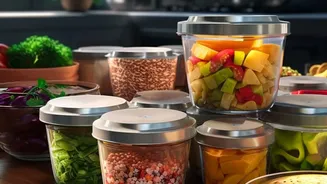
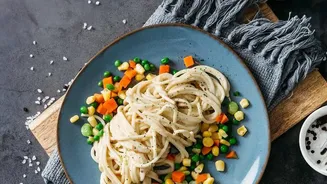
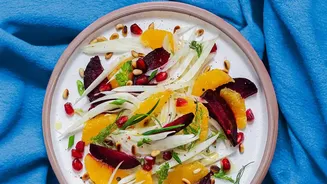
Creating a menu with optional heat doesn't mean serving a cold, uninspired meal. The key is to think in layers of flavor, texture, and substance. Start with a variety of dips like hummus or guacamole, which are always crowd-pleasers. Build on that with substantial salads, such as a Greek orzo pasta salad or a lentil and tuna salad, that get better as the flavors meld. Savory tarts, quiches, and frittatas are brilliant choices because they are equally delightful whether fresh from the oven or after they’ve cooled. A Spanish tortilla, packed with potatoes and onions, is another versatile star. Don't forget platters of roasted vegetables, marinated antipasti, or flavorful grain salads with couscous or barley. These dishes offer complexity and satisfaction without demanding constant attention.
Beyond the Salad Bowl
The room-temperature philosophy extends far beyond vegetable-based dishes. Many centerpiece proteins are fantastic when not served piping hot. A roasted chicken or a grilled flank steak, for instance, can be cooked an hour or so before guests arrive and left to rest; this not only makes carving easier but allows the juices to settle, resulting in more tender, flavorful meat. Pulled pork or other slow-cooked meats are also excellent, as are dishes like pepperoni bread or stromboli, which are designed to be enjoyed at any temperature. Even some baked pastas and casseroles hold up beautifully and can be just as satisfying when warm instead of blistering hot. The goal is a menu that is robust and inviting, not one that feels like a collection of cold sides.
A New Hosting Mindset
Ultimately, this is more than just a collection of recipes; it’s a shift in hosting philosophy. It's about prioritizing connection over perfection. This approach, sometimes called "deep casual hosting," argues that the goal of gathering is to deepen relationships in a relaxed setting, not to put on a flawless culinary performance. When you free yourself from the kitchen, you give yourself and your guests the gift of your presence. A shared meal is about reinforcing connections and creating a sense of belonging. By choosing dishes that don't chain you to the stove, you are creating an environment where conversation flows, laughter is easy, and memories are made. The food becomes the beautiful backdrop for connection, not a stressful main event.