




Why Eating Seasonal Matters in Monsoon
The rainy season in India, or Varsha Ritu, brings high humidity and a damp environment, which can make digestion sluggish and increase susceptibility to infections. Traditional wisdom, supported by modern nutrition, suggests shifting to a diet of warm,
light, and freshly cooked foods. Eating seasonally ensures you get the freshest produce packed with nutrients perfectly suited to the body's needs during this time. These foods are not only at their flavorful best but are also believed to help boost immunity and aid digestion.
Essential Monsoon Vegetables
The rains bring a wonderful variety of gourds and other unique vegetables. Look for lauki (bottle gourd), turai (ridge gourd), and karela (bitter gourd), which are light and easy to digest. Vegetables like bhindi (okra) and arbi (colocasia) are also excellent choices. According to Ayurveda, cooked vegetables are preferable to raw salads during this season, as they are gentler on the digestive system. Simple preparations like steamed vegetables or light curries with minimal oil are ideal. Roasted corn, or bhutta, rubbed with salt, lemon, and chilli, is another quintessential monsoon snack that is both light and satisfying.
Flavourful and Juicy Seasonal Fruits
Monsoon is the season for some of India’s most beloved fruits. Jamun (Indian blackberry) is a star performer, known for its deep purple colour and tangy taste. It is an excellent source of iron and Vitamin C, which helps boost immunity. Peaches, plums, pears (nashpati), and cherries also make their appearance, offering a wealth of antioxidants and dietary fibre. While mangoes are primarily a summer fruit, some varieties are still available in the early weeks of the monsoon. Fruits like pomegranate and papaya are also recommended for their digestive and immune-supporting properties.
Immunity-Boosting Spices and Herbs
The Indian spice box is a treasure trove of ingredients that are particularly beneficial during the monsoon. Ginger (adrak), garlic (lahsun), and turmeric (haldi) are prized for their powerful antibacterial, antiviral, and anti-inflammatory properties. Incorporating these into your daily cooking, such as in dals, soups, and teas, can help fortify your body's defences. Spices like black pepper (kali mirch), cumin (jeera), and cinnamon (dalchini) not only add warmth and flavour but also aid digestion, which can be weaker during this season. A small piece of ginger with rock salt before meals is an old Ayurvedic trick to improve digestion.
Warm and Comforting Drinks
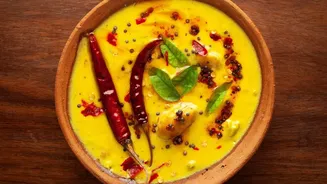
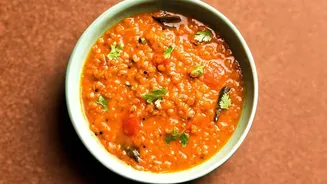
There's nothing quite like a warm beverage on a rainy day. Instead of cold drinks, opt for herbal teas made with tulsi (holy basil), ginger, or cinnamon. These infusions are soothing and can help protect against common colds and coughs. Warm, freshly prepared soups, like a simple moong dal soup or a mixed vegetable broth, are another excellent way to stay nourished and warm. These light yet satisfying meals are easy on the stomach and provide essential nutrients to keep you energised through the gloomy weather. For a comforting meal, nothing beats a simple, freshly cooked khichdi made with rice, moong dal, and mild spices.