


Understanding the GRAP Framework
The Graded Response Action Plan, or GRAP, is an emergency response system designed to fight air pollution in the Delhi-NCR region. Notified in 2017 following a Supreme Court order, it is not a year-round plan but a set of measures that are activated in stages
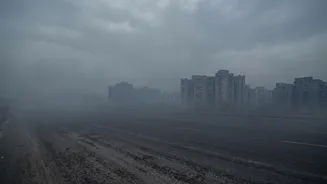
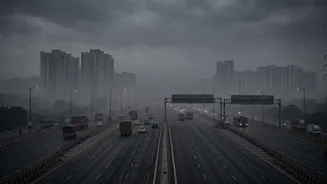
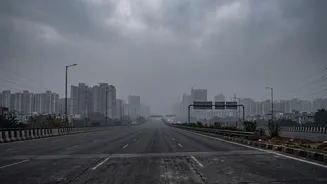
based on the Air Quality Index (AQI). The system is pre-emptive, meaning actions are taken to prevent the air from getting worse. It has four tiers: Stage 1 ('Poor' AQI: 201-300), Stage 2 ('Very Poor' AQI: 301-400), Stage 3 ('Severe' AQI: 401-450), and Stage 4 ('Severe+' AQI: above 450). On October 21, 2026, the Commission for Air Quality Management (CAQM) invoked Stage 1 after Delhi's AQI jumped into the 'poor' category.
Restrictions on Diesel Generator Sets
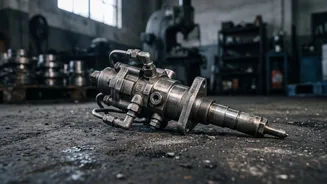
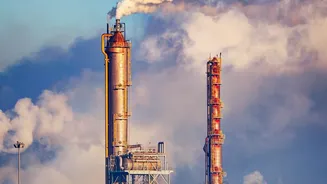
One of the key restrictions under Stage 1 concerns the use of diesel generator (DG) sets. These are now prohibited from being used as a regular source of power across the NCR. However, the ban is not absolute. DG sets are permitted for emergency and essential services, which typically include hospitals, lifts, railway services, and other critical infrastructure. For other users, generators can only be operated if they meet updated emission standards or have been retrofitted with devices to control pollution. This measure targets a significant source of industrial and commercial pollution, aiming to reduce particulate matter emissions.
Rules for Private and Commercial Vehicles
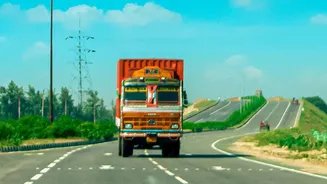
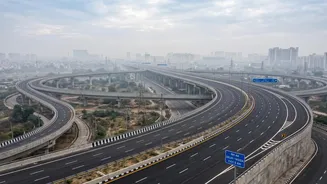
For the average commuter, GRAP Stage 1 does not introduce sweeping bans like the odd-even scheme. However, enforcement of existing rules is intensified. Authorities are cracking down on visibly polluting vehicles and ensuring all drivers have a valid Pollution Under Control (PUCC) certificate. The long-standing ban on older vehicles—petrol cars over 15 years and diesel cars over 10 years—remains strictly in effect. Furthermore, there is a significant restriction on non-destined trucks, which are now diverted around Delhi via the Eastern and Western Peripheral Expressways to reduce congestion and emissions within the city.
Impact on Inter-State Bus Services
A major change under the revised GRAP rules affects public transportation from neighbouring states. Inter-state buses arriving from Haryana, Uttar Pradesh, Rajasthan, and five other states are no longer permitted to operate in Delhi-NCR unless they are compliant with cleaner fuel norms. Specifically, these buses must either be electric, run on CNG, or meet the BS-VI diesel standard. This rule, which was previously part of Stage 2, has been moved to Stage 1 to tackle vehicular pollution earlier in the season. To encourage the use of local public transport, the Delhi Metro has also announced it will run 20 additional train trips on weekdays.
Other Key Measures and What Comes Next
Beyond transport, Stage 1 also includes a ban on using coal and firewood in tandoors at hotels and restaurants. Open burning of waste is strictly forbidden, and dust control measures at construction sites are being rigorously enforced. It's important to note that these are just the initial set of restrictions. If the AQI continues to deteriorate and enters the 'Very Poor' or 'Severe' categories, stricter measures will be implemented. These could include a ban on certain types of construction activities and restrictions on BS-III petrol and BS-IV diesel four-wheelers. The CAQM and other agencies are continuously monitoring the situation and will act based on weather forecasts and pollution levels.