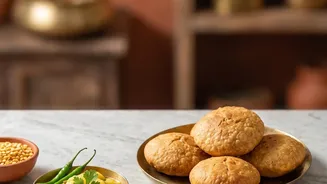


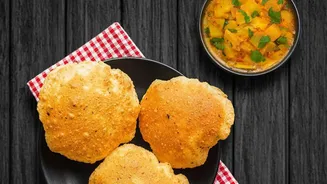
The sad sizzle of yesterday's sabzi hitting a cold pan has nothing on the glorious, confident puff of a puri hitting hot oil. In the battle for breakfast supremacy, the textural magic of this fresh, golden bread wins every single time.
The Allure of the Perfect Puff
There are few culinary
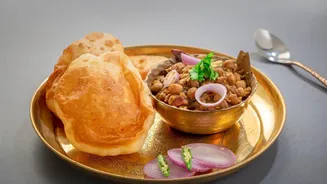
moments more satisfying than watching a disc of dough swell into a perfect, golden sphere. It’s a moment of kitchen magic. A hot puri, straight from the kadai, offers a symphony of textures that no microwave can replicate. It begins with the delicate, paper-thin crispness of the outer shell that shatters at the slightest pressure. This gives way to a soft, steamy interior that is both chewy and light. The experience is immediate and deeply comforting. It’s the taste of celebration, of Sunday mornings, and of a meal made with care. Leftovers, while practical, often emerge from their reheating process either disappointingly soggy or unpleasantly tough. They are a meal of convenience, but they can rarely spark the same simple, unadulterated joy as a fresh, hot puri.
The Science of a Swell
That magical puff is not an accident; it's a delicious science experiment. When the rolled-out puri is slid into properly hot oil, the outer surfaces cook and seal almost instantly. Meanwhile, the moisture trapped within the dough rapidly turns into steam. This steam has nowhere to go, so it creates pressure and pushes outwards, forcing the dough to inflate like a balloon. Achieving this requires a few key things to be just right. The dough must be firm—stiffer than a chapati dough—to ensure it seals properly and doesn't absorb excess oil. Rolling the puri to an even thickness, roughly 1.5 to 2 millimetres, is also crucial; thin spots can rupture and let steam escape, while overly thick puris won't cook through. Finally, the oil temperature has to be hot enough (around 180–190°C) to create that instant seal. If the oil is too cool, the puri will absorb it and become greasy instead of light and puffed.
Tips for a Flawless Fry
For those who have struggled with flat, sad puris, a few simple adjustments can make all the difference. After kneading your firm dough, let it rest for 10-15 minutes. This short rest relaxes the gluten, making the dough easier to roll without becoming chewy. When rolling, use a tiny bit of oil on the dough ball and rolling surface instead of dry flour, which can burn in the hot oil and spoil its clarity. To test if your oil is ready, drop in a tiny piece of dough; it should sizzle and rise to the surface immediately. As you fry, gently press the puri down with a slotted spoon as it begins to rise. This encourages it to puff up evenly. Once it inflates, flip it over to cook for another 30 seconds until it's a beautiful golden-brown.
A Ritual Worth Reviving
In our fast-paced lives, reaching for leftovers is an understandable shortcut. But making puris is more than just preparing a meal; it's a ritual. It’s the rhythmic rolling, the sizzle of the oil, and the collective 'ooh' as each one puffs to life. It connects us to a tradition of breakfast as a nourishing, deliberate start to the day. This is a meal often associated with festive occasions and leisurely weekends for a reason—it feels special because it requires a little more effort. That small investment of time yields a massive return in flavour, texture, and satisfaction, transforming a simple breakfast into a memorable experience. It’s a reminder that some of the best things in life aren’t about instant gratification but are crafted with a little patience and love.
The Perfect Companions
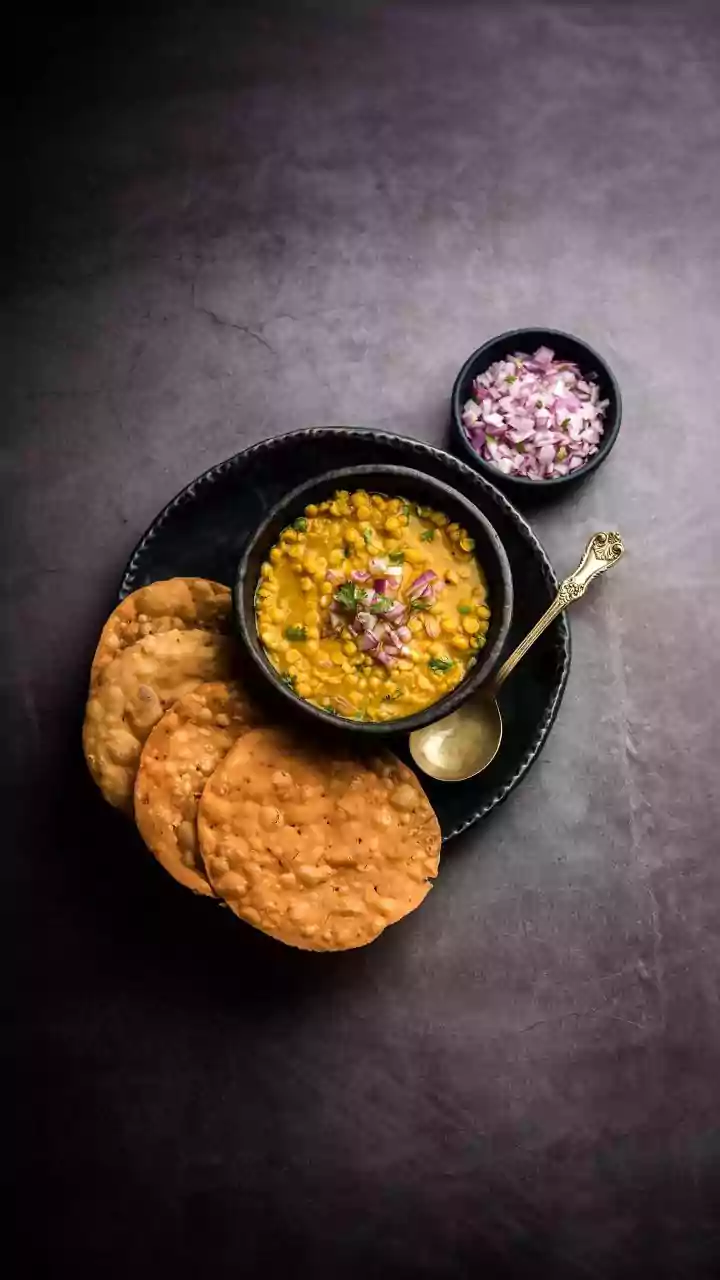
Of course, a puri is often judged by the company it keeps. The classic pairing is a simple yet flavourful aloo bhaji or potato masala, a staple in countless Indian households and restaurants. The soft, spiced potatoes are the perfect foil for the crisp puri. For a heartier meal, chole masala, a robust chickpea curry, is a beloved North Indian combination. On the sweeter side, the marriage of puri with shrikhand (sweet strained yogurt) or aamras (mango pulp) during the summer is a culinary delight that has defined celebratory meals for generations. Whether savoury or sweet, the right side dish elevates the humble puri from a delicious bread to the centrepiece of an unforgettable breakfast.