






Why Your Breath is a Powerful Tool
Our breath is deeply connected to our nervous system. When we are stressed or anxious, our breathing often becomes shallow and rapid, activating the body's 'fight or flight' response. By consciously slowing and deepening our breath, we can activate the parasympathetic
nervous system, which is responsible for the 'rest and digest' state. This simple act can help lower your heart rate, reduce blood pressure, and signal to your entire body that it is safe to relax. It’s a built-in tool for managing stress that is available to you at any moment.
The Foundation: Mindful Observation
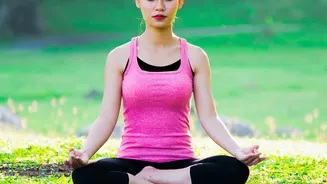
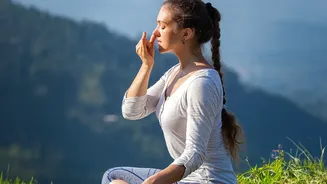
The first step in any breath-awareness practice is simply to notice your breath without trying to change it. Find a comfortable position, either sitting or lying down. Close your eyes if you feel comfortable. Bring your attention to the sensation of your breath. Feel the air move in through your nose and out through your mouth or nose. Notice the gentle rise and fall of your belly or chest. Your mind will inevitably wander—that's completely normal. When it does, gently acknowledge the thought and guide your attention back to your breath. Start with just a minute or two of this practice each day.
A Calming Classic: Diaphragmatic Breathing
Also known as 'belly breathing', this technique is a cornerstone of relaxation. To practice, lie on your back or sit comfortably. Place one hand on your upper chest and the other on your belly, just below your rib cage. As you inhale slowly through your nose, focus on letting your belly rise as your diaphragm contracts. The hand on your chest should remain relatively still. As you exhale slowly, allow your belly to fall. This method ensures you are taking deep, efficient breaths that maximize oxygen exchange and promote a state of calm.
Structured Focus: Box Breathing
When your mind feels scattered, a structured breathing pattern can provide an anchor. Box breathing, also called square breathing, is a simple and effective technique. The pattern is based on a count of four. First, inhale slowly through your nose for a count of four. Then, gently hold your breath for a count of four. Next, exhale slowly through your mouth or nose for a count of four. Finally, pause and hold your breath for another count of four before beginning the next cycle. Visualising a square as you breathe can help you maintain focus. This rhythmic practice is excellent for calming nerves before a stressful event.
The Art of the Mindful Pause
The true power of these exercises comes when you integrate them into the transitional moments of your day. This is the 'mindful pause'. Instead of rushing from one activity to another, create a small buffer. Before you start your car, after you hang up a phone call, or right after you close your laptop at the end of the day, stop. Take just three to five conscious breaths. You can use any of the techniques above. This brief interruption breaks the cycle of continuous activity and mental chatter. It allows you to reset your nervous system, check in with yourself, and move into your next activity with more intention and less stress.
Making It a Daily Habit
Consistency is more important than duration. It's better to take several one-minute breathing breaks throughout the day than to aim for a single, long session that you rarely get to. You can set reminders on your phone or use existing daily cues—like waiting for your coffee to brew or stopping at a red light—to trigger a mindful pause. The goal isn't to add another stressful 'to-do' to your list. Rather, it is to transform the small, empty moments that already exist in your day into opportunities for calm and restoration, one breath at a time.