
The Myth of the One-Hour Workout
For many, the word 'workout' conjures images of a long, gruelling session at the gym. The common belief is that if you can't dedicate a continuous block of 30 or 60 minutes, it's not worth the effort. This mindset can be a major barrier, especially in bustling
Indian cities where long commutes and demanding work hours are the norm. The good news is that a growing body of scientific research is challenging this notion. The emerging consensus is that short, intense bursts of activity spread throughout the day can be surprisingly effective for your health. This approach, often called 'exercise snacking,' is about shifting the focus from duration to consistency and quality.
What the Science Says About 'Exercise Snacks'
The term 'exercise snack' refers to brief periods of moderate-to-vigorous activity, lasting anywhere from a minute to ten minutes. Studies show these mini-workouts offer a host of benefits. Research has found that accumulating exercise in short bouts can produce similar improvements in blood pressure and cardiorespiratory fitness compared to one continuous session. For instance, three 10-minute walks spread throughout the day have been shown to be more effective at lowering blood pressure in some individuals than one 30-minute walk. These short sessions also help regulate blood sugar levels, improve insulin sensitivity, and lower cholesterol, all of which are crucial for heart health and reducing the risk of type 2 diabetes.
More Than Just Physical Benefits
The advantages of short workouts extend beyond physical health. A quick burst of activity can do wonders for your mental state. Exercise stimulates the release of endorphins, which are natural mood elevators that can reduce stress and anxiety. Even a short, brisk walk can improve focus and mental clarity, making you more productive throughout the day. Breaking up long periods of sitting with movement is also crucial for combating fatigue and boosting overall energy levels. For those who find the idea of a long workout daunting, 'exercise snacking' can be a less intimidating way to build a sustainable fitness habit.
Intensity Is the Key Ingredient
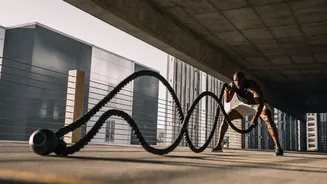
The secret to making short workouts effective is intensity. It’s not about a leisurely stroll, but about getting your heart rate up. This is the core principle of High-Intensity Interval Training (HIIT), which involves alternating between short bursts of all-out effort and brief recovery periods. Studies show that HIIT can burn 25-30% more calories than steady-state cardio of the same duration and significantly improves cardiovascular health. You don't need a gym to do it. The goal is to push yourself for a short period, whether that's running up a few flights of stairs, doing quick jumping jacks, or performing fast bodyweight squats.
Easy Ways to Start 'Snacking' on Exercise
Integrating short workouts into your day is simpler than you might think. The key is to seize small windows of opportunity. While your morning chai is brewing, do a set of 20 squats. When you take a break from your desk, walk quickly up and down a few flights of stairs instead of taking the lift. You could also set a timer every hour to do 30 seconds of jumping jacks or high knees. Even vigorous play with your children or a brisk walk to the local market counts. The goal is to accumulate these 'snacks' throughout the day, aiming for at least three to four short bursts of activity.