





The Science of the 'Dive Reflex'
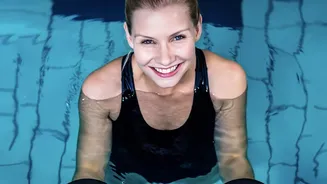
Submerging your face in cold water triggers a remarkable, involuntary survival mechanism called the mammalian dive reflex. This powerful response is hardwired into our biology and is shared with all mammals, designed to conserve oxygen when underwater.
When the cold-sensitive receptors on your face are activated, they send a signal to your brain that initiates a cascade of physiological changes. The most important of these is the stimulation of the vagus nerve, a critical component of your parasympathetic nervous system—the body's 'rest and digest' system. This stimulation causes your heart rate to slow down and blood flow to be redirected from your limbs to your vital organs, effectively pumping the brakes on a panicked 'fight or flight' response. It's a physical intervention that overrides the mental chaos of a high-stress moment.
Your Step-by-Step Guide to a Stress Reset
Harnessing this reflex is surprisingly simple and can be done almost anywhere. All you need is a bowl or a sink and cold water. 1. Prepare the Water: Fill a large bowl or your sink with cold tap water. For a more intense effect, add a few ice cubes. A temperature between 10-15°C is effective. 2. Get Ready: Tie back your hair and take a few calm, deep breaths. You'll be holding your breath for a short period. 3. Take the Plunge: Take one final deep breath, hold it, and submerge your entire face in the water, ensuring the area around your cheeks and temples is covered. 4. Hold and Calm: Keep your face submerged for 15 to 30 seconds. This duration is typically enough to trigger the reflex and its calming effects. You don't need to push past your comfort level; even a short duration is beneficial. 5. Emerge and Breathe: Lift your face from the water and gently exhale. Pat your face dry. Take a moment to notice the shift in your physical and emotional state.
When and Why to Use This Technique
This technique is not a cure for chronic anxiety, but it is an incredibly effective tool for managing acute, sudden moments of distress. Think of it as emotional first aid. It can be particularly helpful for interrupting the cycle of a building panic attack, calming sudden waves of anger or frustration, or grounding yourself when you feel overwhelmed and dissociated. The physical nature of the technique is one of its greatest strengths; it works on your body's chemistry to bring you back to a more balanced state, even when your thoughts are racing and feel out of control. By activating the parasympathetic nervous system so decisively, it helps your body feel safe, which in turn signals to your brain that the immediate threat has passed.
Beyond the Plunge: Other Benefits
While the immediate stress-reduction is the primary benefit, regular practice may offer other wellness advantages. The stimulation of the vagus nerve is linked to a wide range of regulatory functions in the body. Some research suggests that controlled cold exposure can help reduce inflammation, regulate mood by influencing neurotransmitters like dopamine and norepinephrine, and even improve your overall resilience to stress over time. From a cosmetic perspective, many find that a cold water facial reduces puffiness, tightens the appearance of pores, and increases blood circulation, leaving skin with a healthy glow. However, the most powerful and immediate effect remains its ability to serve as a potent, on-demand tool for emotional regulation.
Important Safety Considerations
While generally safe, this technique involves a sudden shock to the system. Individuals with pre-existing heart conditions, blood pressure issues, or other cardiovascular concerns should consult a doctor before trying it, as the rapid change in heart rate could pose a risk. Similarly, those with very sensitive skin or conditions like rosacea should be cautious, as the extreme cold can cause irritation. It's important to start slowly. You can begin with less frigid water and shorter immersion times to see how your body responds. Remember, the goal is to calm your system, not to endure a painful experience. This is a technique to help manage acute symptoms, not a replacement for professional mental health care for chronic anxiety, depression, or other conditions.